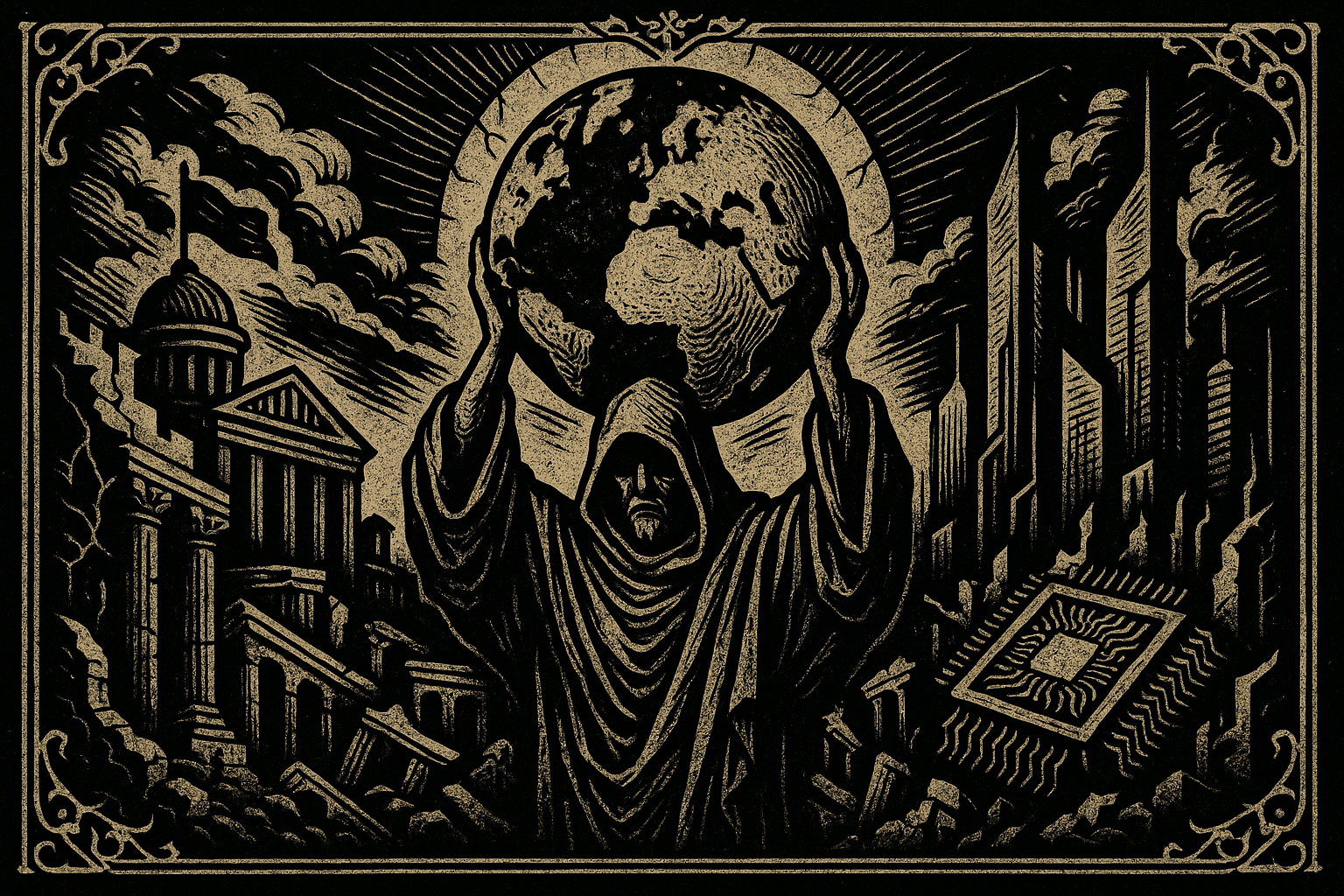
From Dollar Hegemony to Post-Global Order: Structural Fault Lines and Pathways of Renewal
This article analyzes the structural paradox of U.S. Treasury debt: why the claim that “America never has to repay” is both semantically true and systemically dangerous. Unlike other sovereign borrowers constrained by hard credit ceilings, the U.S. leverages dollar hegemony to perpetually roll over debt. Yet this privilege creates a self-destructive cycle—if trust in the dollar fractures, the collapse would not be a normal debt crisis but the unraveling of the global financial order itself.
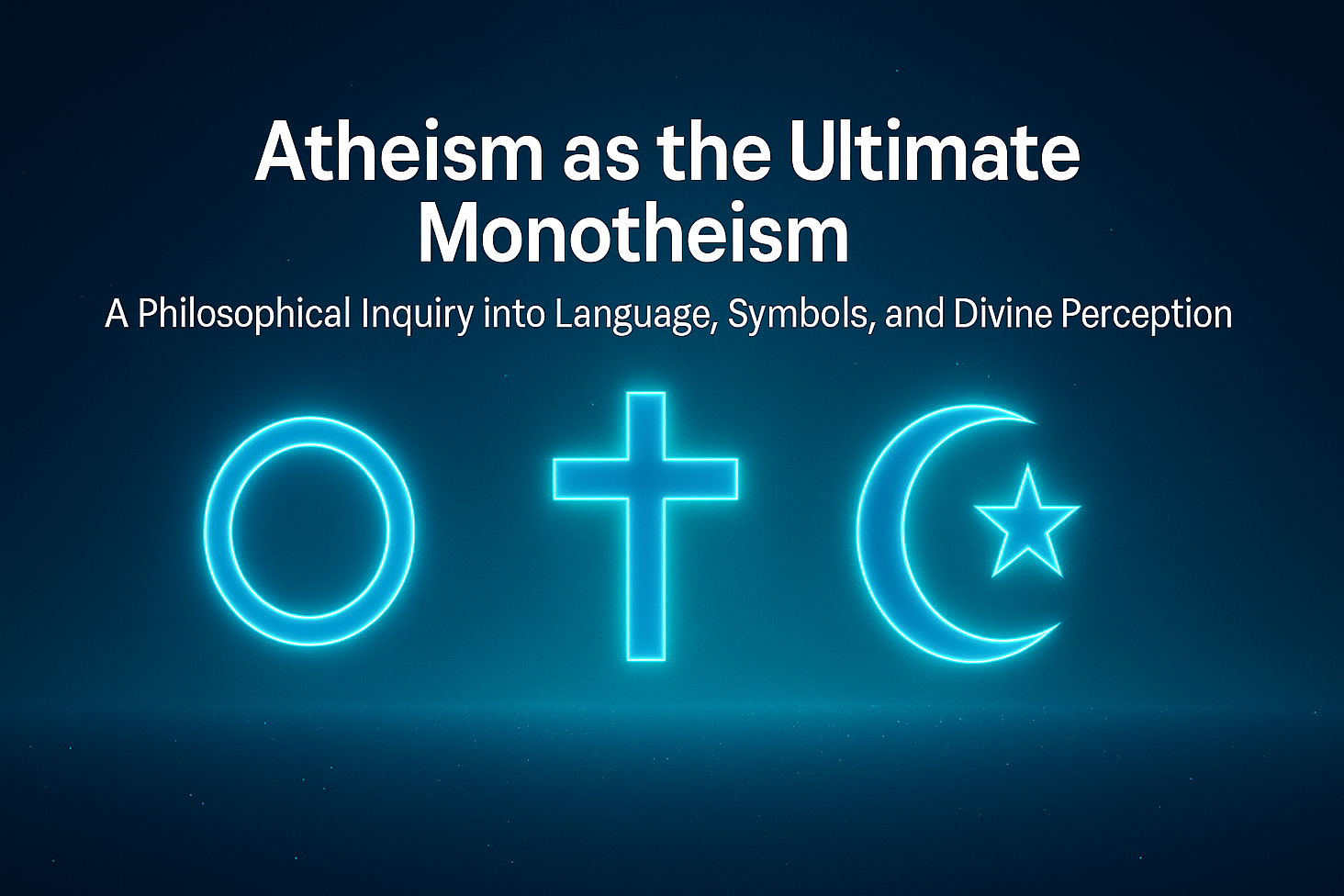
Atheism as the Ultimate Monotheism: A Philosophical Inquiry into Language, Symbols, and Divine Perception
In a recent philosophical salon discussing Stoicism, a speaker offered a provocative reinterpretation of Socrates’ trial: the philosopher was not challenging the gods themselves, but rather the politicians who wielded divine authority as a tool of control. This distinction illuminates a fundamental tension that persists today — between authentic spiritual experience and its institutional appropriation.
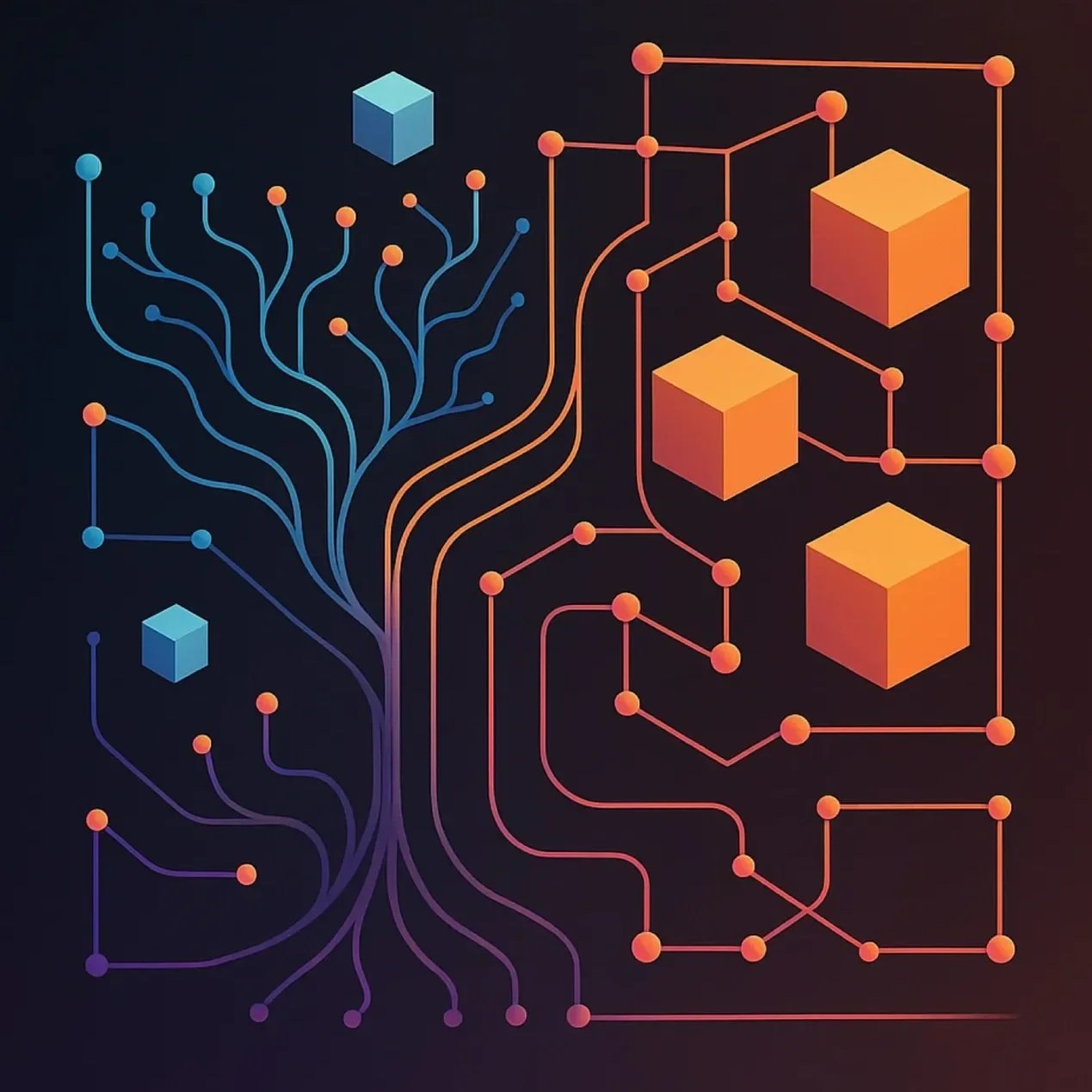
The Paradox of Artificial Scarcity: What AI Tokenomics Teaches Us About Digital Abundance
When algorithms can serve millions simultaneously, why do we still ration intelligence?

Ideological Absolutism and the Paradox of Freedom: How Universalist Systems Destroy Genuine Liberty
This essay examines how both communist universalism and democratic evangelism function as forms of ideological absolutism that paradoxically destroy the freedom they claim to promote. Drawing on philosophical analysis from Berlin, Popper, Mill, and Arendt, alongside historical evidence and contemporary case studies, it demonstrates that genuine freedom requires ideological pluralism rather than universal conformity. The analysis reveals that organic social evolution consistently outperforms imposed ideological frameworks, while hybrid systems achieve superior outcomes compared to pure implementations. The essay concludes that the path to human flourishing lies not in ideological triumph but in maintaining permanent contestation of ideas.

意识形态绝对主义与自由悖论:普世体系如何摧毁真正的自由
本文探讨了共产主义普世论和民主福音主义如何作为意识形态绝对主义的形式,悖论性地摧毁了它们声称要促进的自由。通过援引伯林、波普尔、密尔和阿伦特的哲学批判,结合对失败的意识形态实验和成功的混合体系的历史分析,本文论证了真正的自由需要意识形态多元主义而非普遍遵从。分析表明,有机社会演化始终优于强加的意识形态框架,而当代混合经济相比纯粹的资本主义或社会主义实现了更优越的成果。本文揭示了马克思历史唯物主义和西方民主推广如何作为世俗宗教运作,消除了人类繁荣所必需的思想多样性。前进之路不在于在竞争的普世主义之间做出选择,而在于维持允许多种世界观通过永久的思想竞争共存的制度安排。
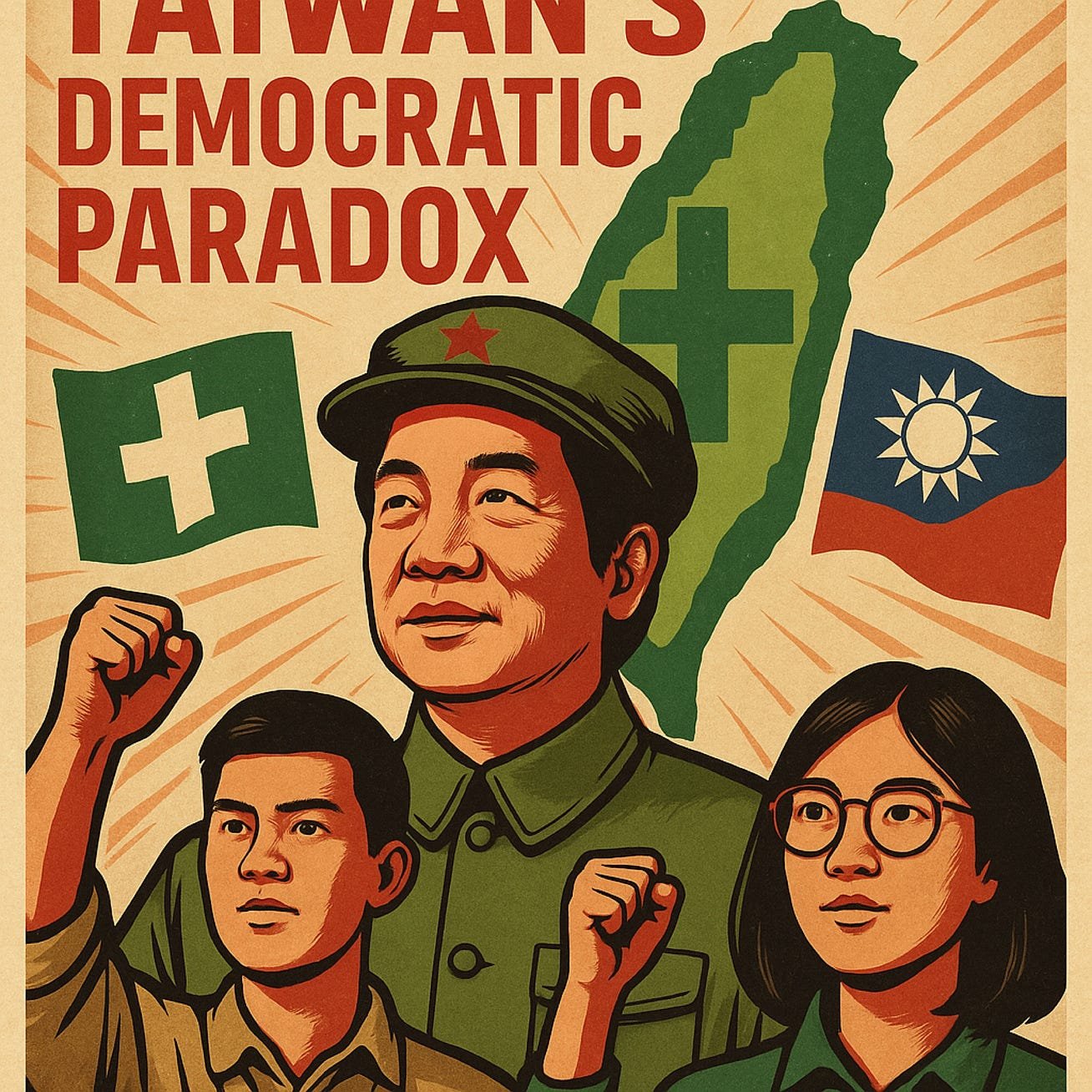
Taiwan’s Democratic Paradox: How Democratic Tools Became Weapons Against Democracy
Taiwan's experience serves as both warning and opportunity - warning about the sophisticated ways democracy can be undermined from within, and opportunity to develop more robust defensive mechanisms before democratic institutions are irreversibly compromised. The stakes could not be higher: democracy's survival may depend on recognizing and countering its own potential for self-destruction.