SchoolOf|思故
2017
SchoolOf|思故
The origin of creativity|用最原始的技能創造新意
School|思
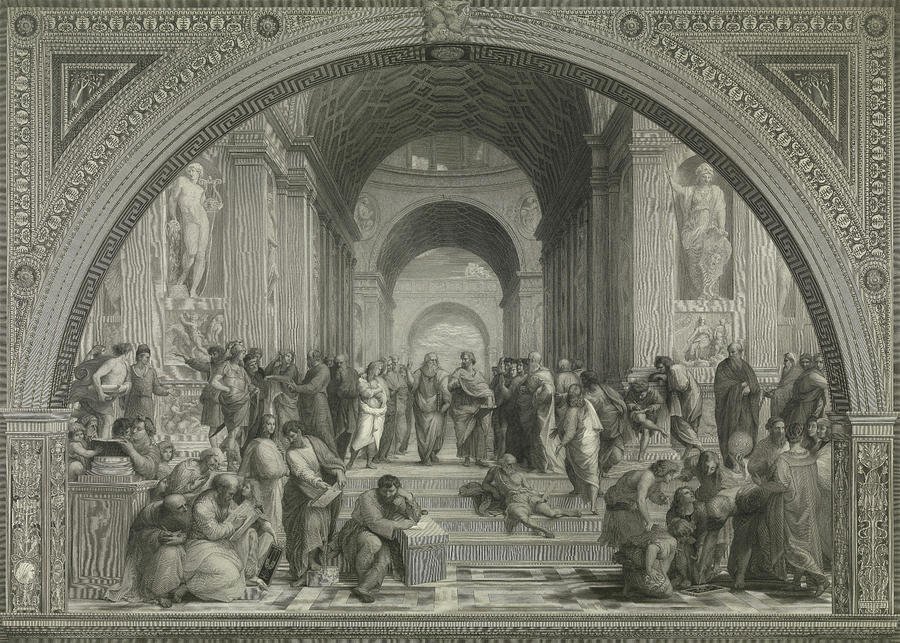
School Of Athens|雅典學院
西方哲學的起源
Think

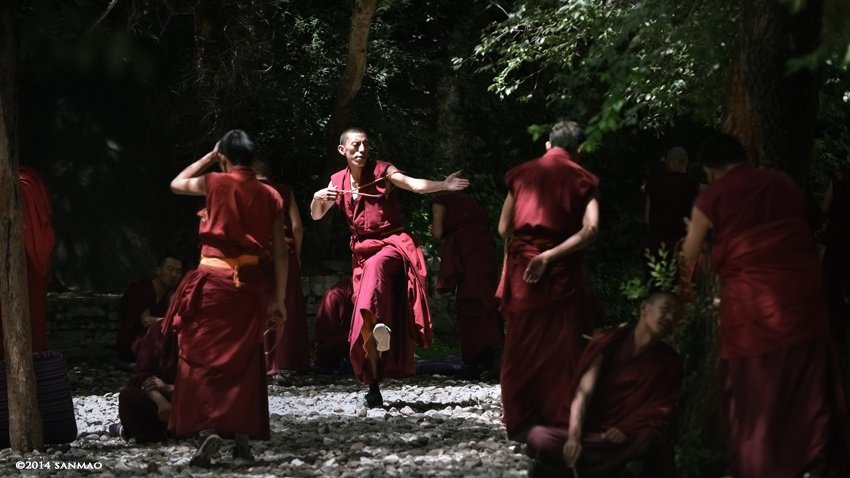
Debate|རྩོད་པ་|辯經
藏傳佛教研學佛法的思考之術EnlightenOrigin|故
Tao Te Ching|易經
東方哲學的起源
Nature
SchoolOf|思故
Change the way of learning|全新教學方式在製作中創新The origin of creativity is designing by makingSchoolOf
Listen — SchoolOf|聆聽 3:23
Today's fashion education, influenced by globalization, has lost the integrity it once had during the industrial era. Post the millennium, the global fashion manufacturing industry has largely completed its shift towards developing countries in the East. With the decline of manufacturing in developed countries, creative courses have gradually replaced technical and industrial manufacturing programs. Many manufacturing techniques that evolved from craftsmanship to the era of industrialization in the last century are gradually fading away.
The SchoolOf project aims to collect and organize traditional craftsmanship from the industrial era and explore their application in the industrialized age. Since 2010, many fashion institutes have developed courses researching fabric craftsmanship and structures. However, these courses lack practicality in integrating industrial mass production techniques. Some institutes have started from different material structures, attempting to develop bio-based biodegradable materials to replace existing non-environmentally friendly materials. We believe these approaches cannot address the issues of product surplus, slowing demand, and manufacturing excess that the future of fashion faces.
There are many methods to effectively express creativity, achieve accurate realization, and generate economic benefits. However, the only way to avoid homogenous products and inefficient competition through repetitive processes is through innovative thinking, combining traditional crafting practices with digital technology effectively.
Interestingly, in ancient times, both in the East and West, humans learned through questioning and seeking answers. Whether it was Socrates in Greece, Laozi in the East, or the tradition of dialectical debate in Tibetan Buddhism, the approach was similar. In pre-World War II Europe, the Bauhaus movement's influence continues to impact the development of modernity in architecture, product design, and graphic design today. Generations of fashion designer have also been part of this evolution.
In the digital age, envision a Fashion Bauhaus. It could be a digital museum of fashion craftsmanship, a post-graduate digital museum of business, market, and research technologies for designers. It could even be part of the #CycSatellites project accelerator.
Welcome to SchoolOf, where the purpose of education transcends the conventional pursuit of merely finding a job. In a world where graduation often necessitates securing employment for livelihood, SchoolOf challenges the traditional notion that expensive and unaffordable tuition guarantees a high-paying job or even a job at all.
Reflecting on the roots of Western civilization, we find inspiration in the philosophy of Socrates, who believed that the exchange of knowledge should not be driven by financial motives. In his time, the noble old philosopher may not have faced the challenges of rent, but as the commodity economy developed, the right to education became a universal aspiration. Has the modern purpose of education deviated from its original intention? Even if we are skeptical about education altering destinies, there remains a hope that it imparts irreplaceable skills.
Ancient Eastern philosophy, as articulated by Confucius, emphasized the role of teachers as those who "deliver sermons, teach skills, and solve problems" (師者:傳道,授業,解惑者也-孔子). Does contemporary fashion education align with this philosophy? Does it equip us with the skills to be effective problem solvers in the complex landscape of today?
At SchoolOf, we question the prevailing patterns of fashion education and explore the historical context of how fashion has served globalization. Join us on a journey that transcends traditional education paradigms, seeking not only to impart knowledge but to cultivate problem-solving skills and empower individuals to navigate the challenges of the modern world.
今日的時尚教育,在全球化的影響下已經失去了工業化時代的完整性。千禧年之後,全球時尚製造業基本完成了向東方發展中國家轉移,隨著發達國家製造業的凋零,創意課程逐漸取代了技術和工業製造課程。很多上世紀從手工業演進到機器工業化時代的製造業技術漸漸凋零。
思故項目旨在收集和整理受工業製造時代的一些傳統技藝在工業化時代的運用方式。2010年以來,很多時尚學院開發了對於面料工藝及結構進行調研的課程,但該類課程缺乏結合工業化量產技術的實用性。另有很多學院從不同材質的結構出發,試圖研發生物基的可降解材料取代現有非環保材質的使用,我們認為這些都不能解決未來時尚所面臨的產品過剩,需求減緩和製造過剩的問題。能讓創意有效表達並準確實現並產生經濟效益的方法有很多。但避免同質化產品,雷同工藝製作的低效競爭的唯一選擇,就是通過開創性思維,結合傳統製作工藝實踐和數字技術的有效結合。
很有趣的是在人類遠古時代,無論是東方還是西方,人類都是通過提問和尋找答案的方式來進行學習,無論是希臘的蘇格拉底還是東方的老子,甚至藏傳佛教裡也有辯靜靜的傳統。兩戰之前的歐洲,包浩斯的影響直至今日影響了建築,產品和平面設計現代性的發展。一代代的時尚設計師也參與其中。
在數字時代,想像一下一座時尚包浩斯,它可以是一座時尚工藝的數字博物館,也可以是一座設計師畢業後的商業,市場和研發技術的數字博物館,它甚至可以是「再生設計站」項目的加速器的一部分。
歡迎來到思故,這裡的教育目標超越了傳統的尋找工作的觀念。 在一個畢業後常常需要找到工作維持生計的世界裡,思故挑戰了傳統觀念,即昂貴且負擔不起的學費能夠確保高薪工作,甚至能夠保證找到工作。
回顧西方文明的根源,我們從蘇格拉底的哲學中獲得啟發,他認為知識的交流不應受到金錢的驅動。 在他的時代,這位貴族老哲學家可能不必為租金而擔憂,但隨著商品經濟的發展,接受教育的權利成為一種普遍的願望。 現代教育的目的是否偏離了最初的意圖? 即使我們對教育改變人們命運的可能性持懷疑態度,仍然希望它能傳授不可取代的技能。
古代東方哲學,如孔子所言,強調了教育者的角色,即那些「傳道、授業、解惑」的人。 當代時尚教育是否符合此哲學? 它是否賦予我們在當今複雜環境中成為有效問題解決者的技能?
在思故,我們質疑現有約定俗成的時尚教育模式,探索時尚如何服務全球化的歷史背景。 加入我們,踏上一場超越傳統教育典範的旅程,我們不僅追求傳授知識,更致力於培養解決問題的技能,賦予個體在現代世界中應對挑戰的能力。
SchoolOf|思故
SchoolOf|思故