Lamobility|駭客任務
2019
When Design Thinking Meets Social Responsibility
Listen — Lamobility|聆聽 3:03
Her exploration of the intersection between technology and fashion has never ceased, and this exploration led her to volunteer in an entirely new domain—accessible technology design. When the Steam Hackability Workshop, jointly organized by NYU Shanghai and Shanghai Pudong Disabled Persons' Federation, was announced, she didn't hesitate to sign up, ready to channel her design thinking into a more challenging and meaningful mission.
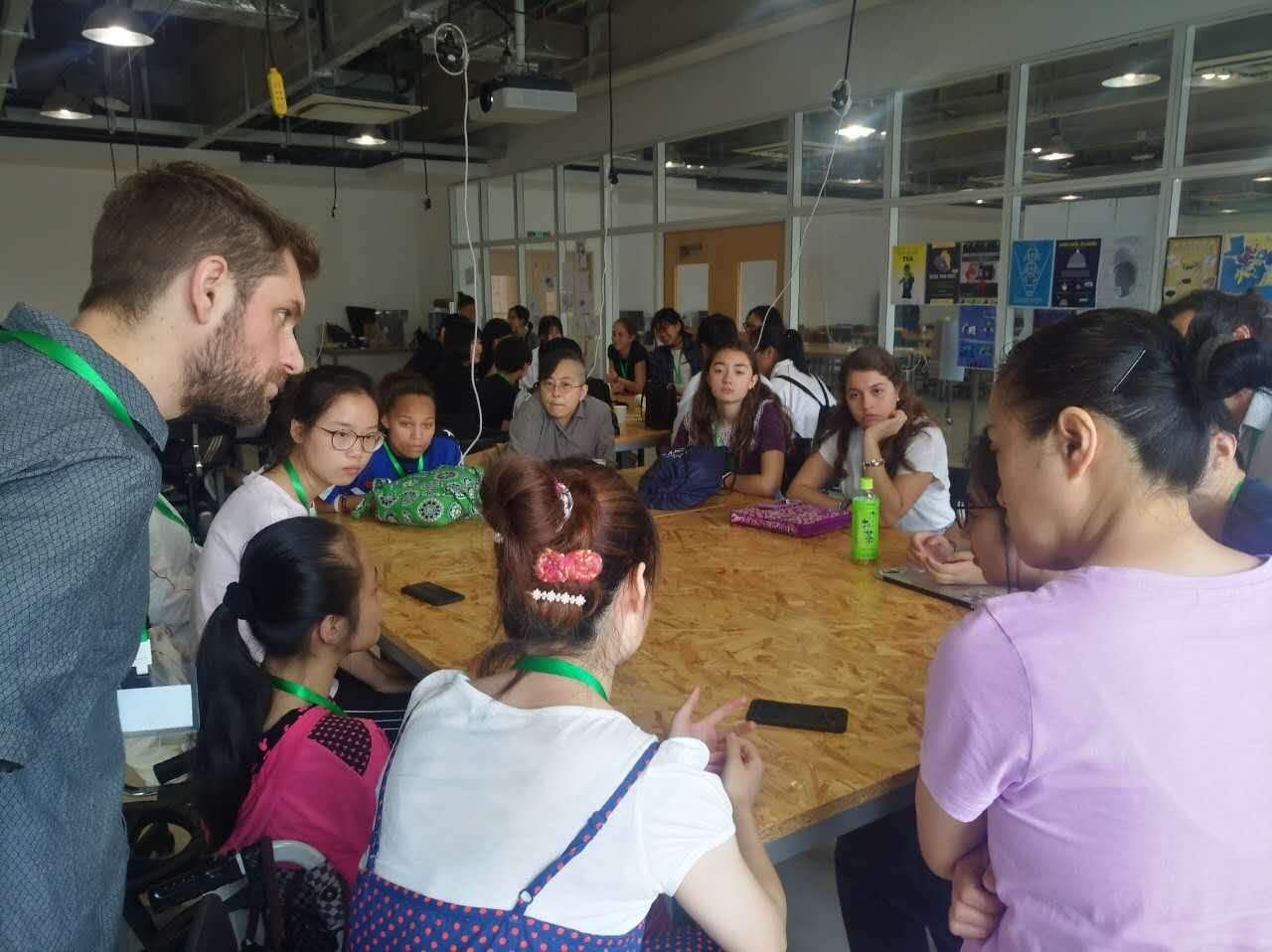
This was a cross-cultural collaborative project bringing together Chinese and American students, designers, and AI algorithm engineers, all united by a common goal: designing and creating truly implementable intelligent assistive devices for individuals with severe disabilities. Here, she was no longer just serving the fashion industry, but using the power of design to illuminate hope in the lives of those who needed it most.
Finding Infinite Possibilities Within Constraints
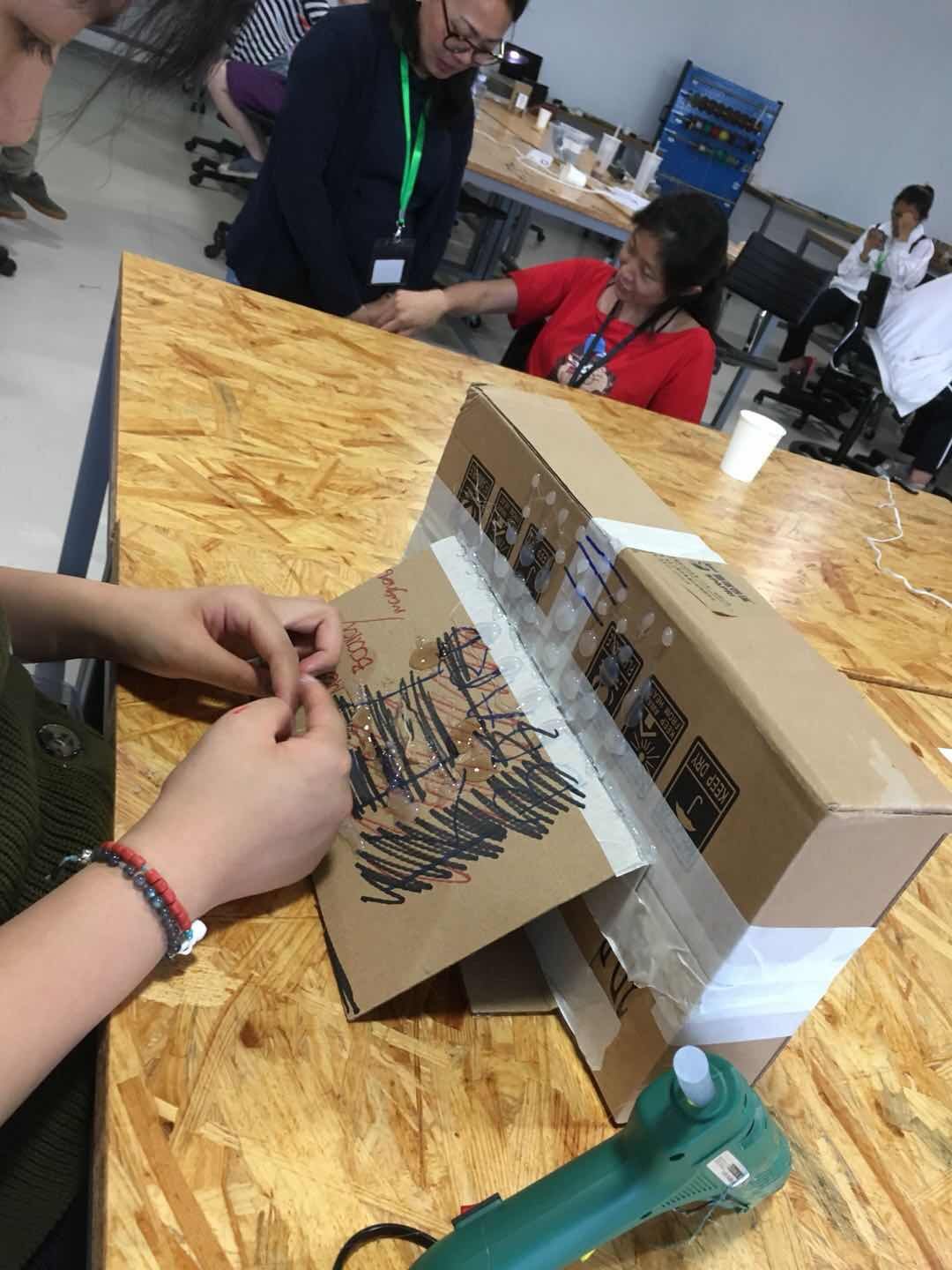
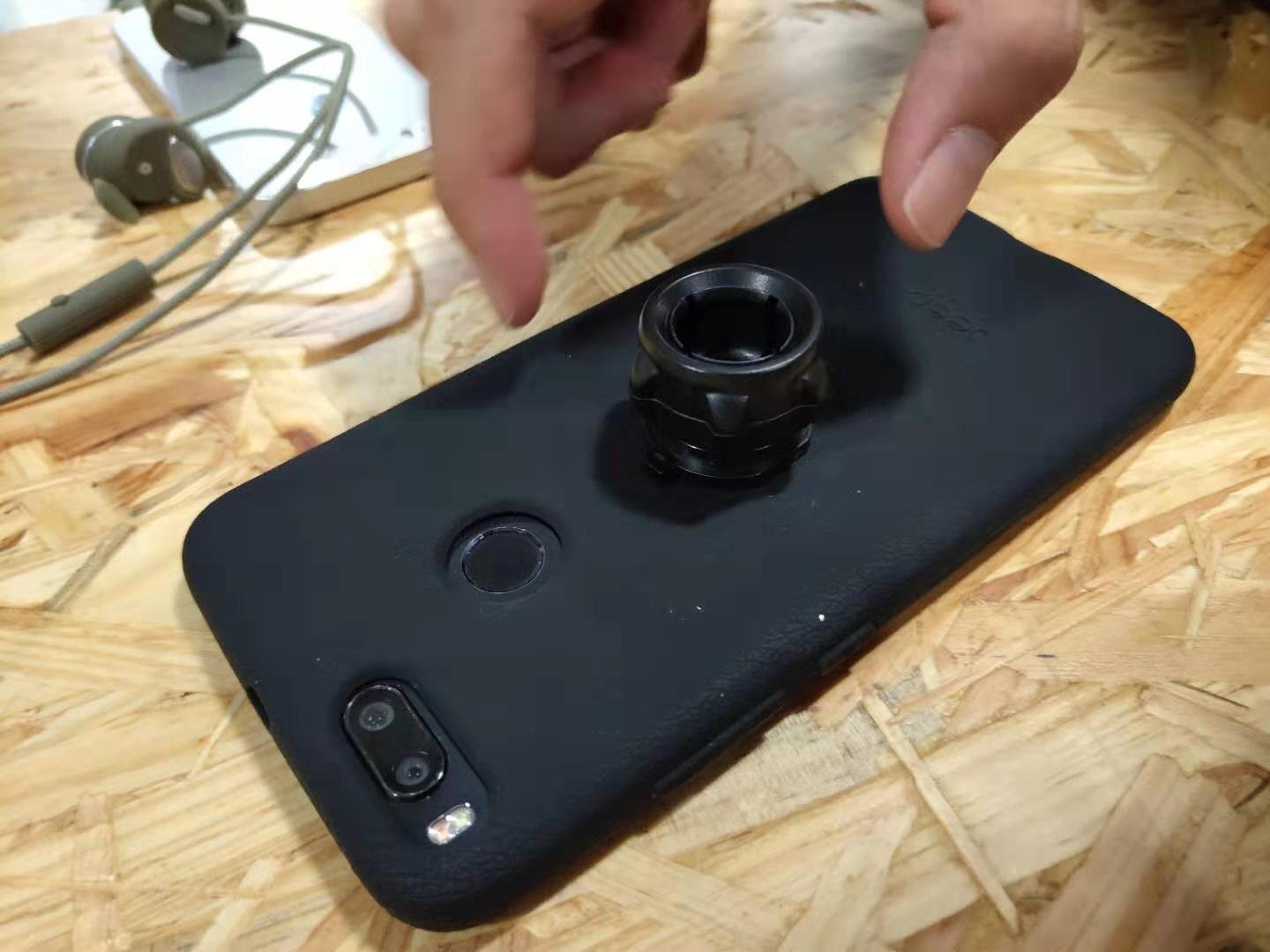
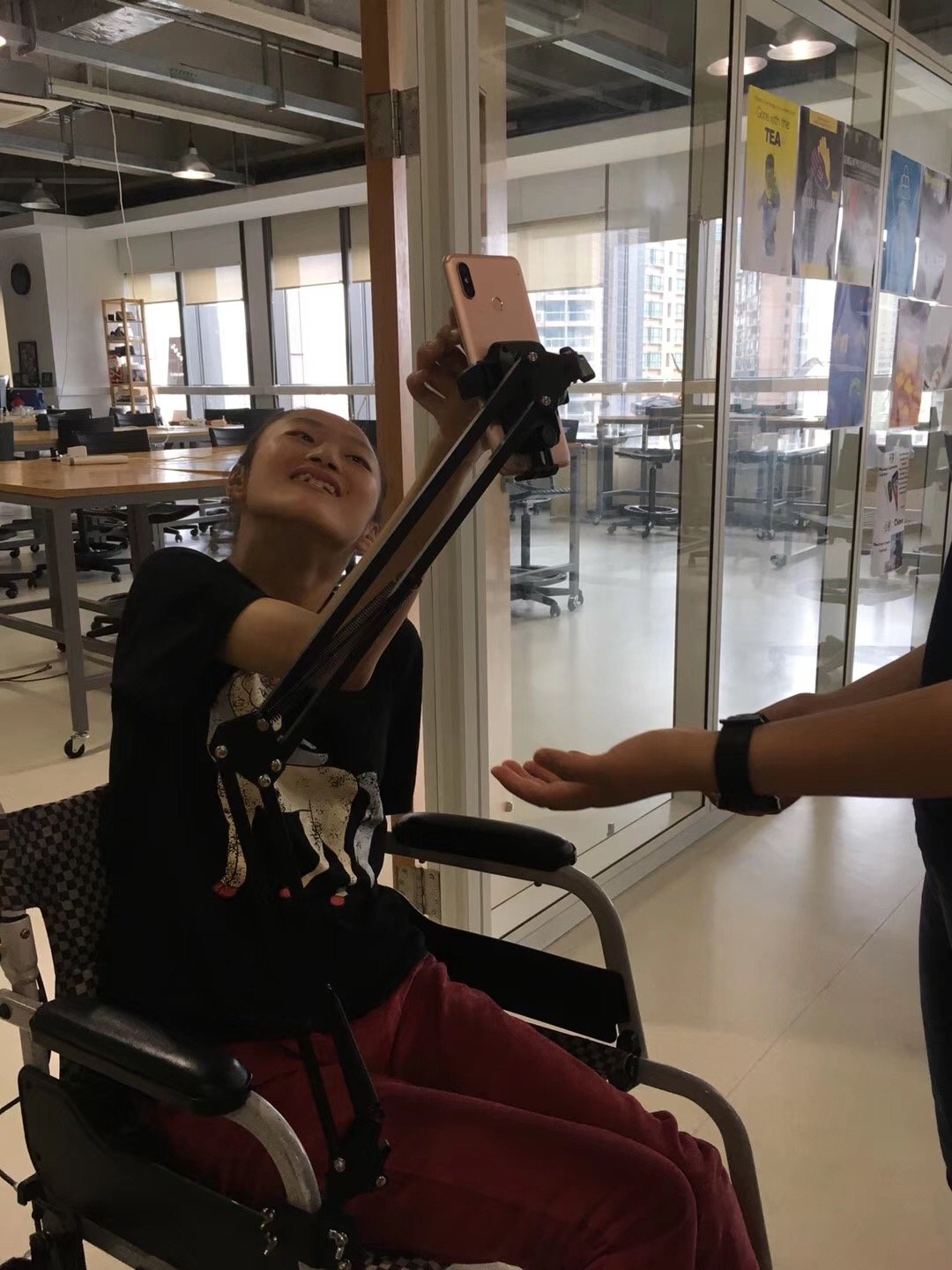
During the intensive two-week workshop, she and her team faced the challenge of designing a mobile phone selfie stabilization and controllable device for users with severe physical disabilities, one that could seamlessly integrate with wheelchair equipment. Behind this seemingly simple requirement lay complex technical challenges and profound humanitarian considerations.
She deeply understood that for users with mobility limitations, every minute improvement in operational convenience could mean a tremendous enhancement in life autonomy. Taking selfies, an action that seems ordinary, could be a crucial way for them to express themselves and connect with the world.
The Design Miracle of Cross-Disciplinary Collaboration
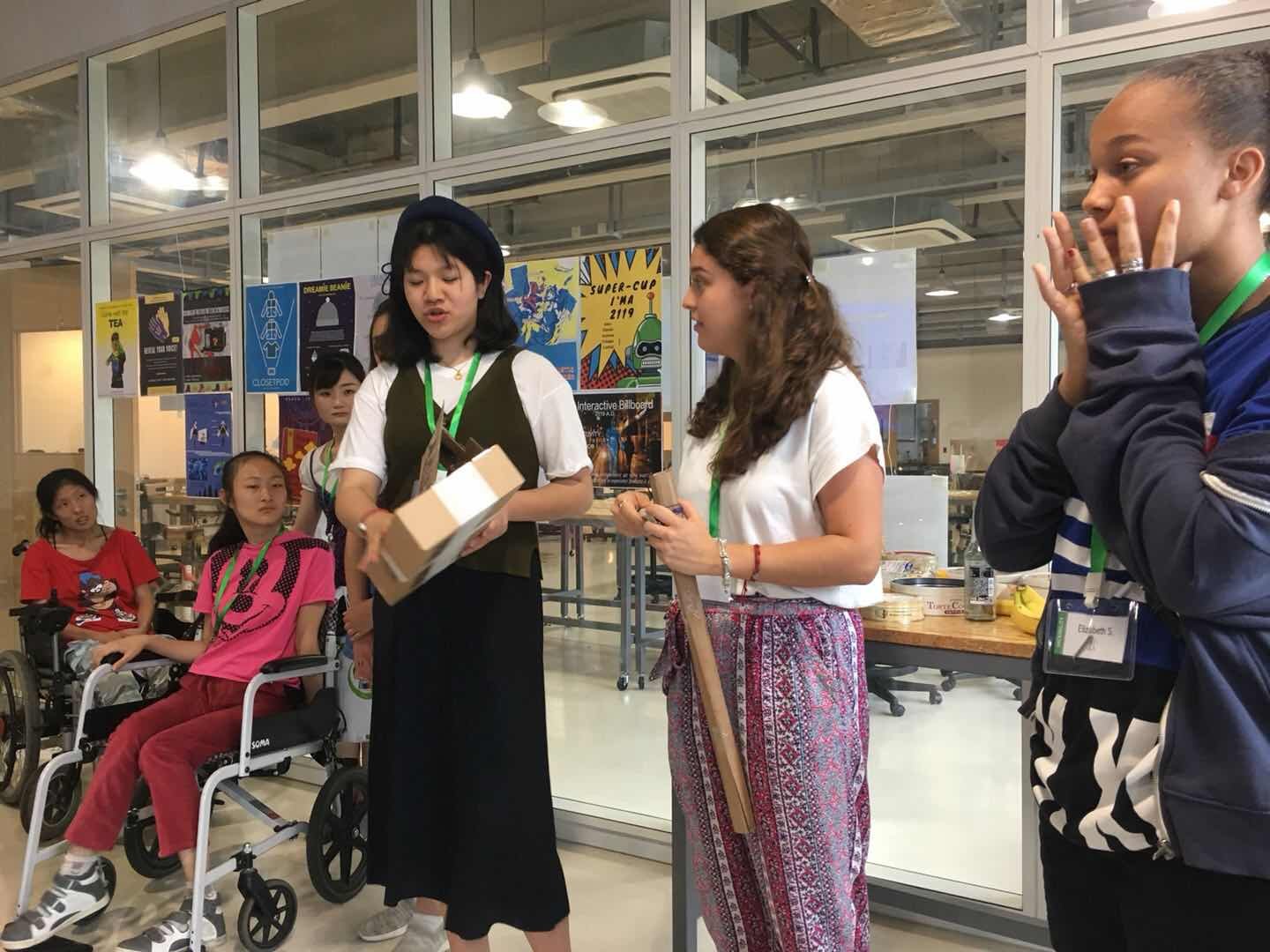
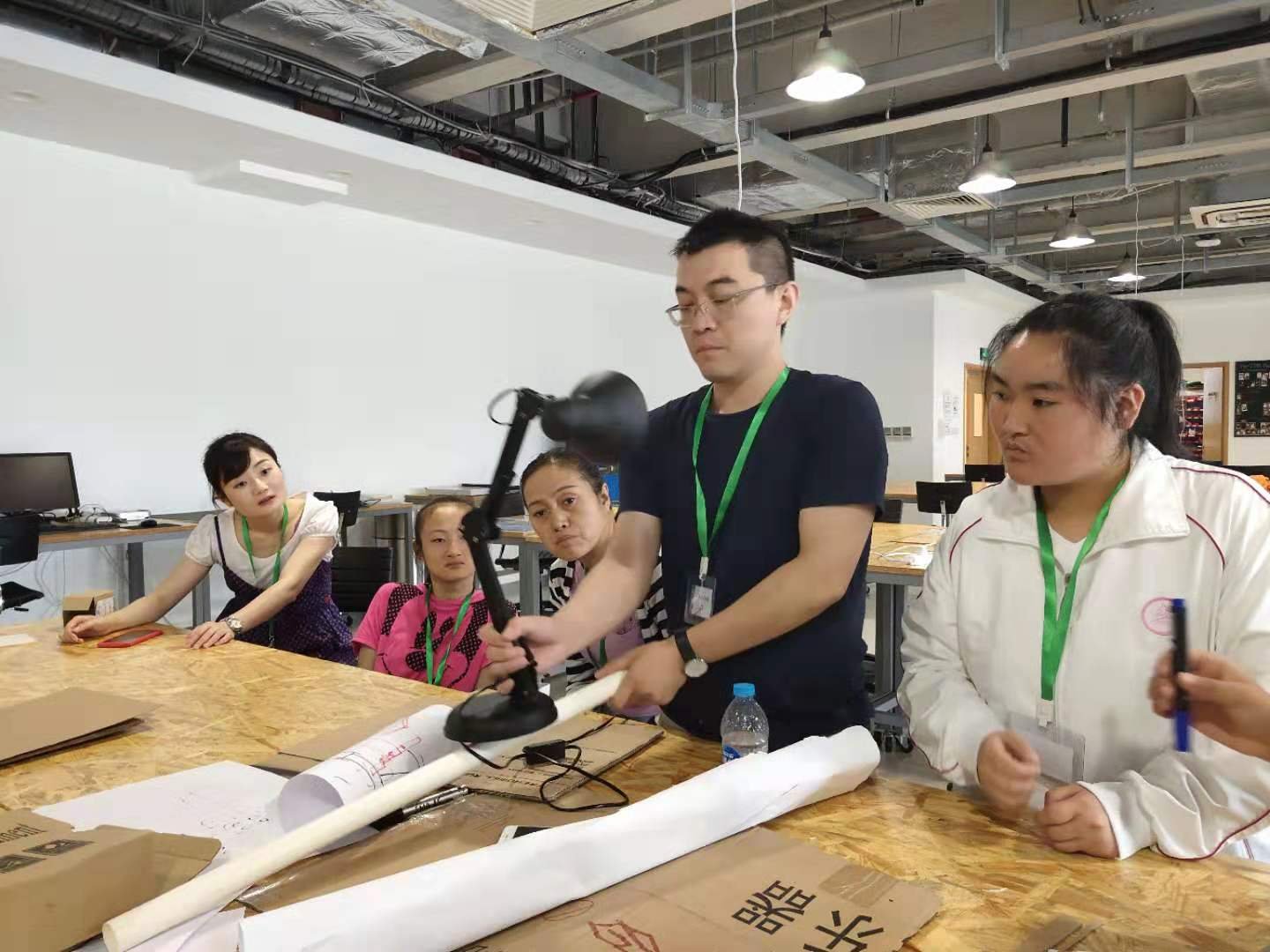
This collaborative STEAM project gathered innovative forces from diverse backgrounds: the American high school student delegation brought youthful creative thinking, NYU Shanghai professors provided academic guidance, local students from Shanghai technical institutions contributed solid technical foundations, while community volunteers like herself injected practical experience and design insights.
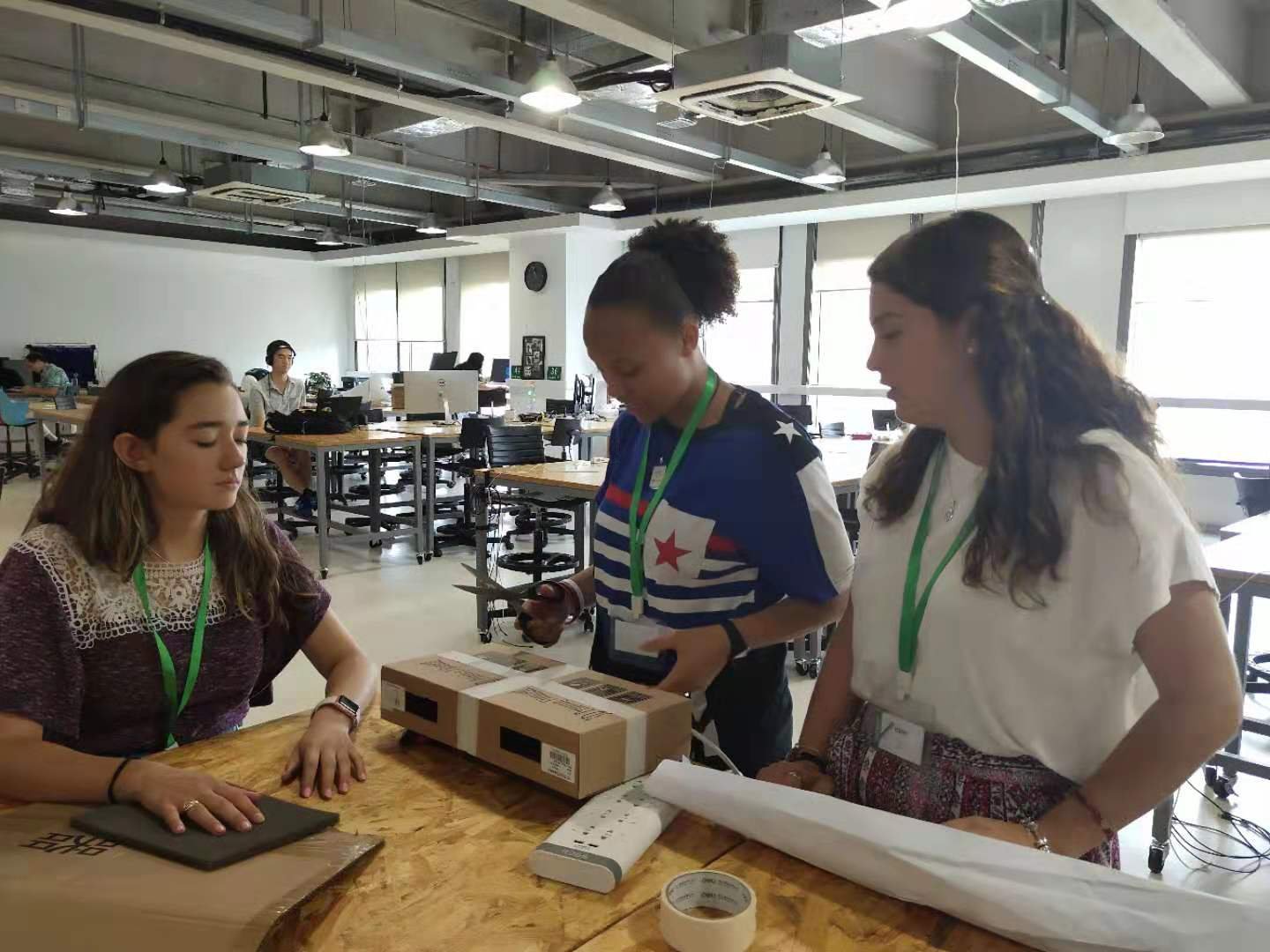
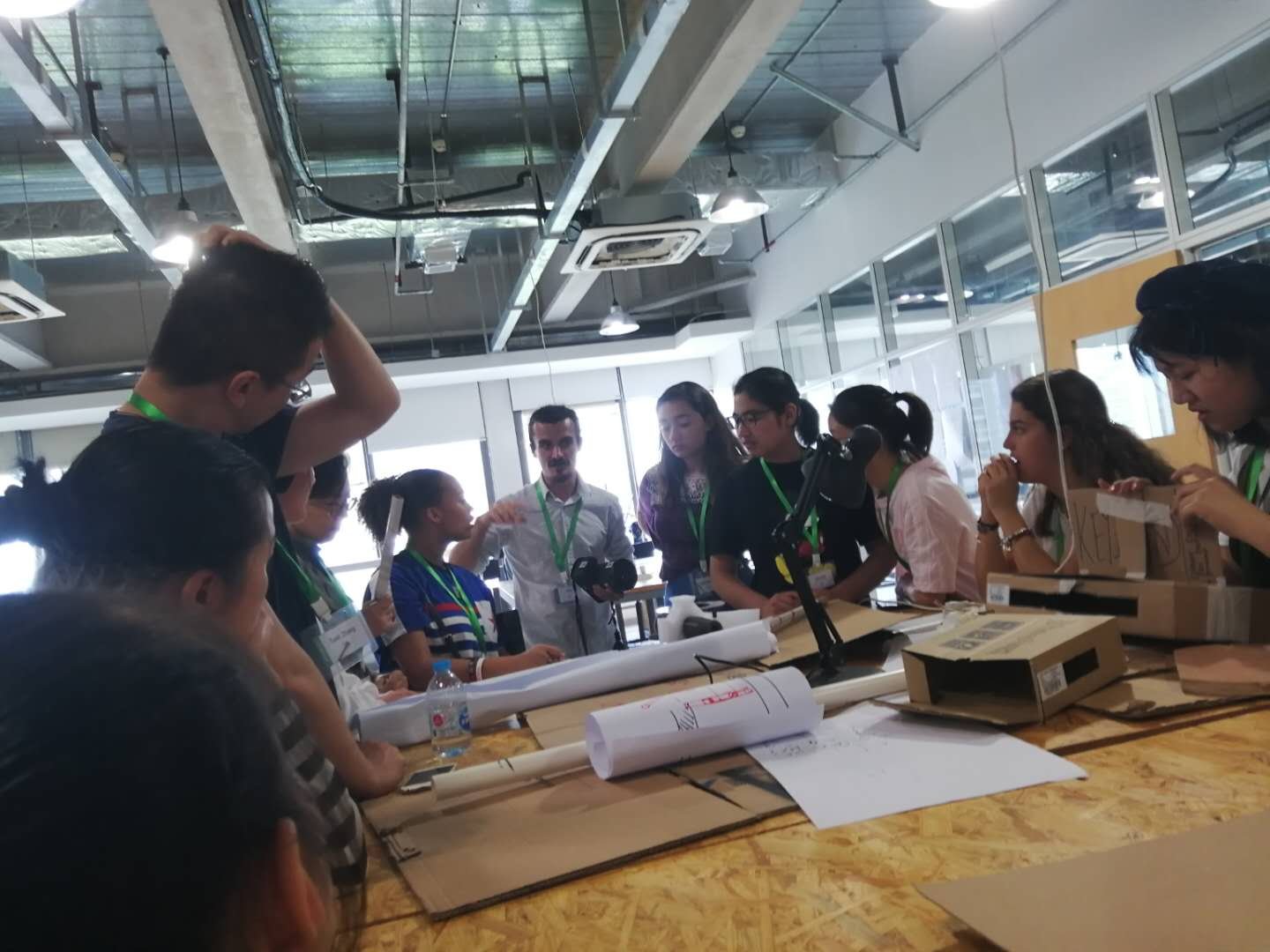
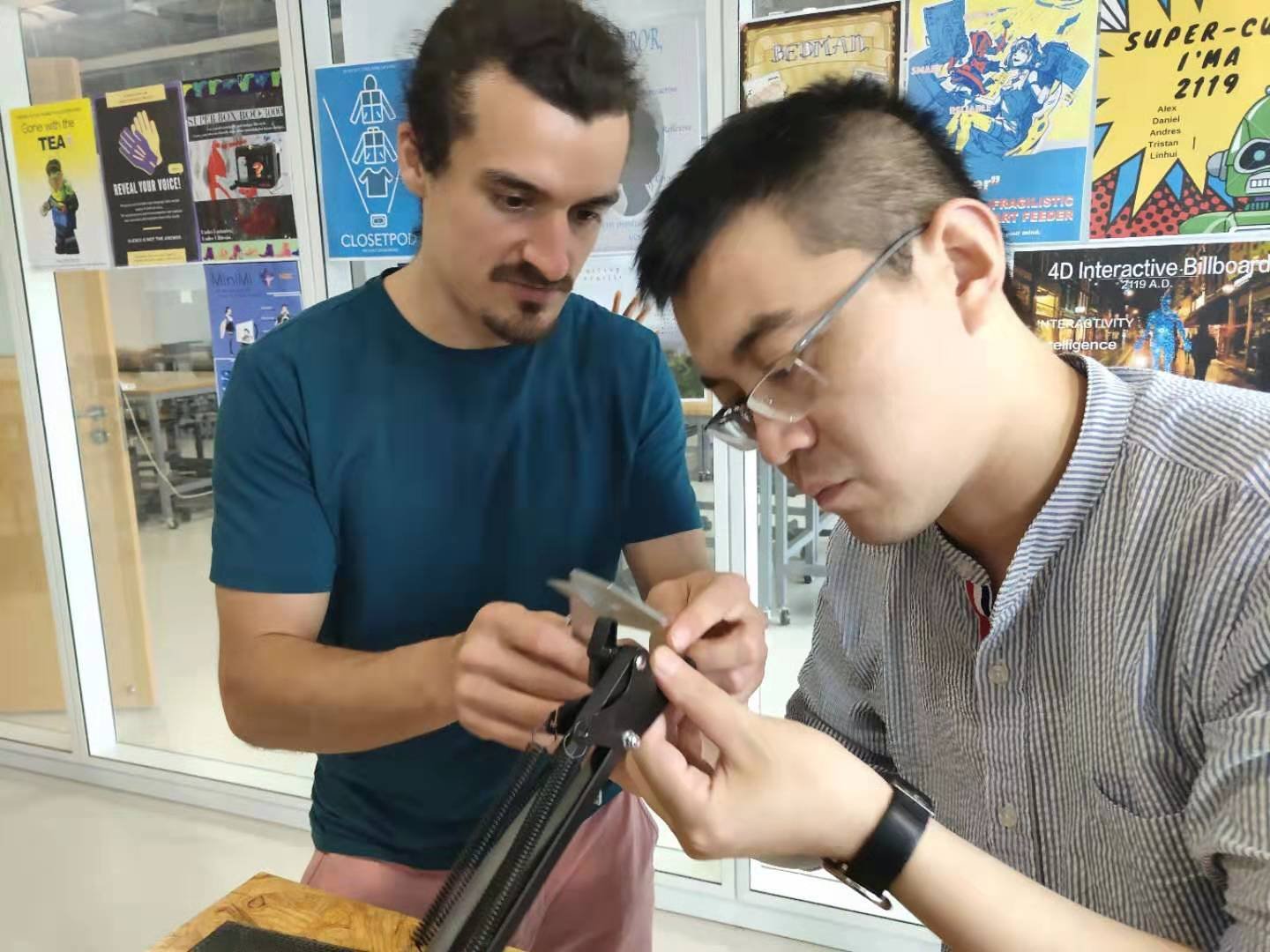
Through the sophisticated application and integration of digital automation control and product design technologies, participants worked hand in hand during the three-week design and development process. Each workshop day was a collision of ideas, and every prototype iteration carried deep consideration of user experience.
The ultimate goal was not merely to create a technical prototype, but to develop a viable solution—a product that could genuinely improve the quality of life for individuals facing severe disabilities.
The Warmth of Design and the Power of Technology
This experience gave her profound insight: truly meaningful design must possess not only aesthetic value and commercial viability, but also warmth, emotion, and deep care for humanity. When she saw the final prototype enable users to easily take selfies, the sense of achievement far surpassed any commercial project success.
The Lomobility project became an important complement to her design philosophy—technology should be humanized, design should be inclusive, and innovation should have warmth. This cross-disciplinary experience also infused her later HarmonAIze project with deeper humanistic care.
科技與人性的溫暖交匯
當設計思維遇見社會責任
她對於科技與時尚結合的探索從未止步,這種探索讓她以志願者的身份踏入了一個全新的領域——無障礙科技設計。當紐約大學上海分校與上海市浦東殘聯共同舉辦 Steam Hackability 工作坊 的消息傳來時,她毫不猶豫地報名參加,準備將她的設計思維投入到一個更具挑戰性和意義的使命中。
這是一個匯聚了中美學生、設計師及人工智能算法工程師的跨文化協作項目,所有參與者都有一個共同的目標:為重度殘障人士設計製作真正可落地的智能輔助設備。在這裡,她不再只是為時尚產業服務,而是要用設計的力量為那些最需要幫助的人們點亮生活的希望。
在限制中尋找無限可能
在近兩週的高強度工作坊中,她和團隊面臨的挑戰是為重度肢體障礙用戶設計一個手機自拍穩定和可操控的控制設備,並且要能夠完美結合輪椅設備使用。這看似簡單的需求背後,隱藏著複雜的技術挑戰和深度的人性關懷需求。
她深深理解,對於行動不便的使用者來說,每一個細微的操作便利性改進,都可能意味著生活自主性的巨大提升。自拍,這個看似平常的動作,對於他們而言卻可能是表達自我、連接世界的重要方式。
跨界協作的設計奇蹟
這個collaborative STEAM項目匯聚了來自不同背景的創新力量:美國高中學生代表團帶來了年輕的創意思維,NYU上海的教授們提供了學術指導,上海技術院校的本地學生貢獻了紮實的技術基礎,而像她這樣的社區志願者則注入了實踐經驗和設計洞察。
通過數字自動化控制和產品設計技術的精妙應用與整合,參與者們在為期三週的設計和開發過程中攜手努力。每一天的workshop都是一次思想的碰撞,每一次原型的迭代都承載著對用戶體驗的深度思考。
最終目標不僅僅是製作一個技術原型,而是要創造一個切實可行的解決方案——一個能夠真正提高面臨嚴重殘疾的個體生活質量的產品。
設計的溫度與科技的力量
這次經歷讓她深深感受到,真正有意義的設計不僅要具備美學價值和商業可行性,更要有溫度、有情感、有對人性的深度關懷。當她看到最終的原型能夠幫助使用者輕鬆完成自拍動作時,那種成就感遠超過任何商業項目的成功。
Lomobility項目成為了她設計哲學的重要補充——科技應該是人性化的,設計應該是包容性的,創新應該是有溫度的。這種跨界的經歷也為她後來的HarmonAIze項目注入了更深層的人文關懷精神。