What I can do _ Design
Shoes & Accessories
Studio P.I.|ProjectComingOut
Studio P.I.
Shoes & accessories: completing the collection
Listen — Shoes & Accessories|聆聽 3:50
The accessories began with a practical need: the team could not easily find pieces on the market that matched the character of its clothing. Designing their own shoes, bags, hats and smaller objects gave them a way to complete a look and extend the collection’s visual language.
From training to a complete look
During her studies in France, she worked on a leather-shoe design project and made handbag prototypes. After returning to China, she also helped a dance company develop a ballet-shoe collection, working on patterns for the prototypes. These experiences became a starting point for the accessories she later developed with her own brand.
Her family’s background in performance, together with an interest in theatrical dress and costume styling, influenced the way she approached a complete outfit. Accessories could change its silhouette, gesture and mood. Her experience with luxury brands also made her attentive to their commercial role: while a fashion collection built the brand’s image, an accessory could offer a more accessible purchase and support sales and cash flow.
Making within the workshop’s capabilities
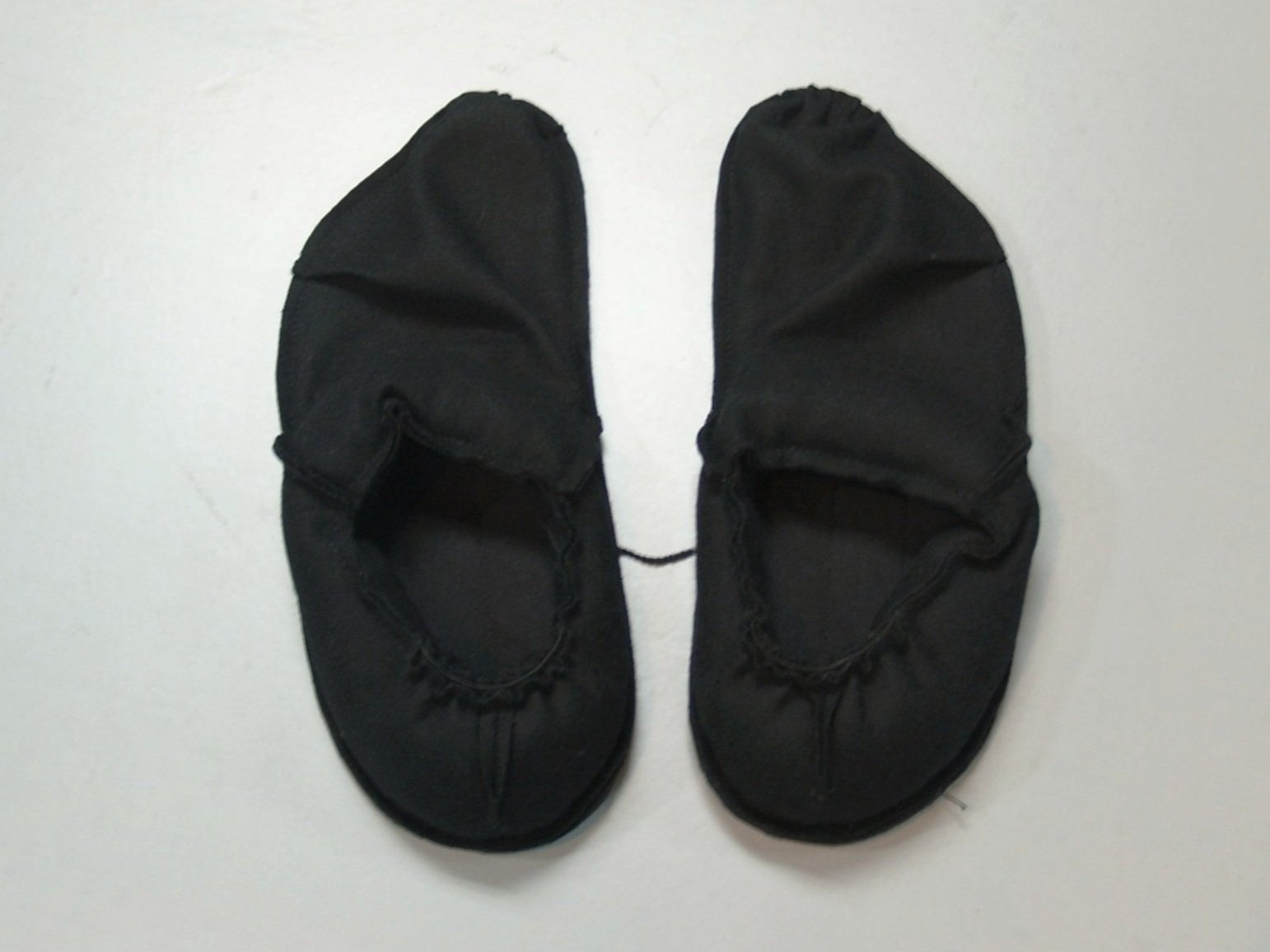
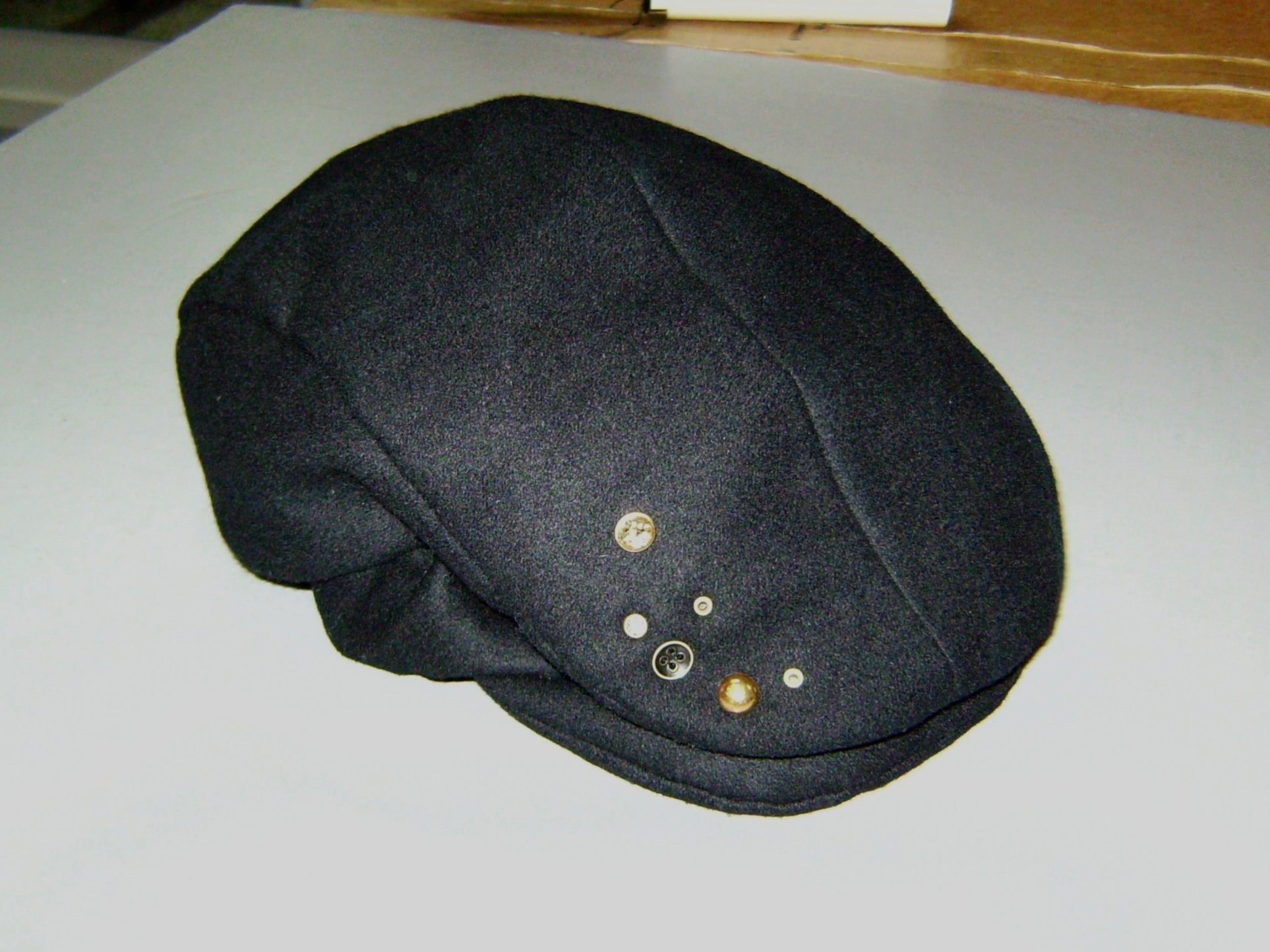
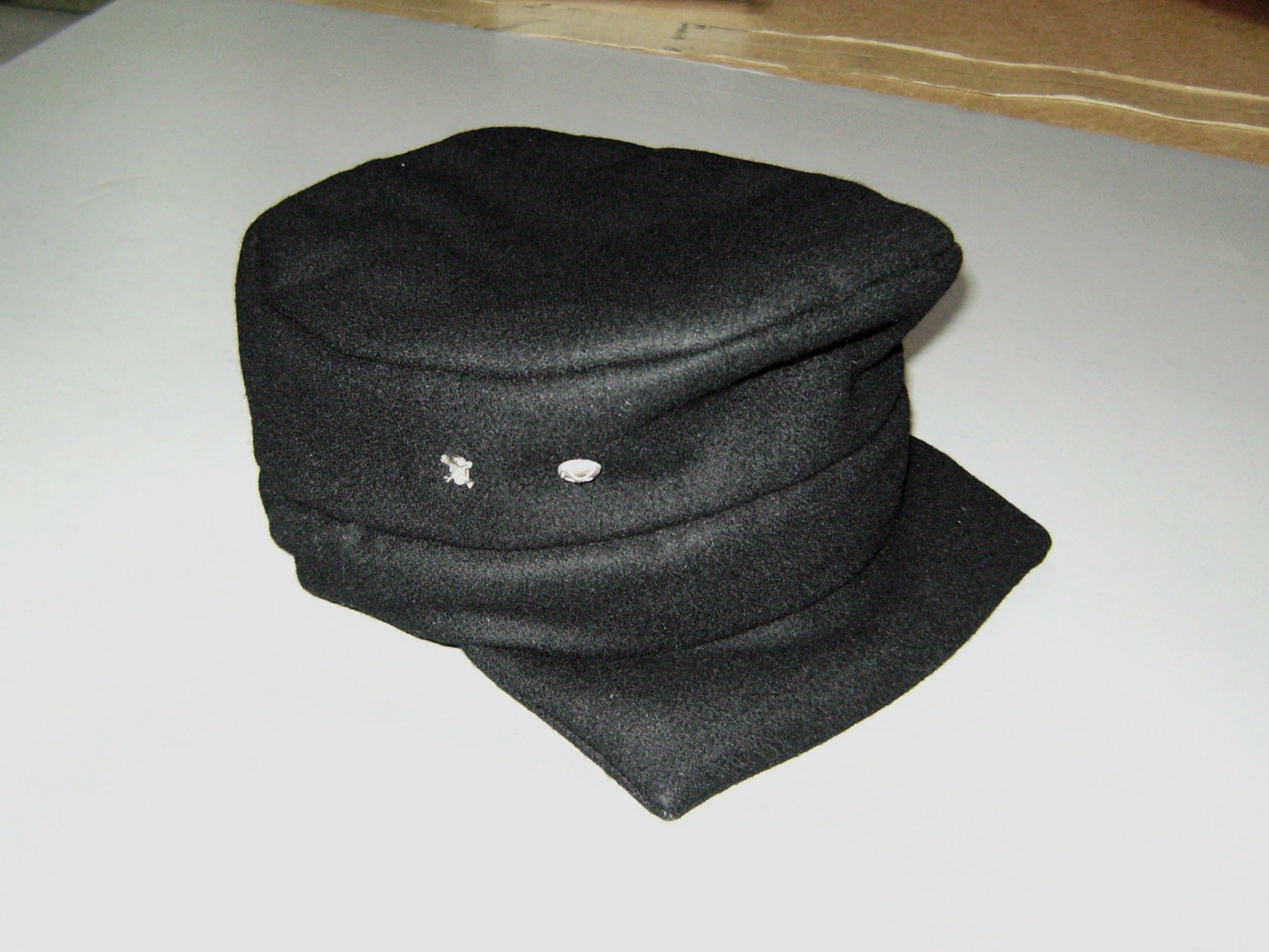
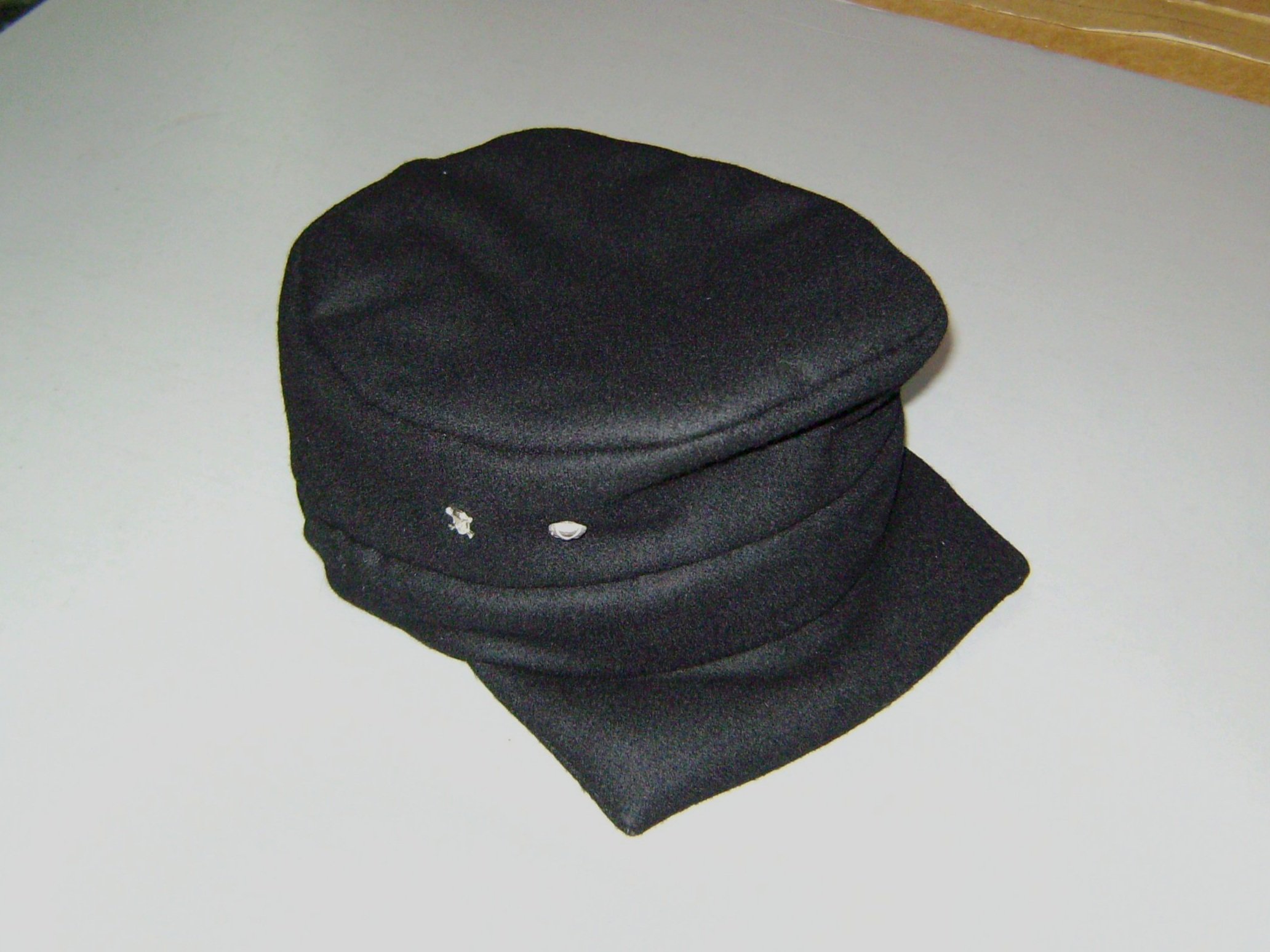
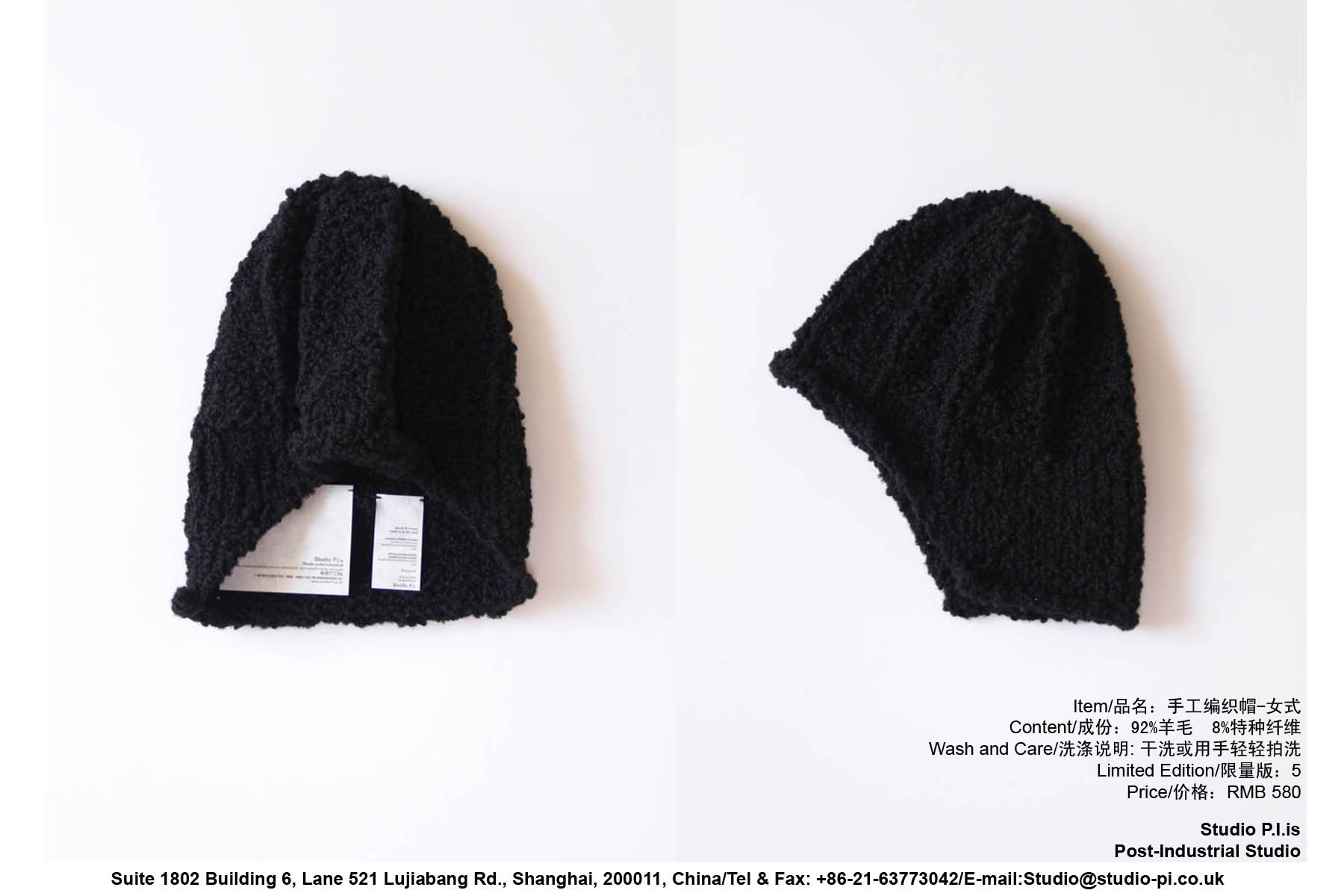
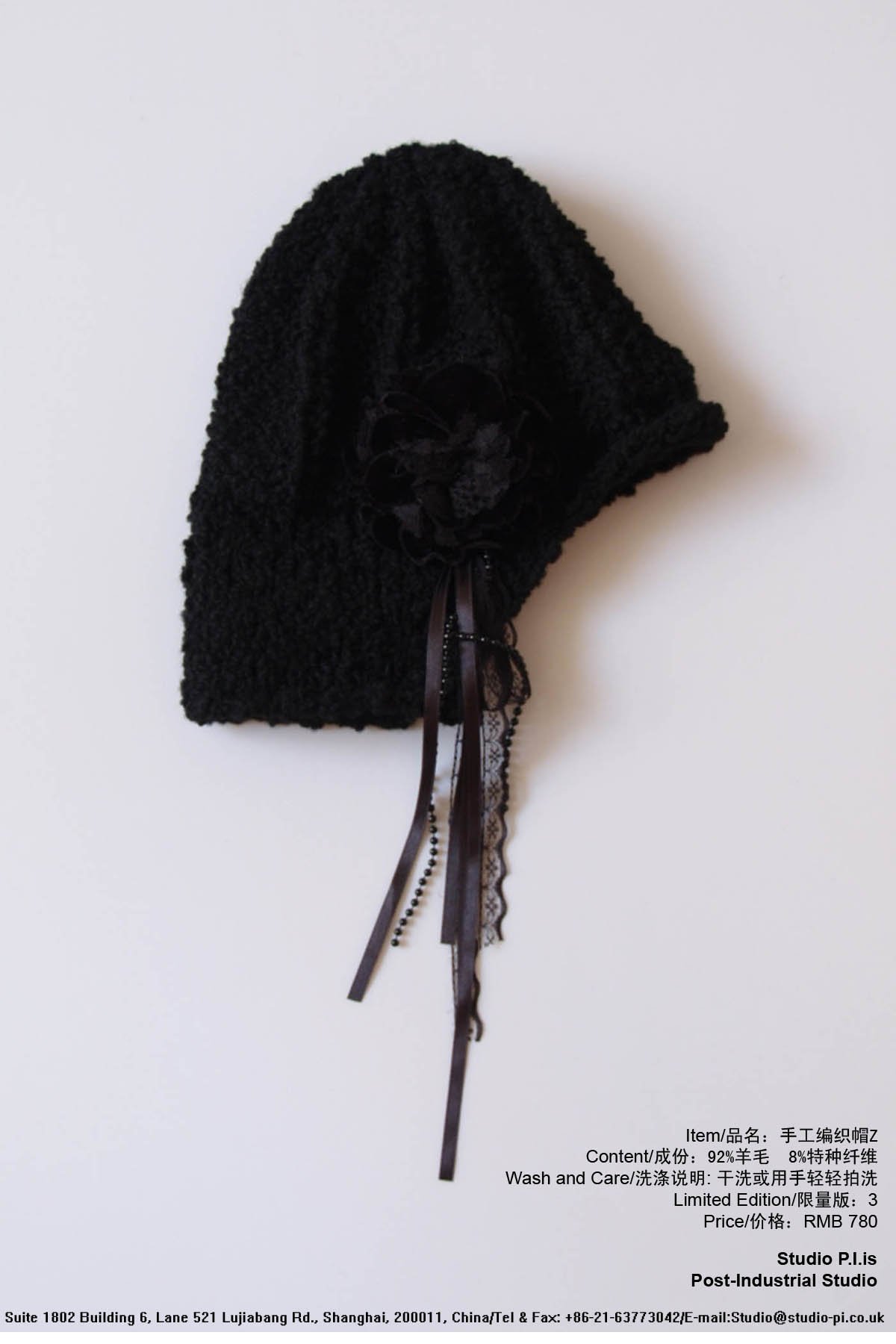
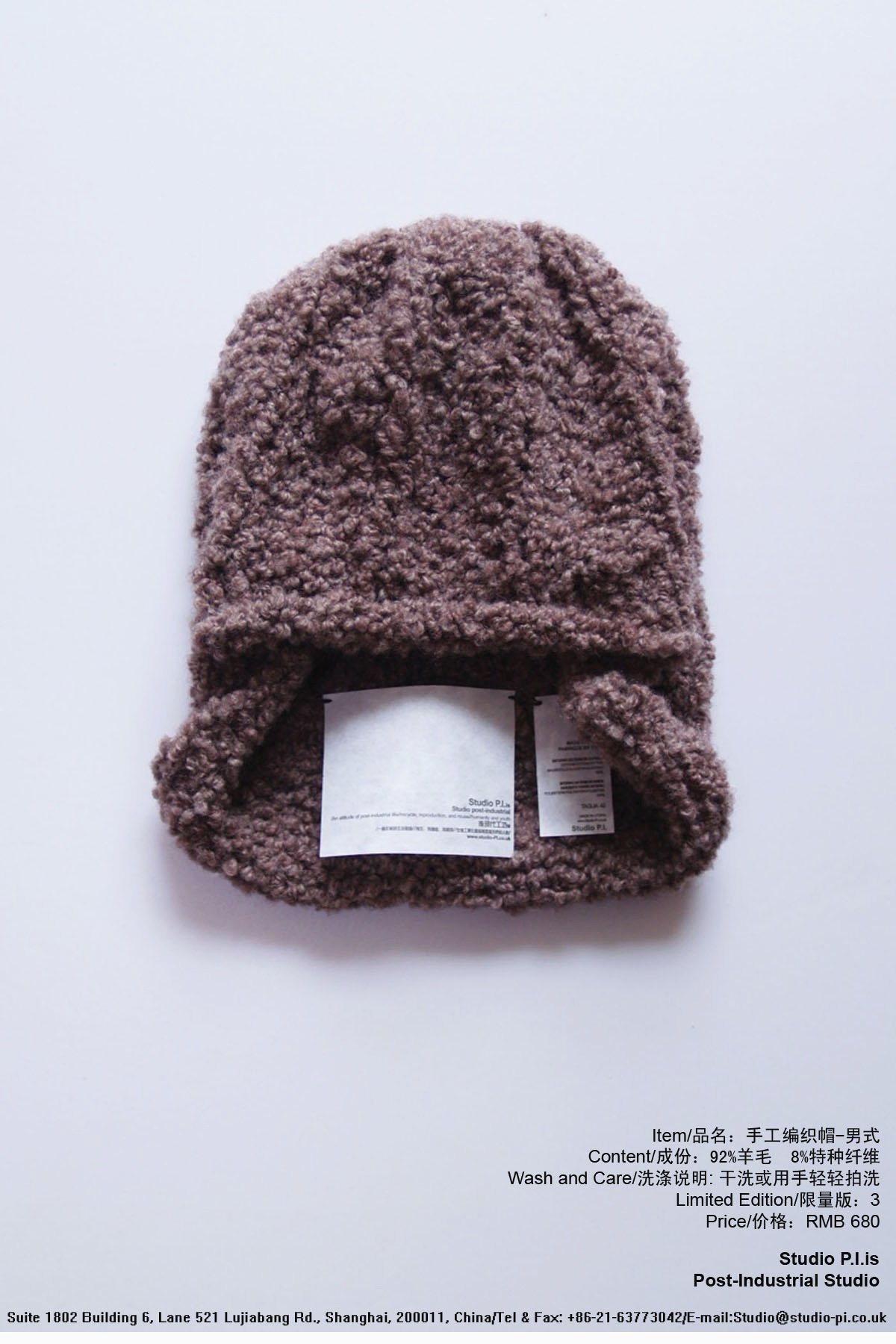
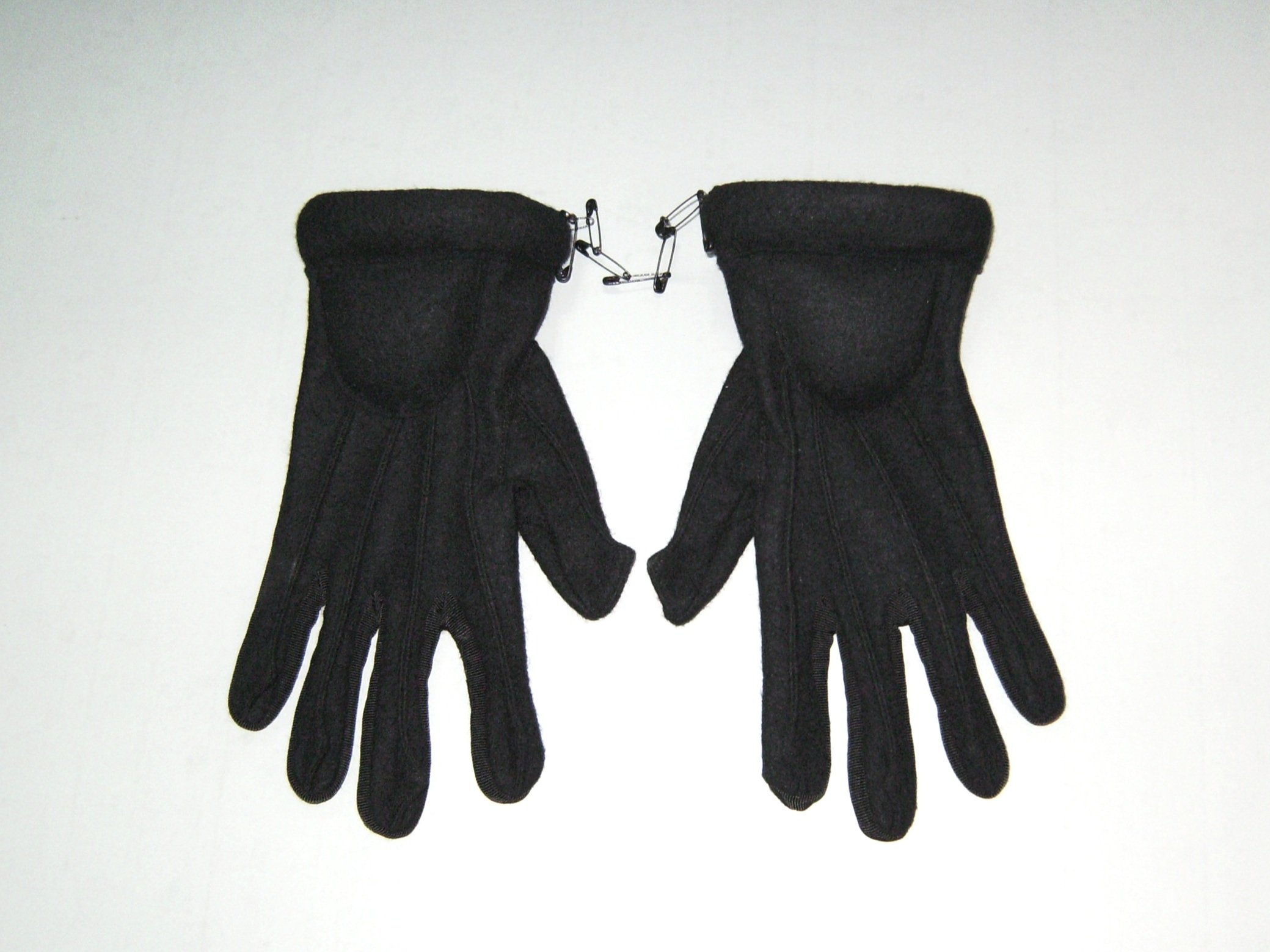
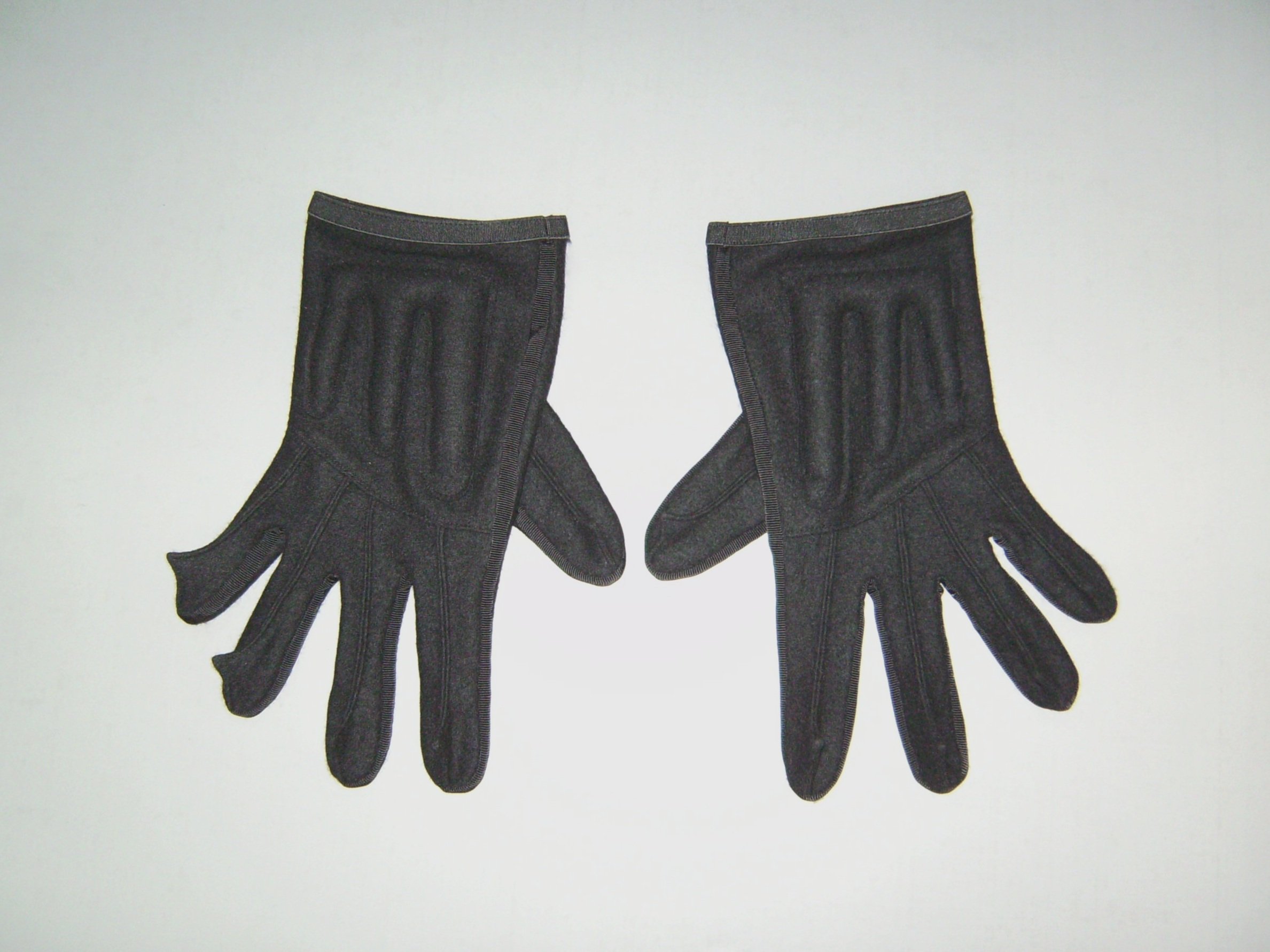
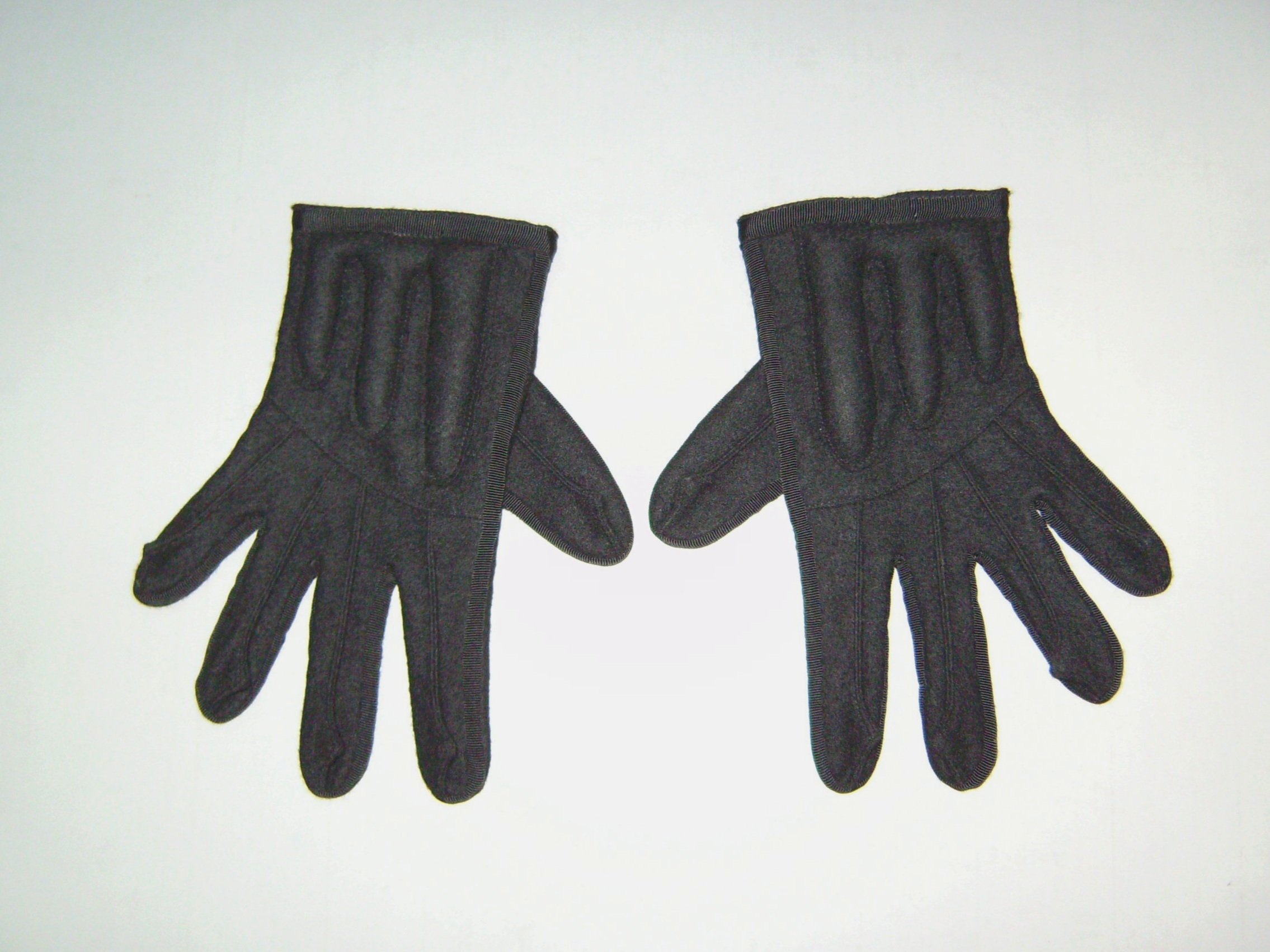
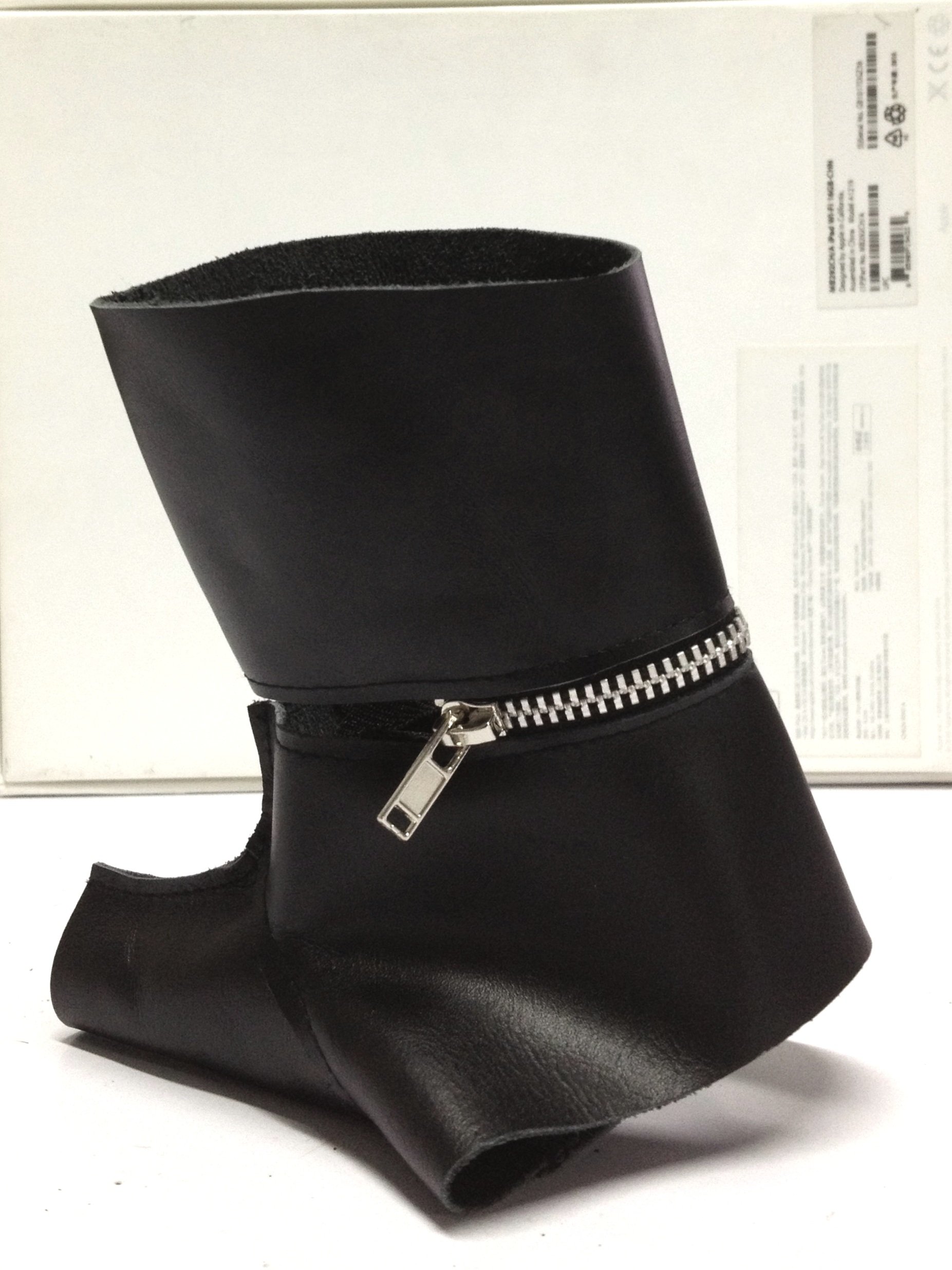
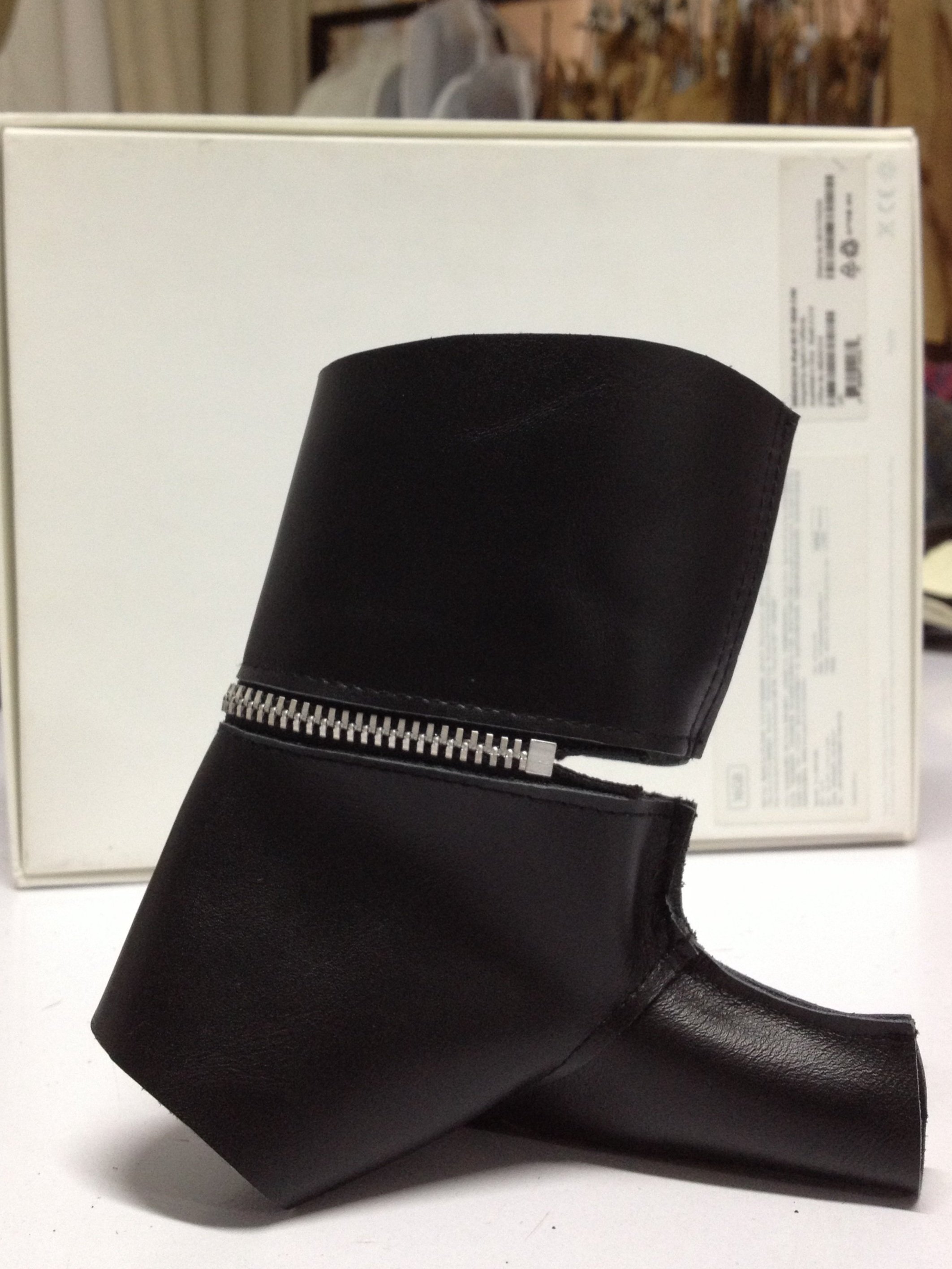
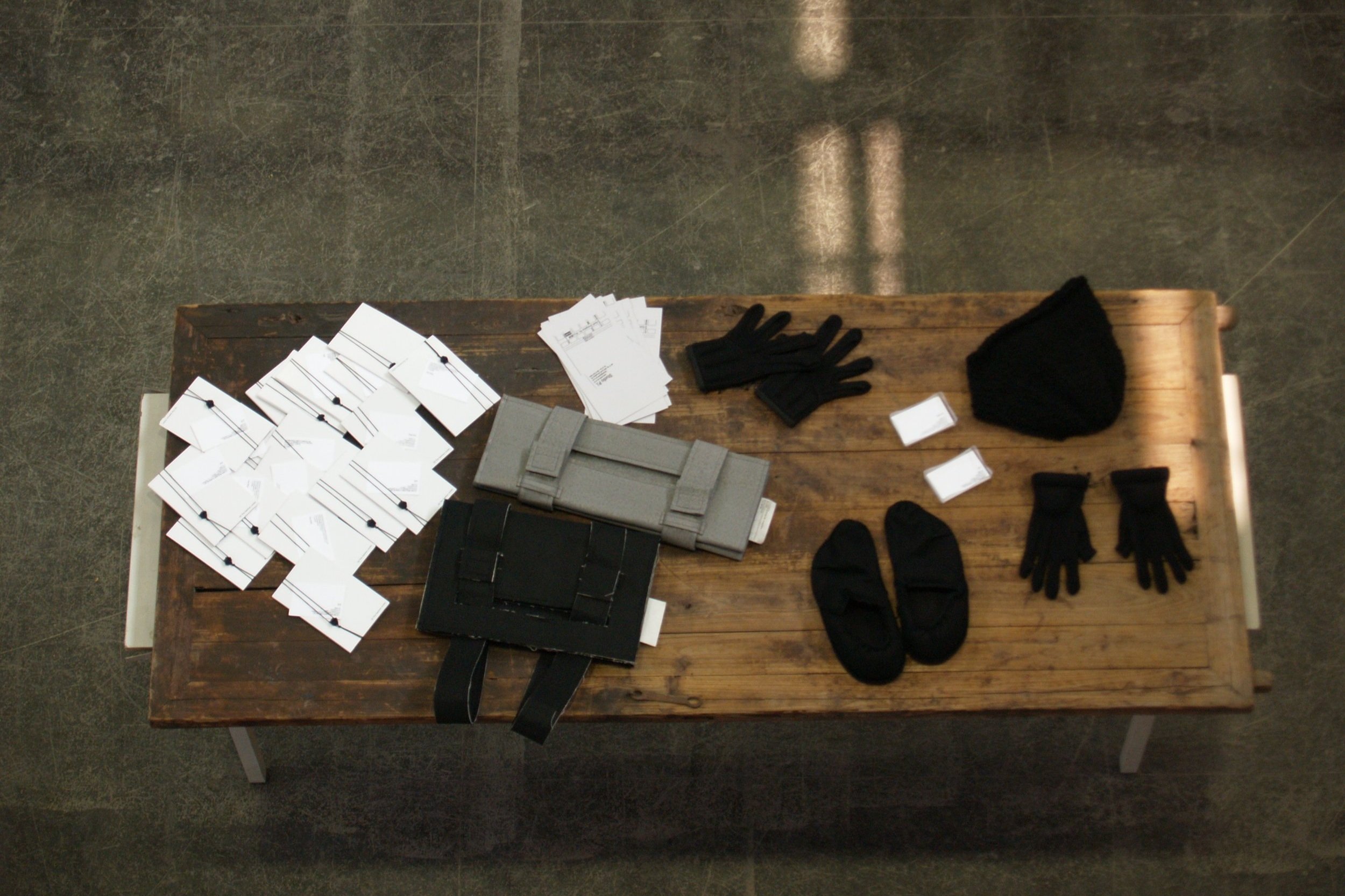
The studio’s equipment shaped what it could make. The team concentrated on pieces that could be developed without specialised moulds or industrial machinery, including sewn bags, gloves, hats and soft footwear. Artisans and tailors helped make the hats; wool flannel and felted wool were used for gloves.
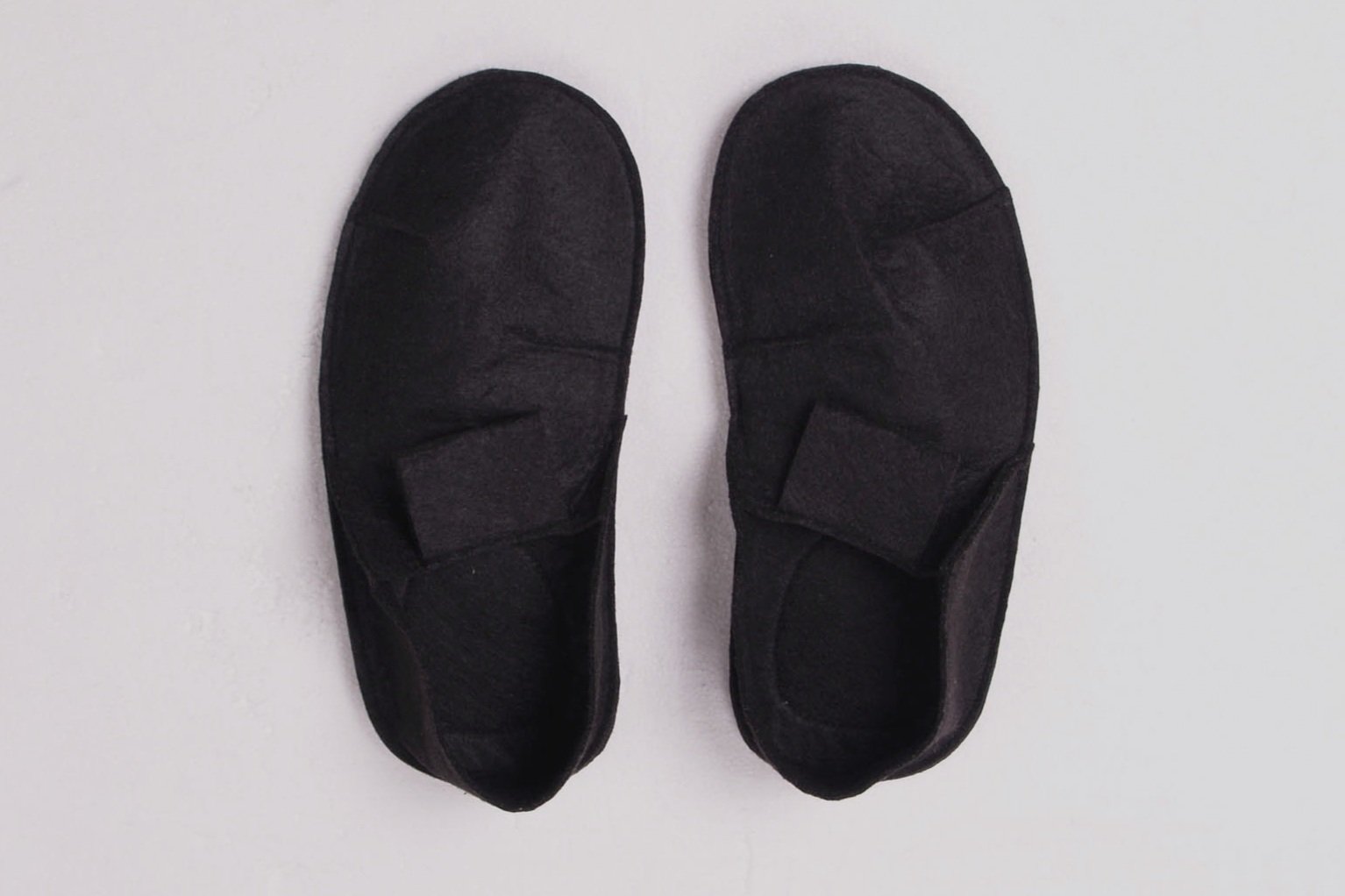
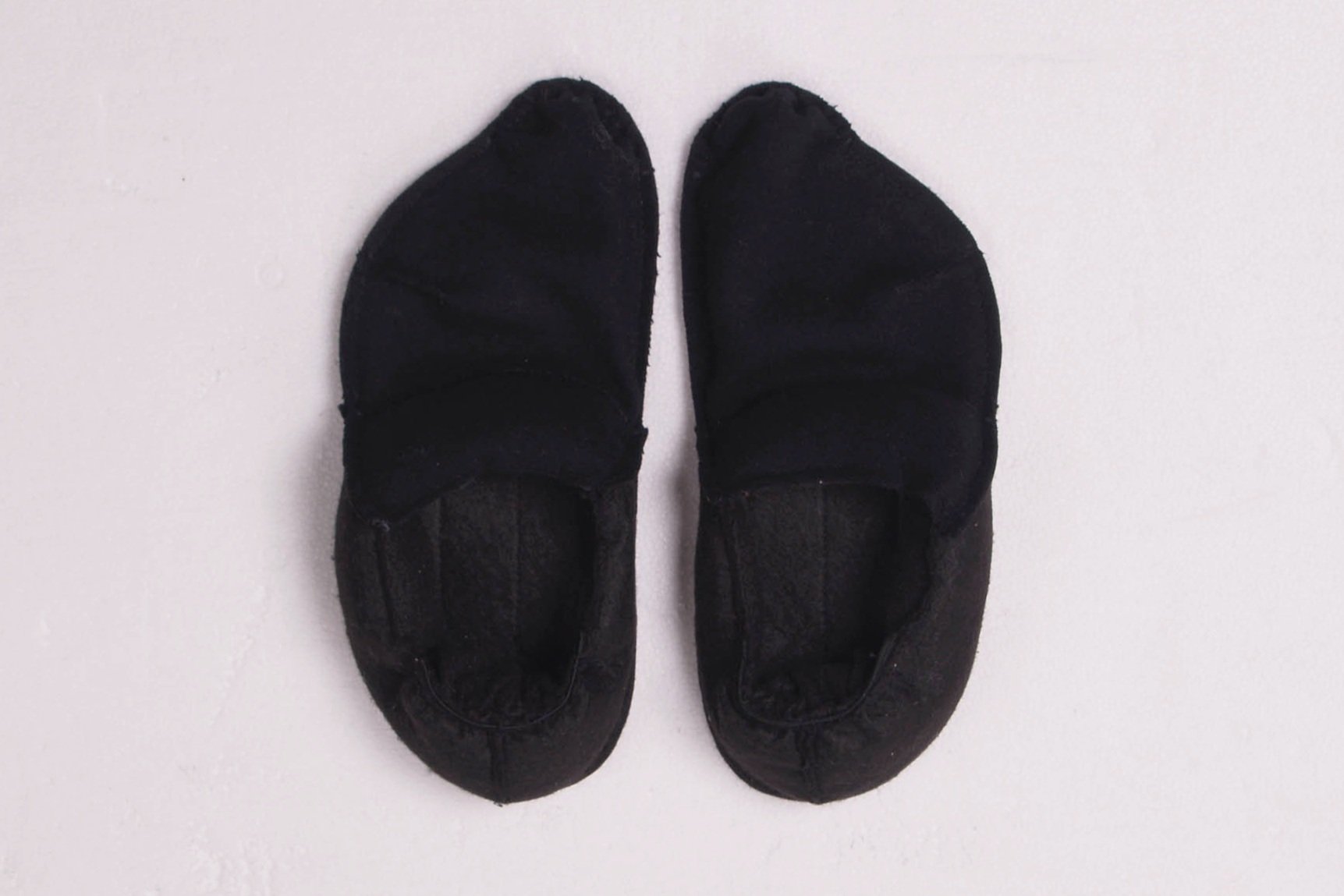
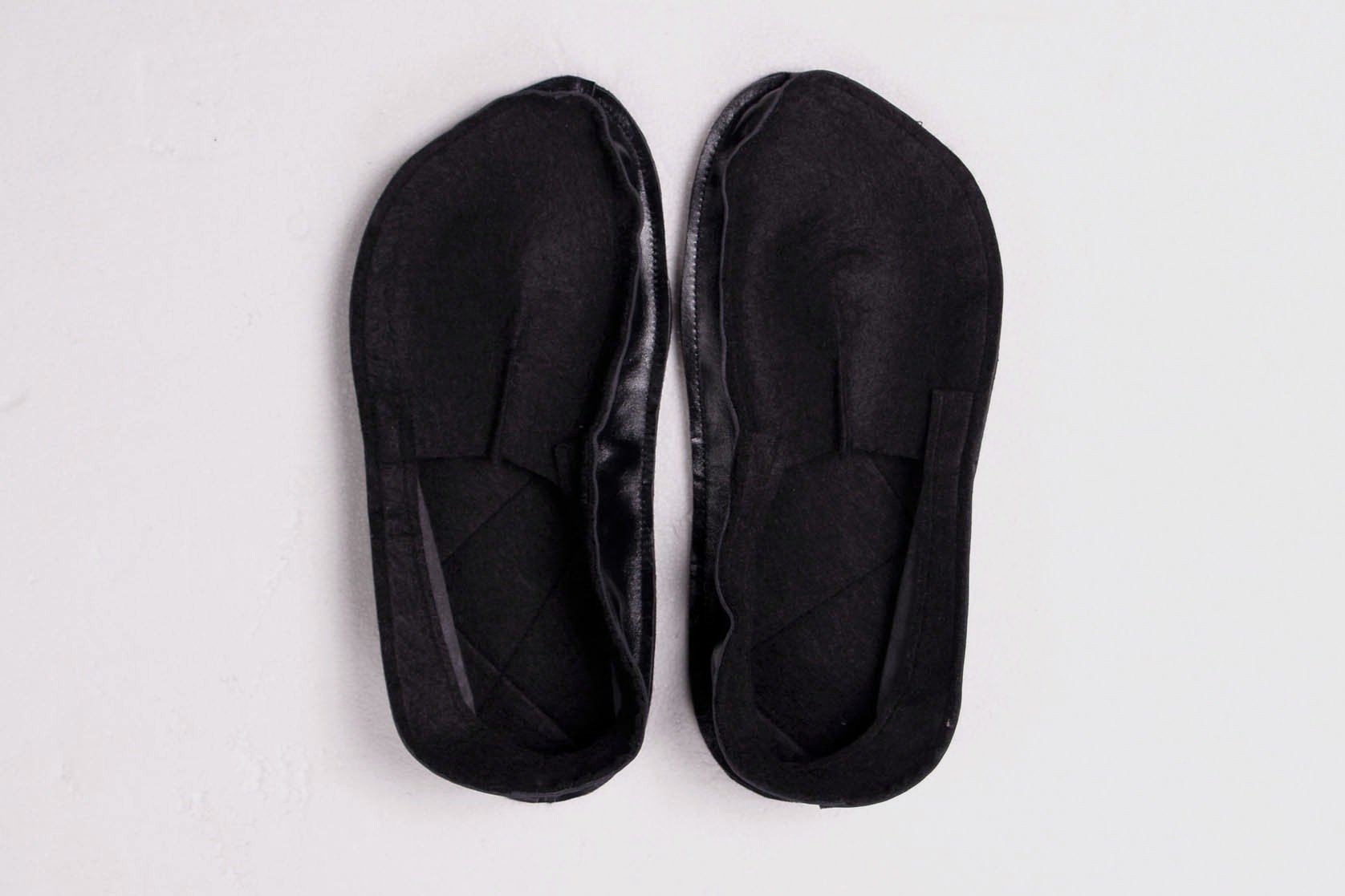
A former industry supplier donated felt, giving the team material for experiments with flat shoes and indoor footwear inspired by traditional Asian forms. Patterns, colour combinations and available remnants guided each variation. An intern contributed a handbag prototype, adding another approach to the studio’s development work.
Small pieces from collection materials
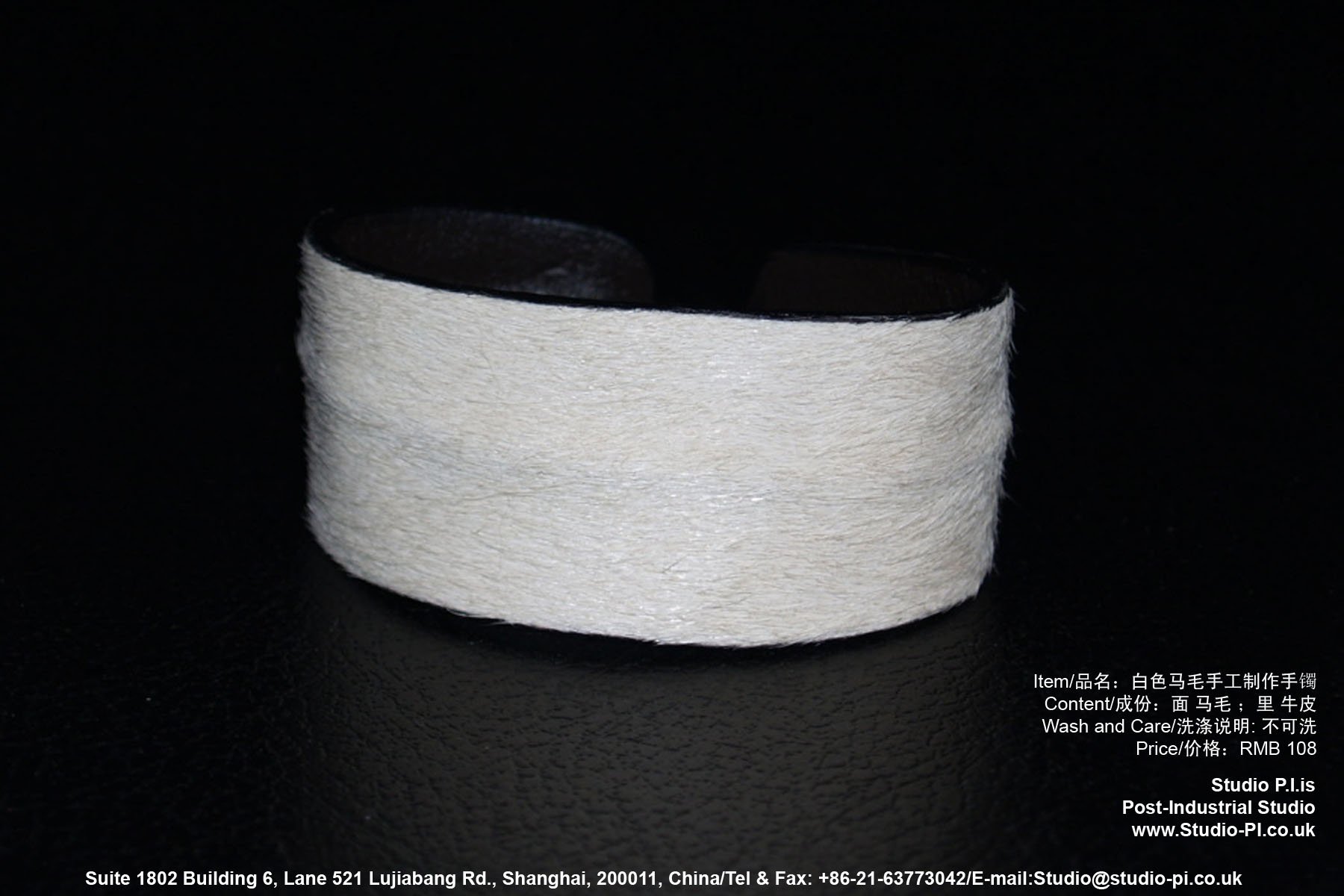
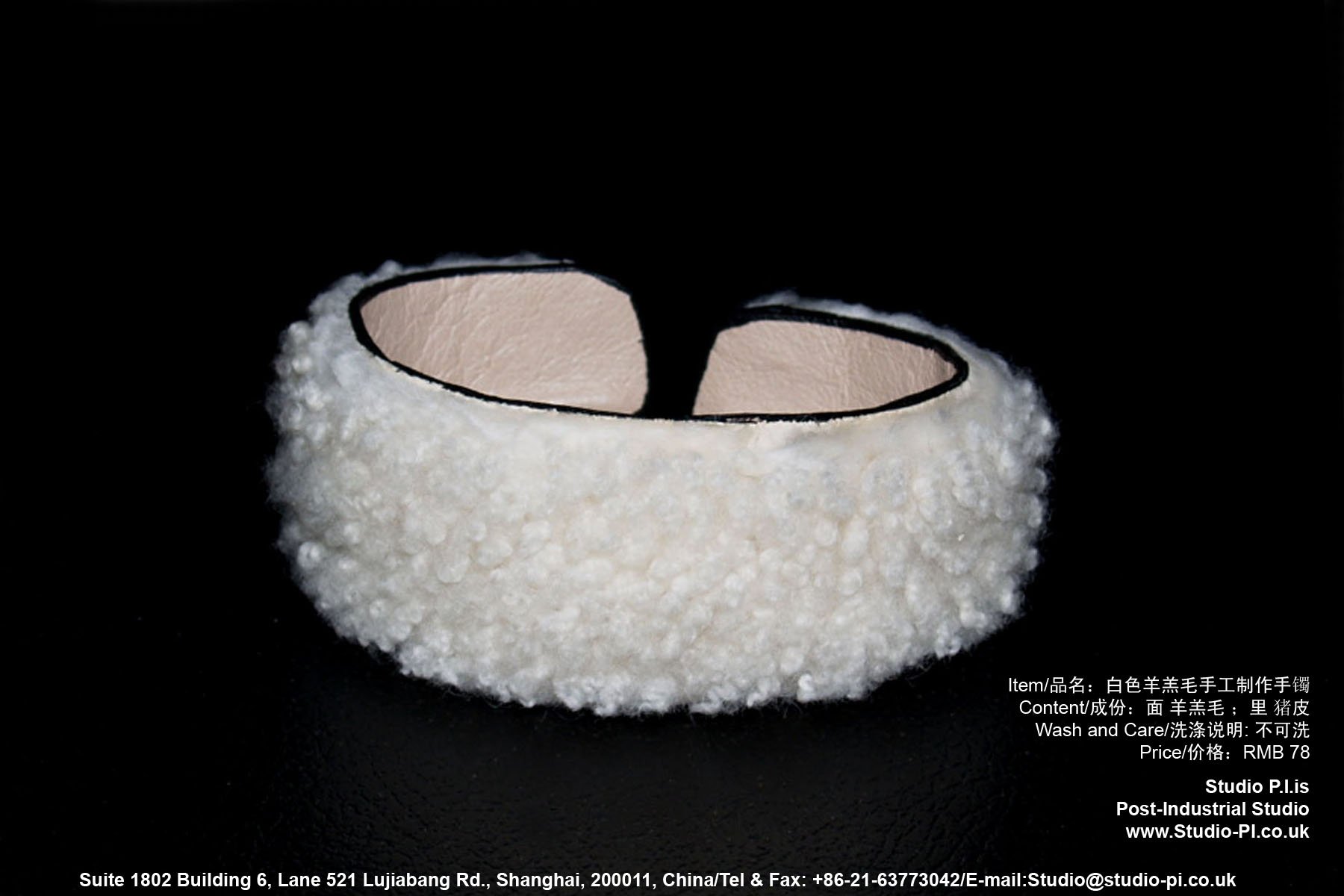
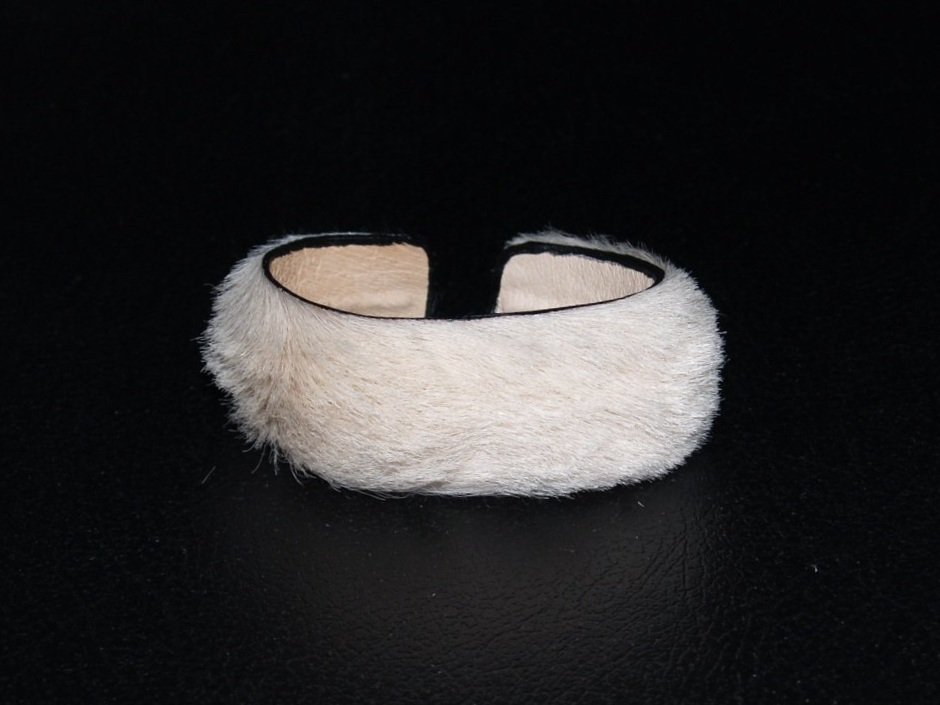
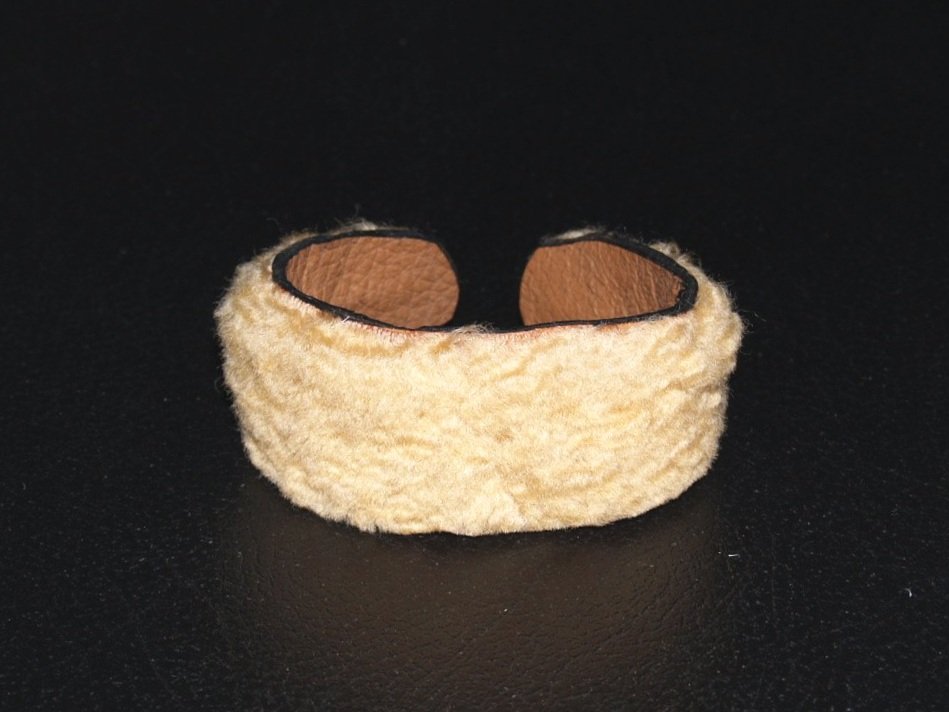
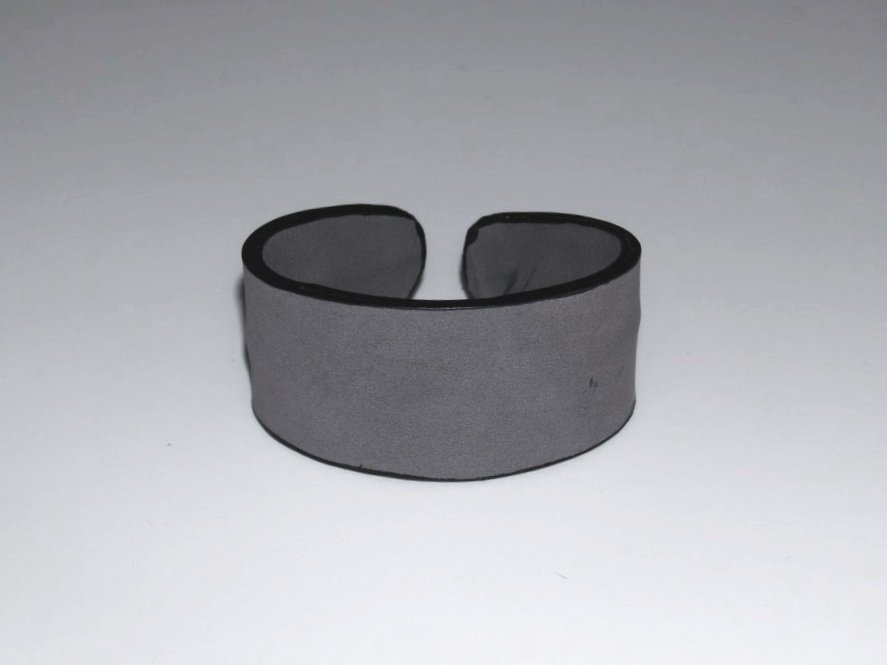
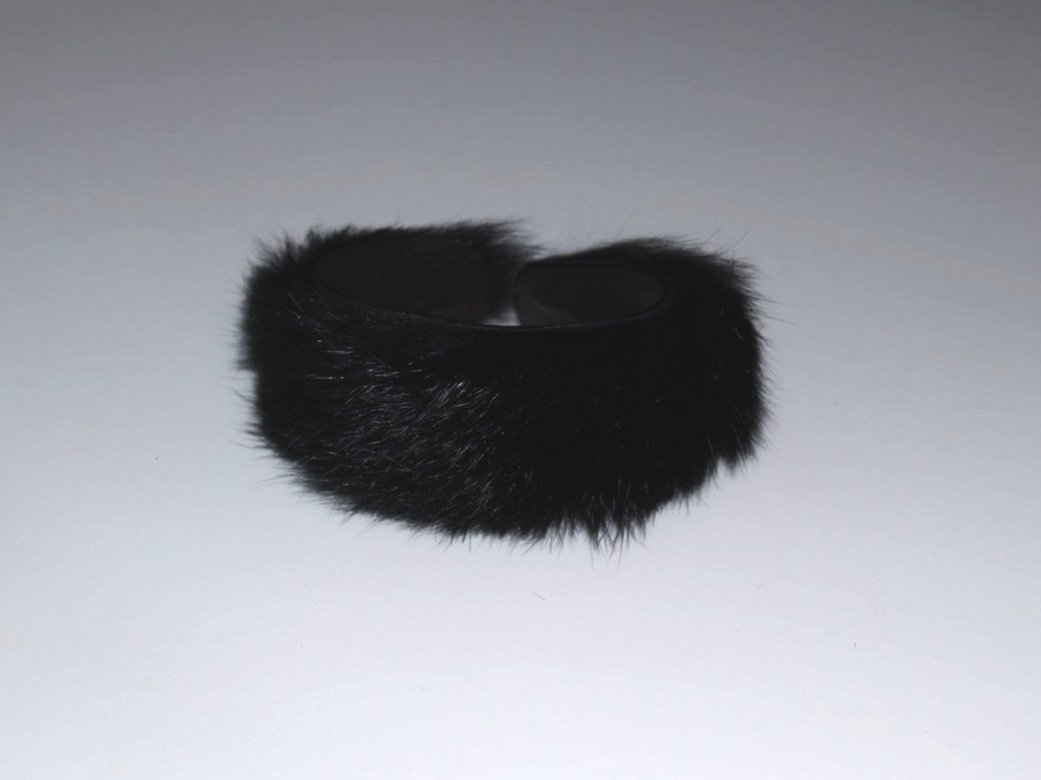
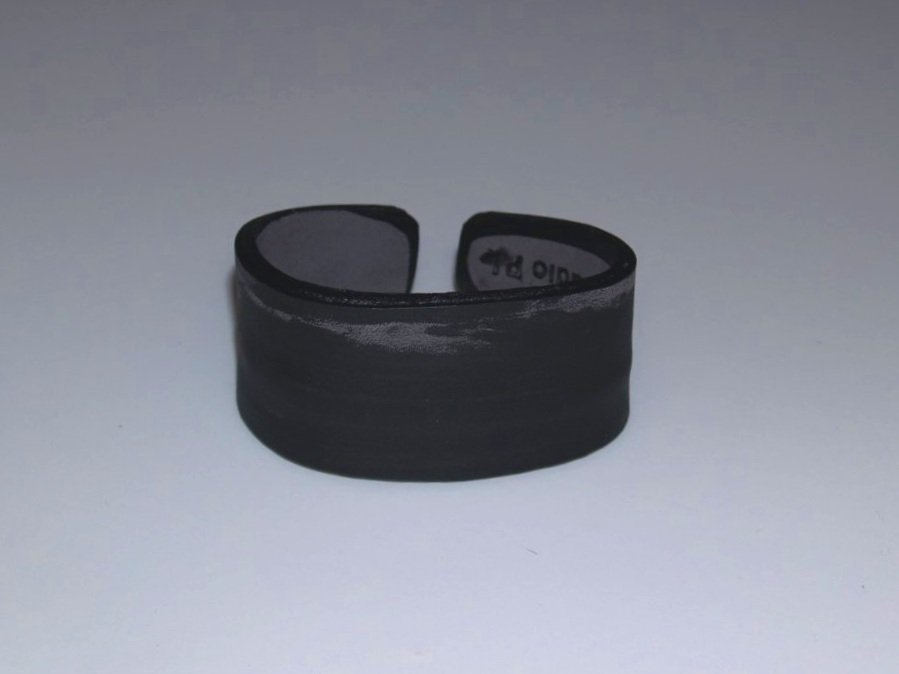
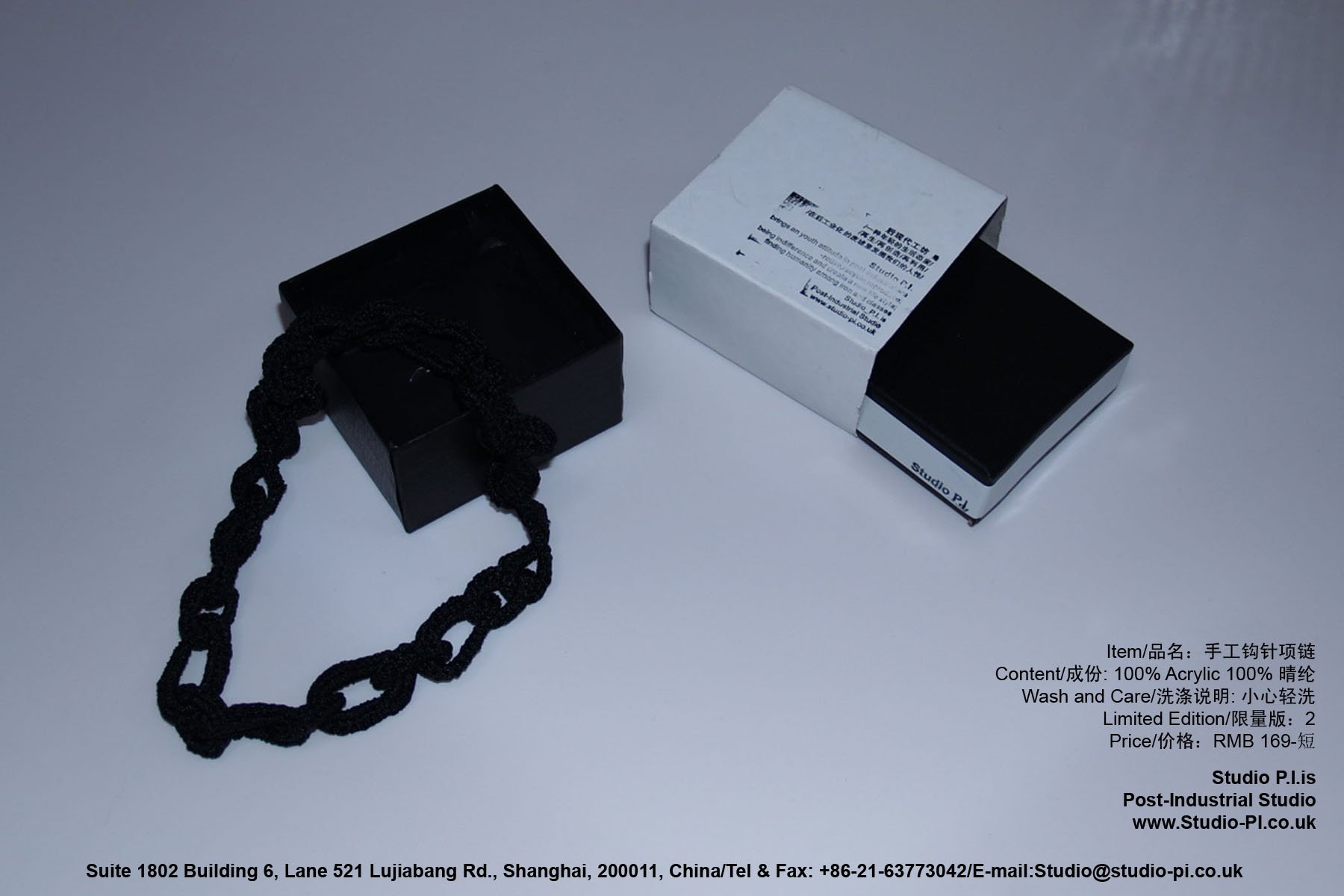
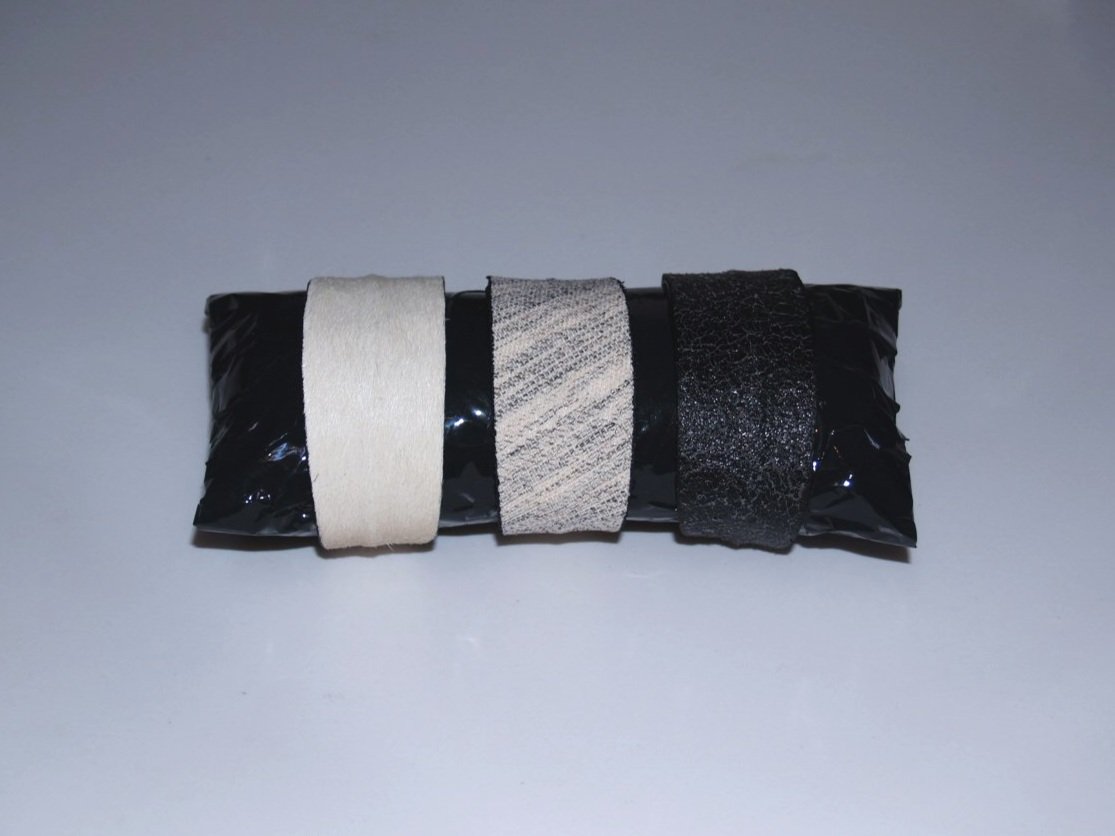
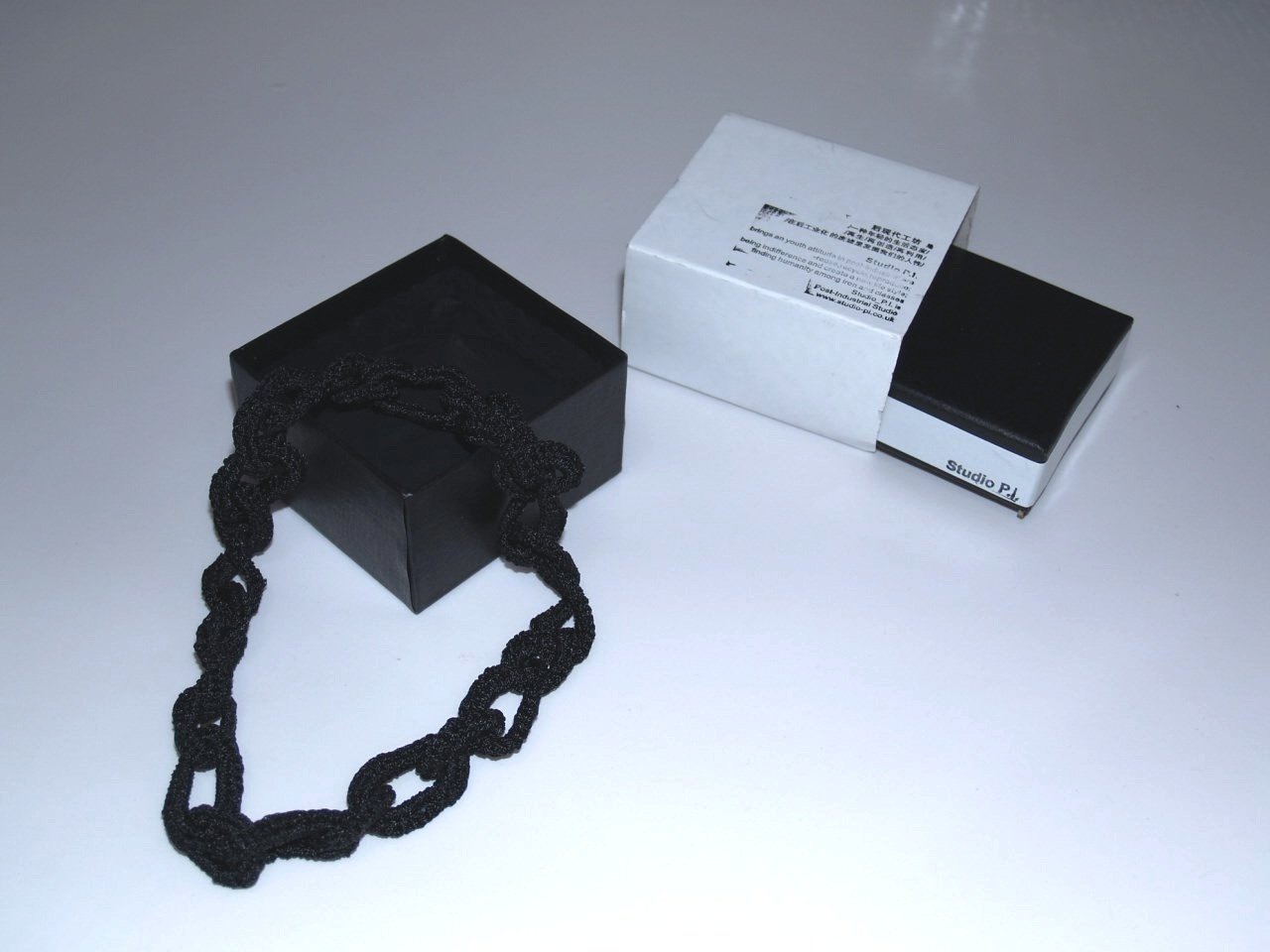
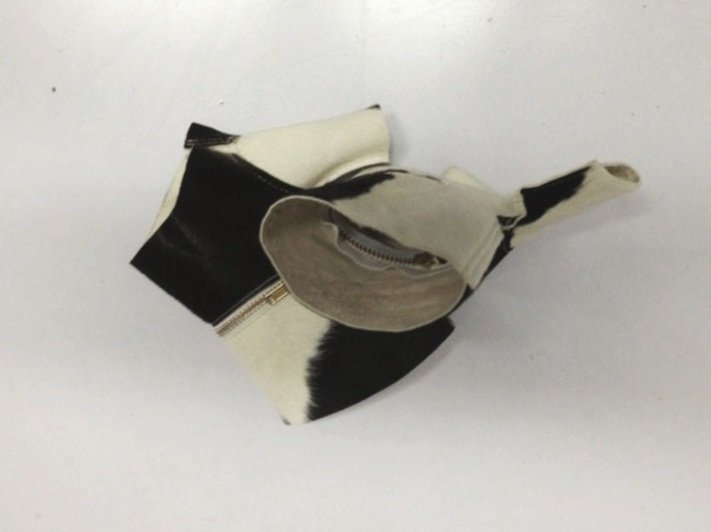
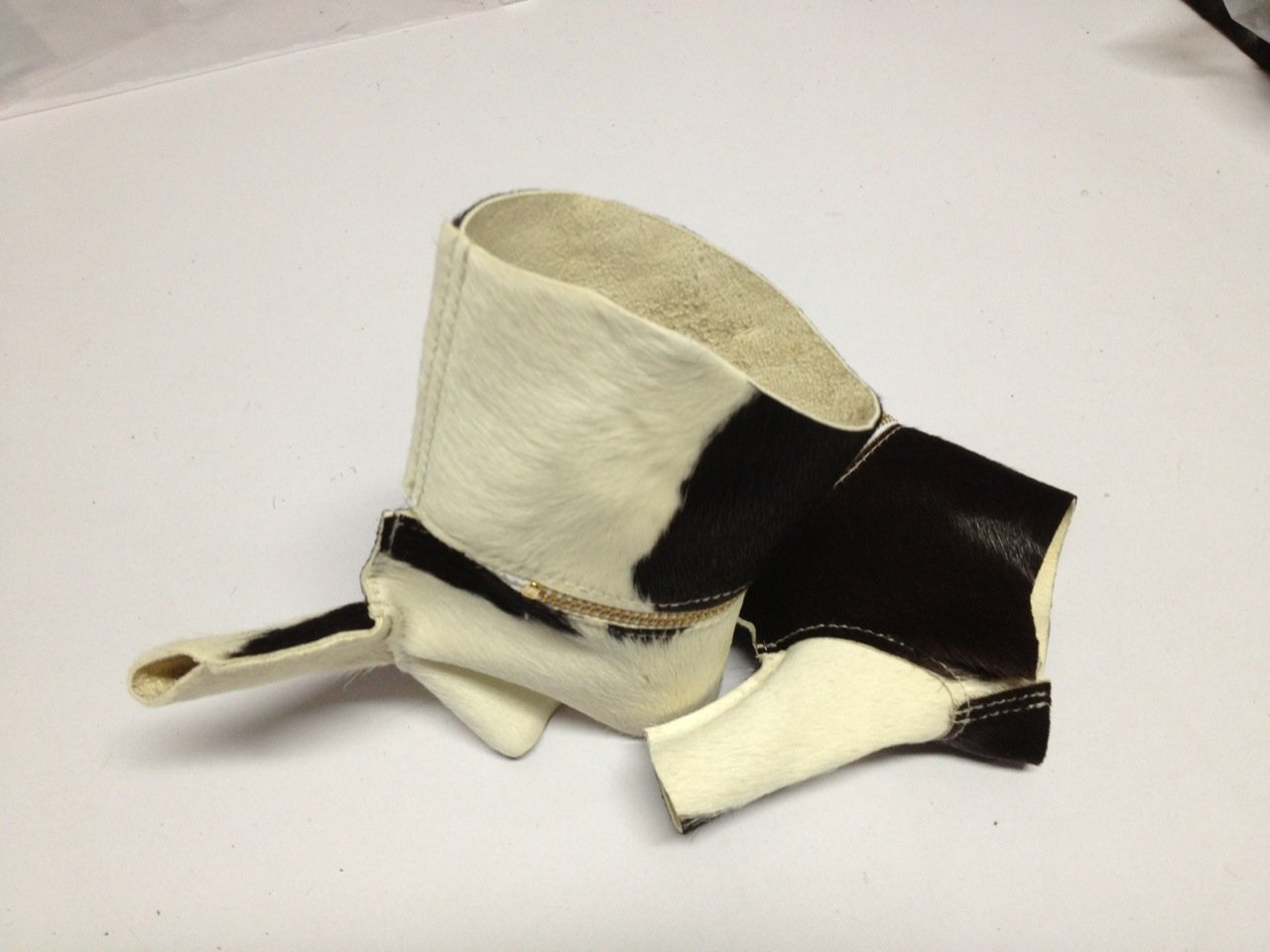
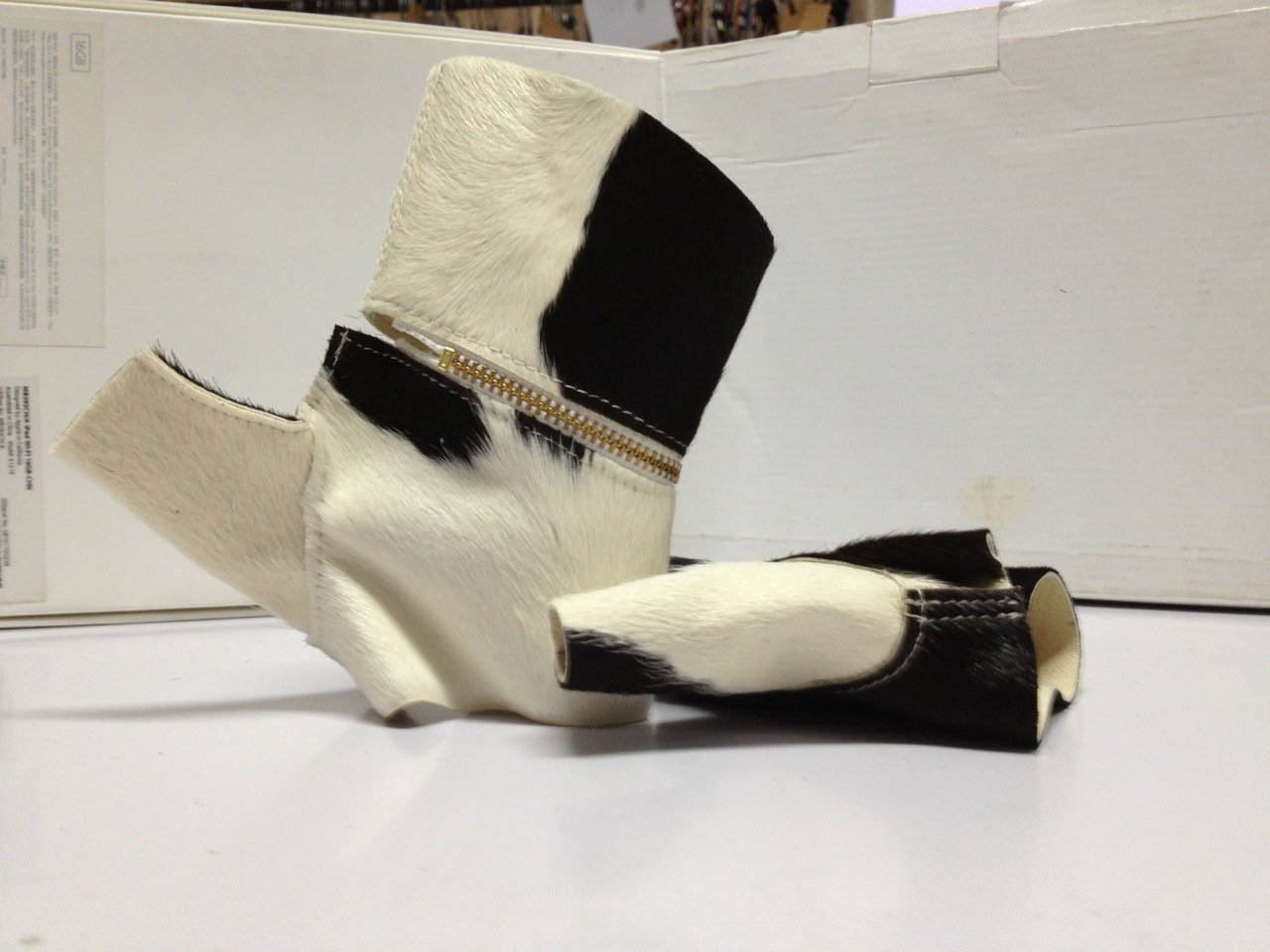
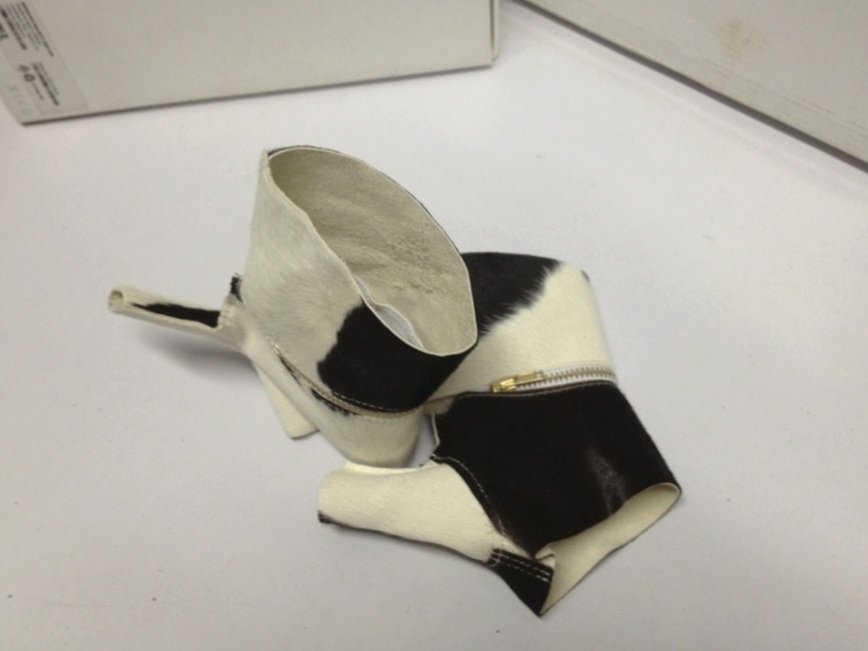
Necklaces, bracelets and other small accessories grew out of materials left over from the clothing collections. The archive includes experiments with leather, hair-on skins, fur and faux fur, as well as polyester canvas and other textiles. Their different surfaces and textures became part of the design of each piece.
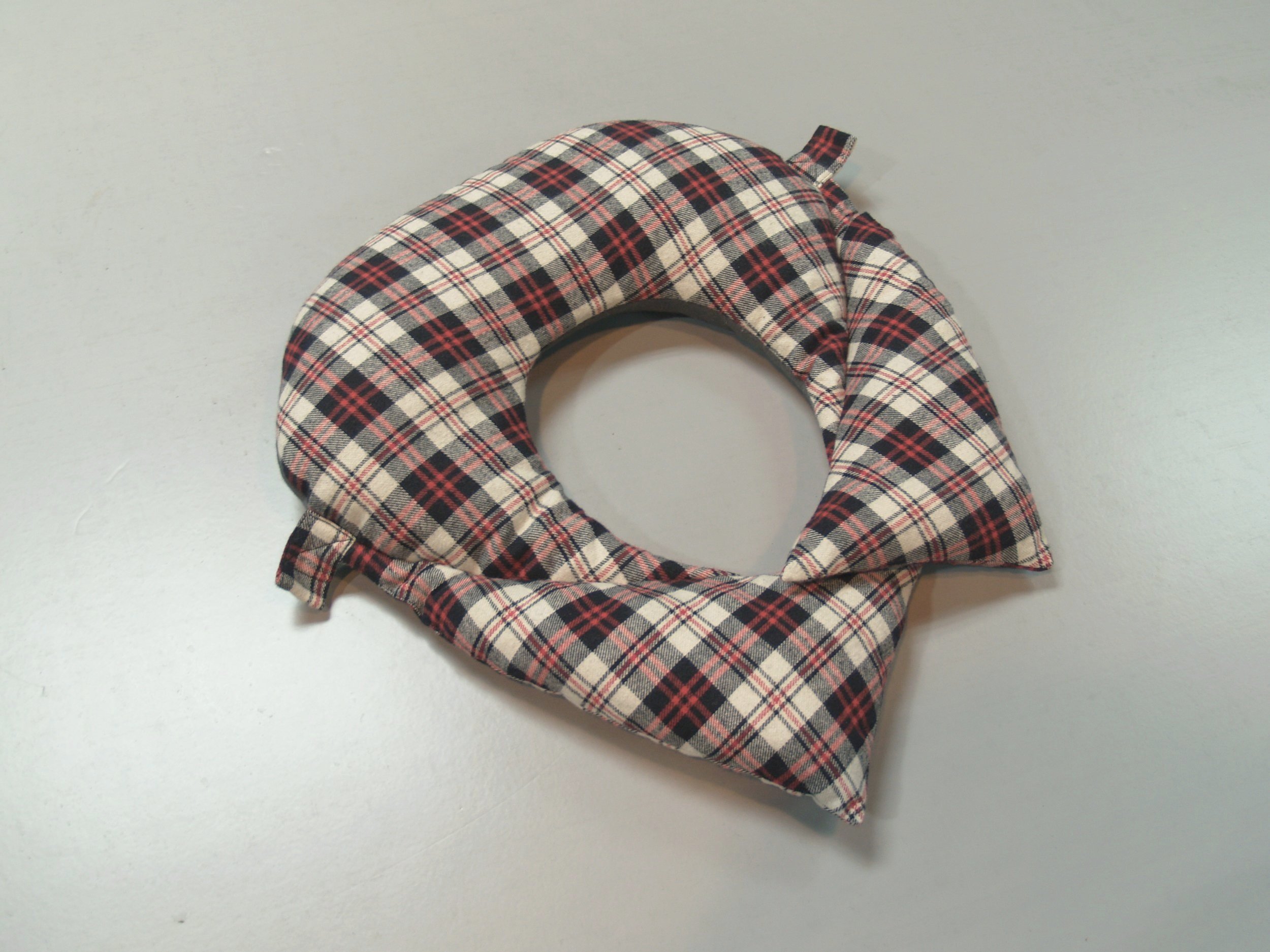
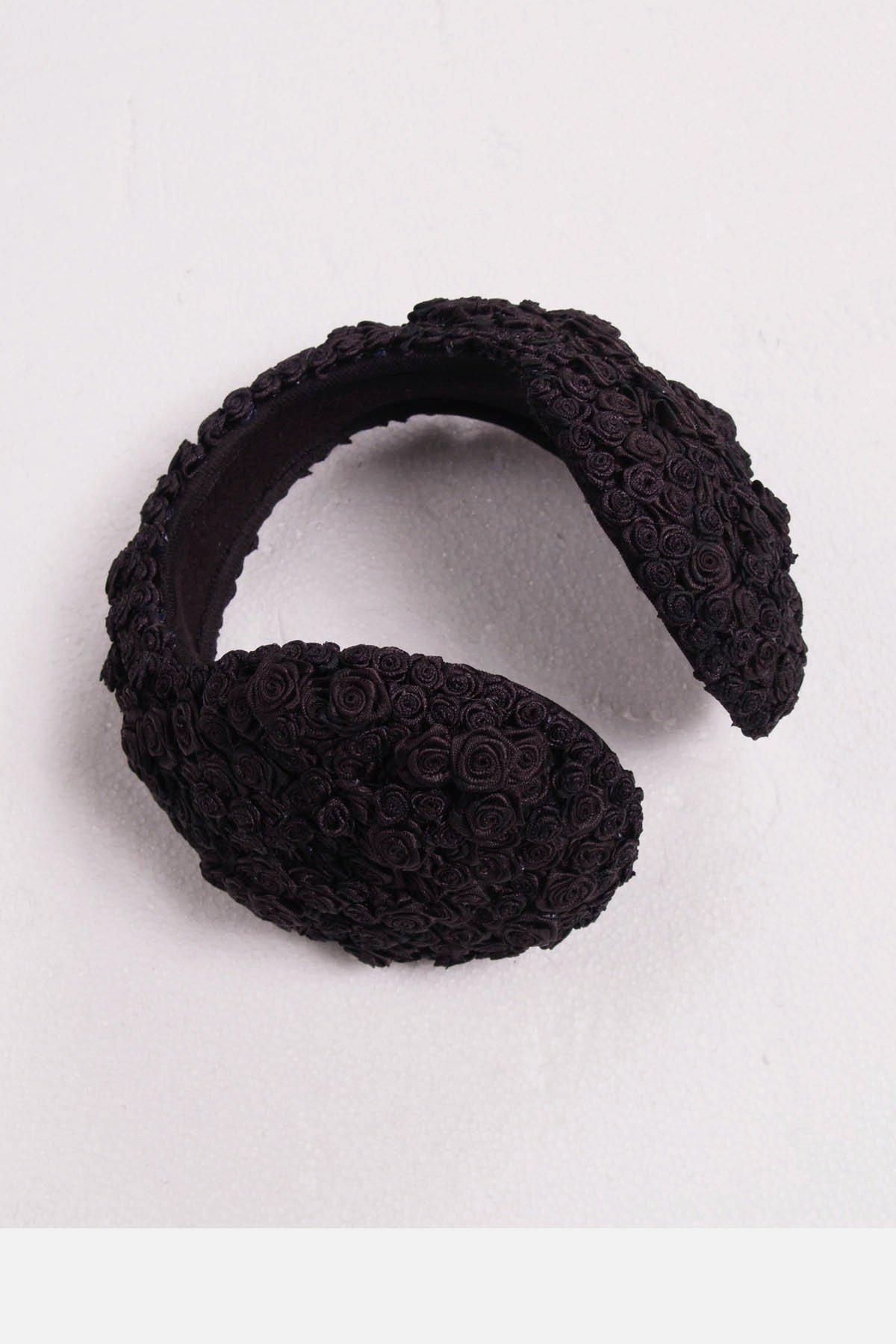
The team also explored objects such as neck pillows for air travel. At the accessories market, it collected distinctive trims and sample pieces, including samples from manufacturing orders that had not gone into production. These finds were incorporated into caps and headpieces. Peaked caps and military-inspired hats connected the styling to the industrial era and the visual identity of workers.
A small knitwear workshop
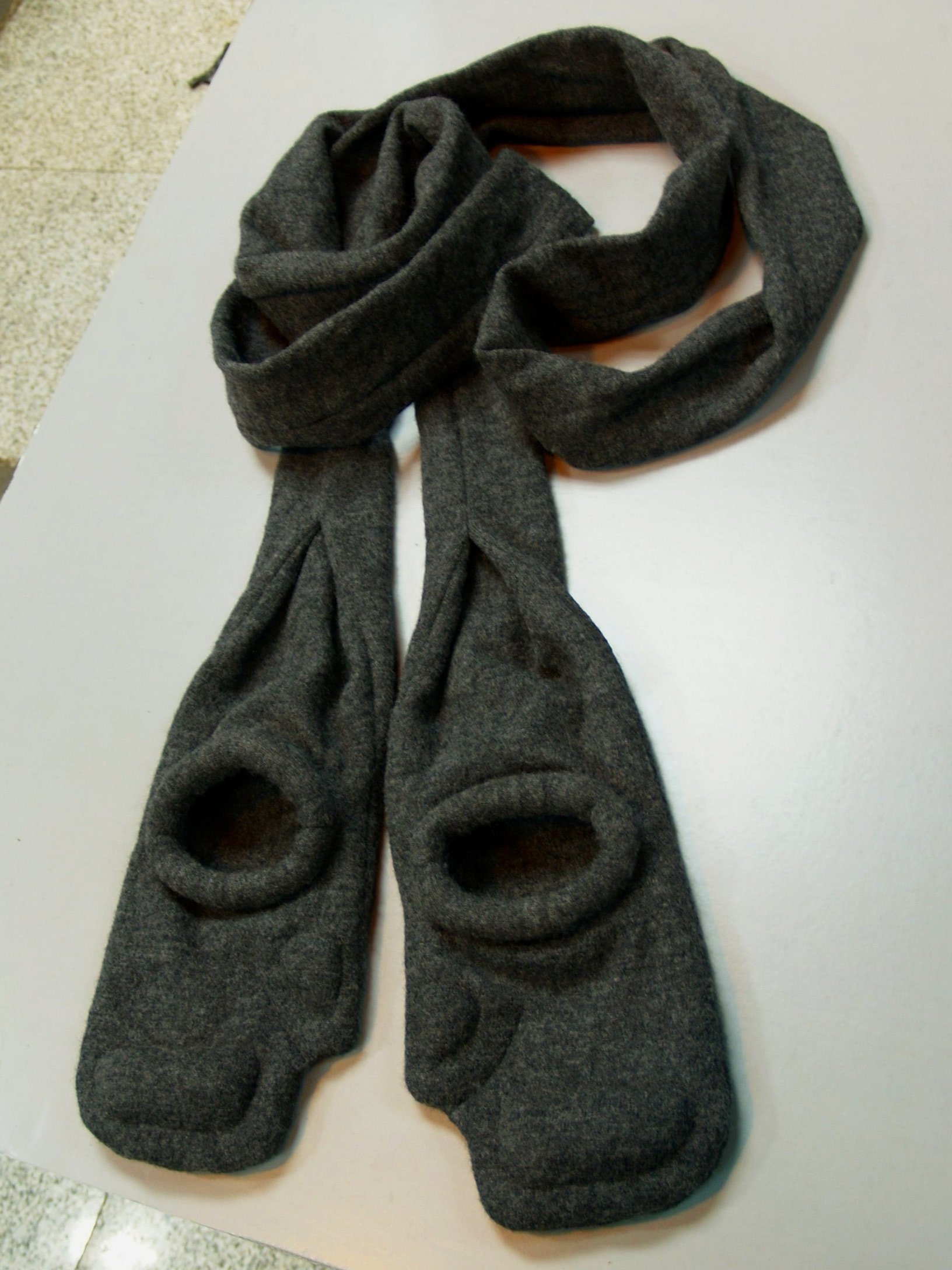
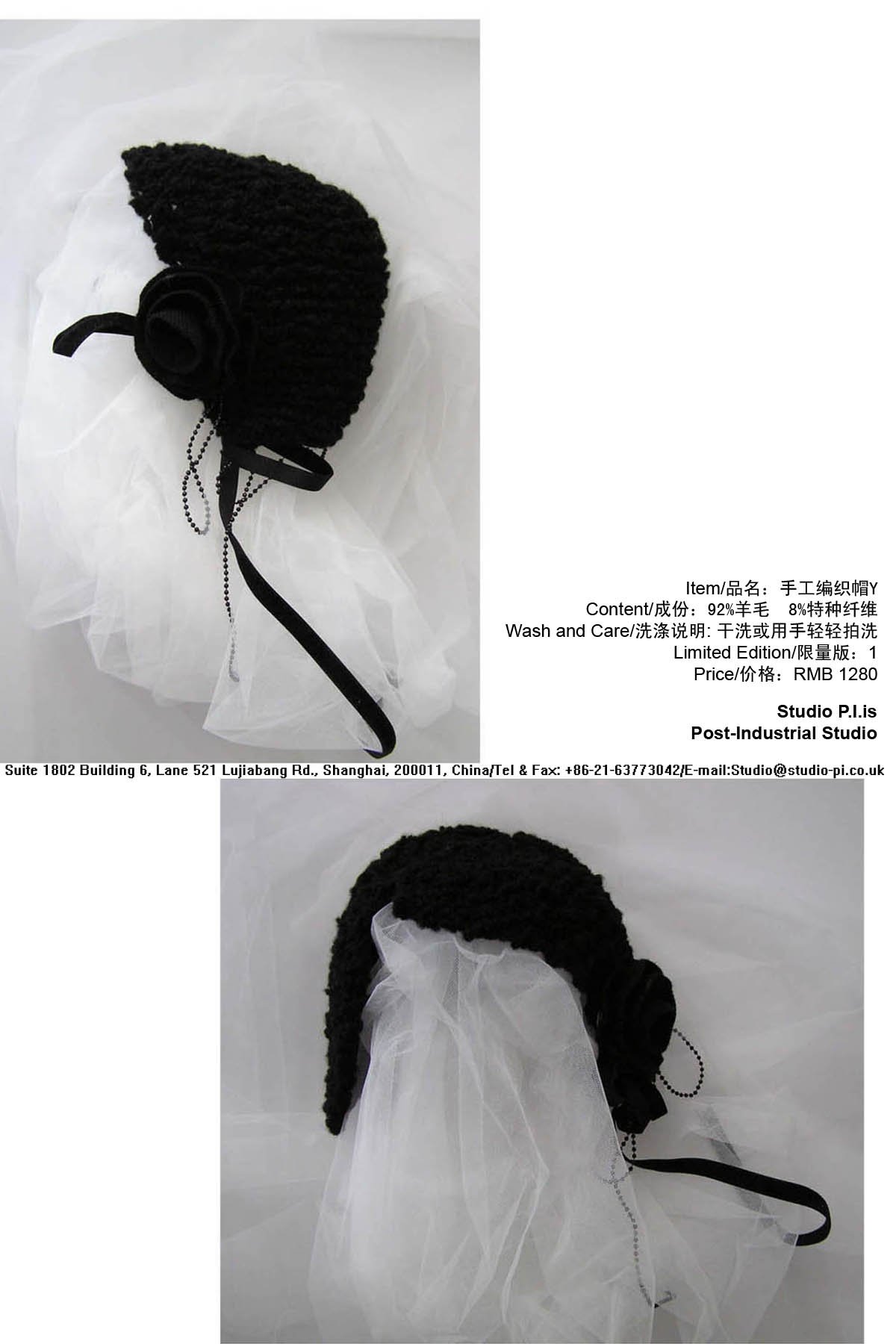
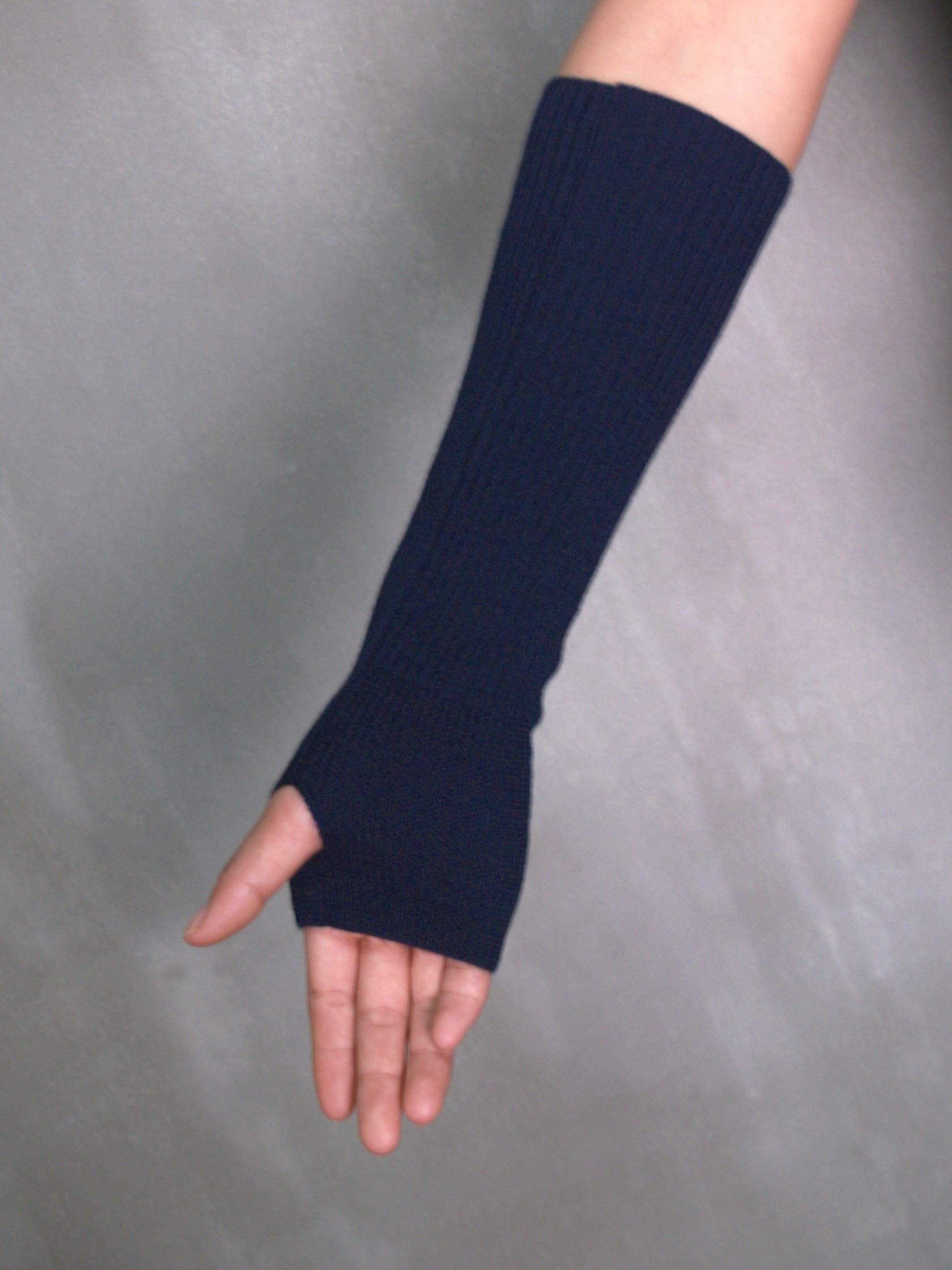
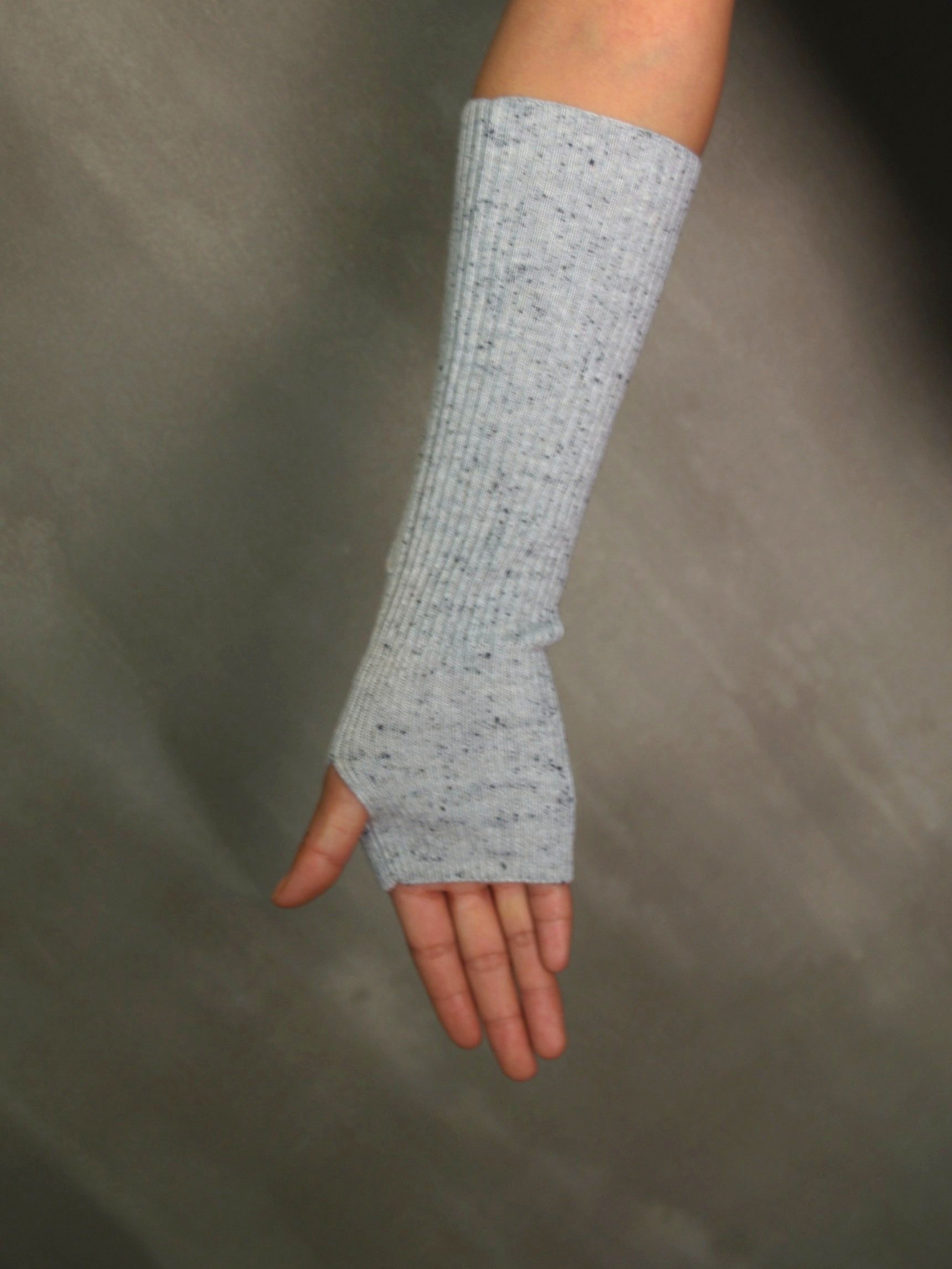
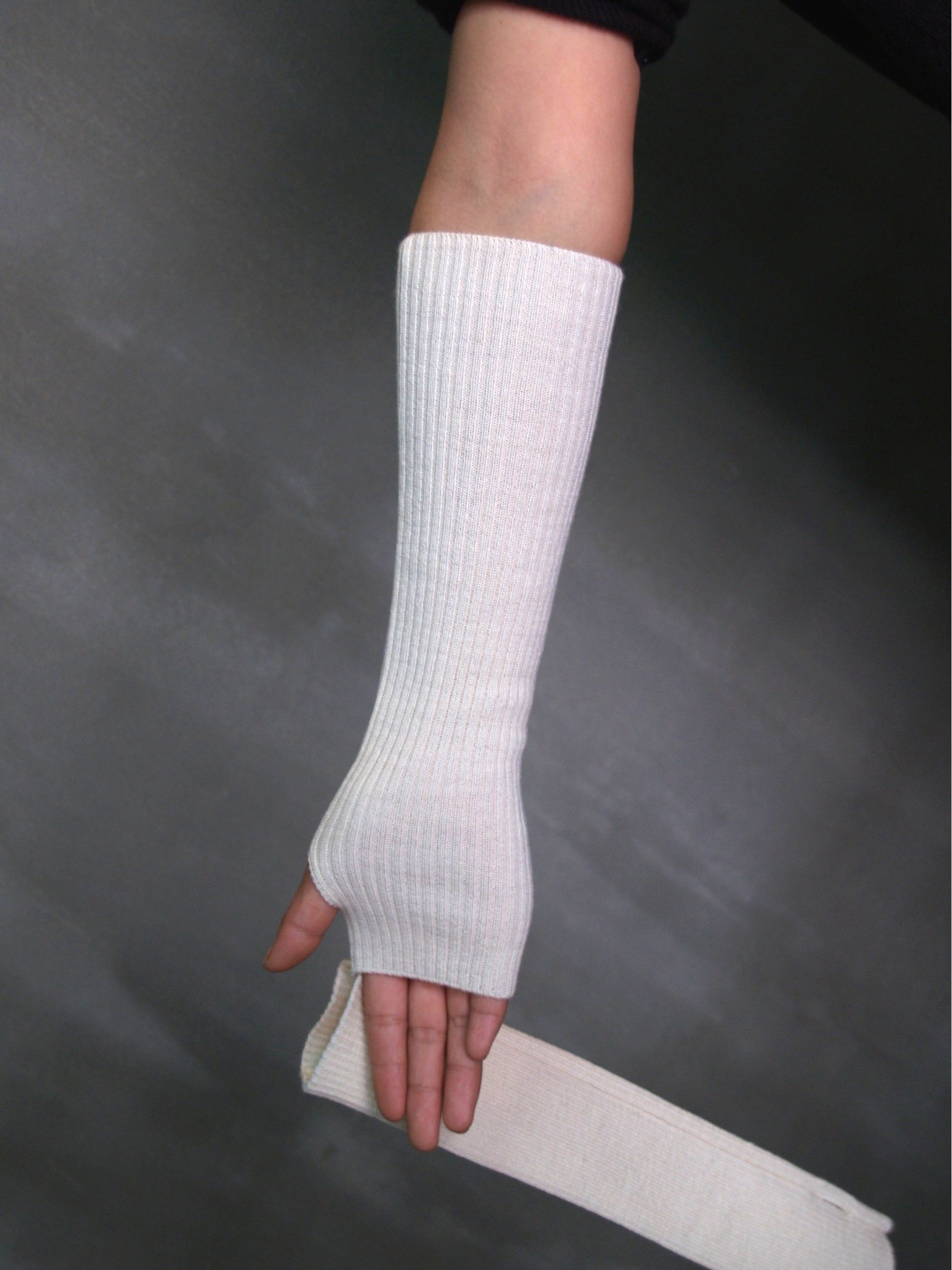
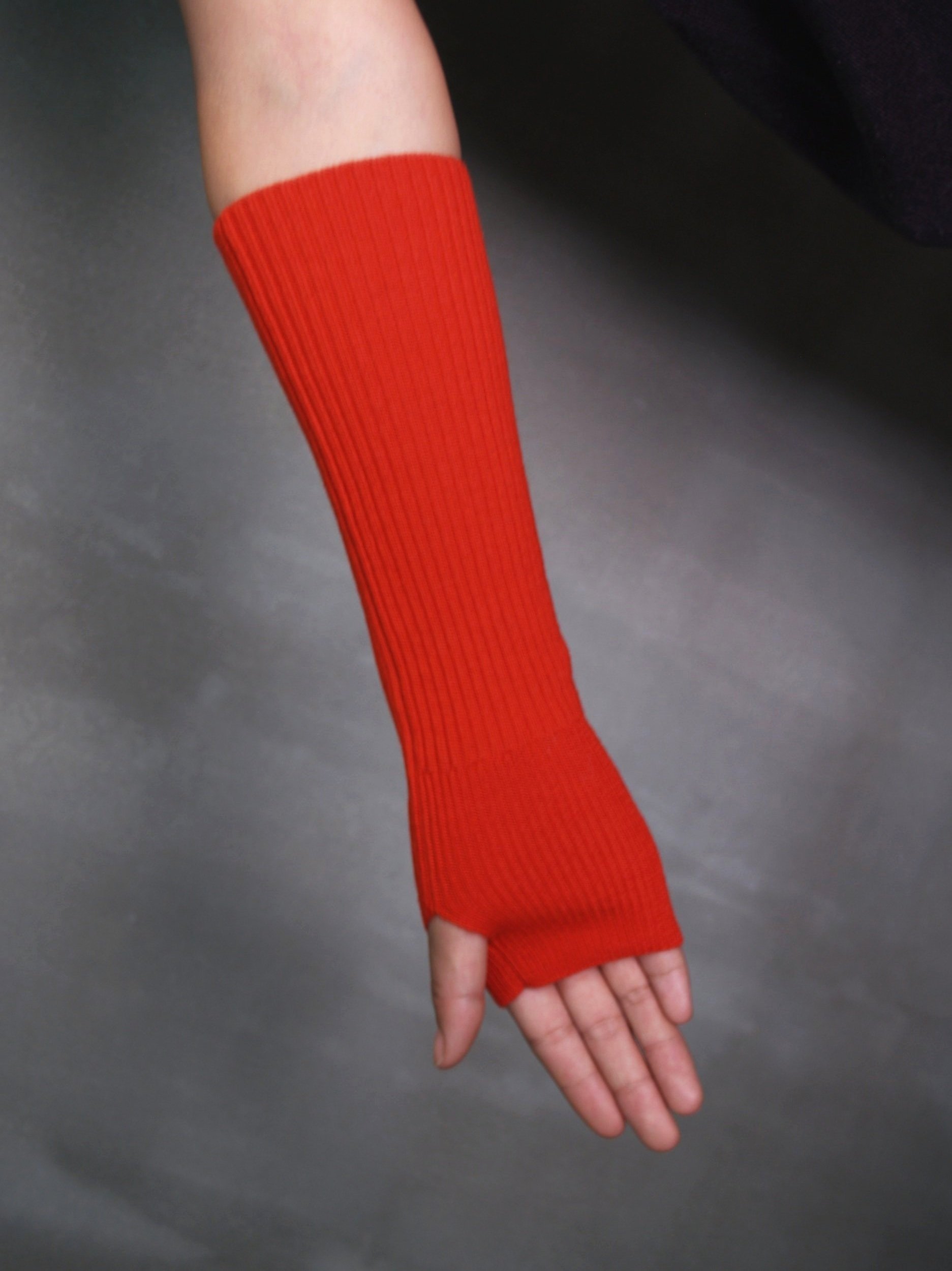
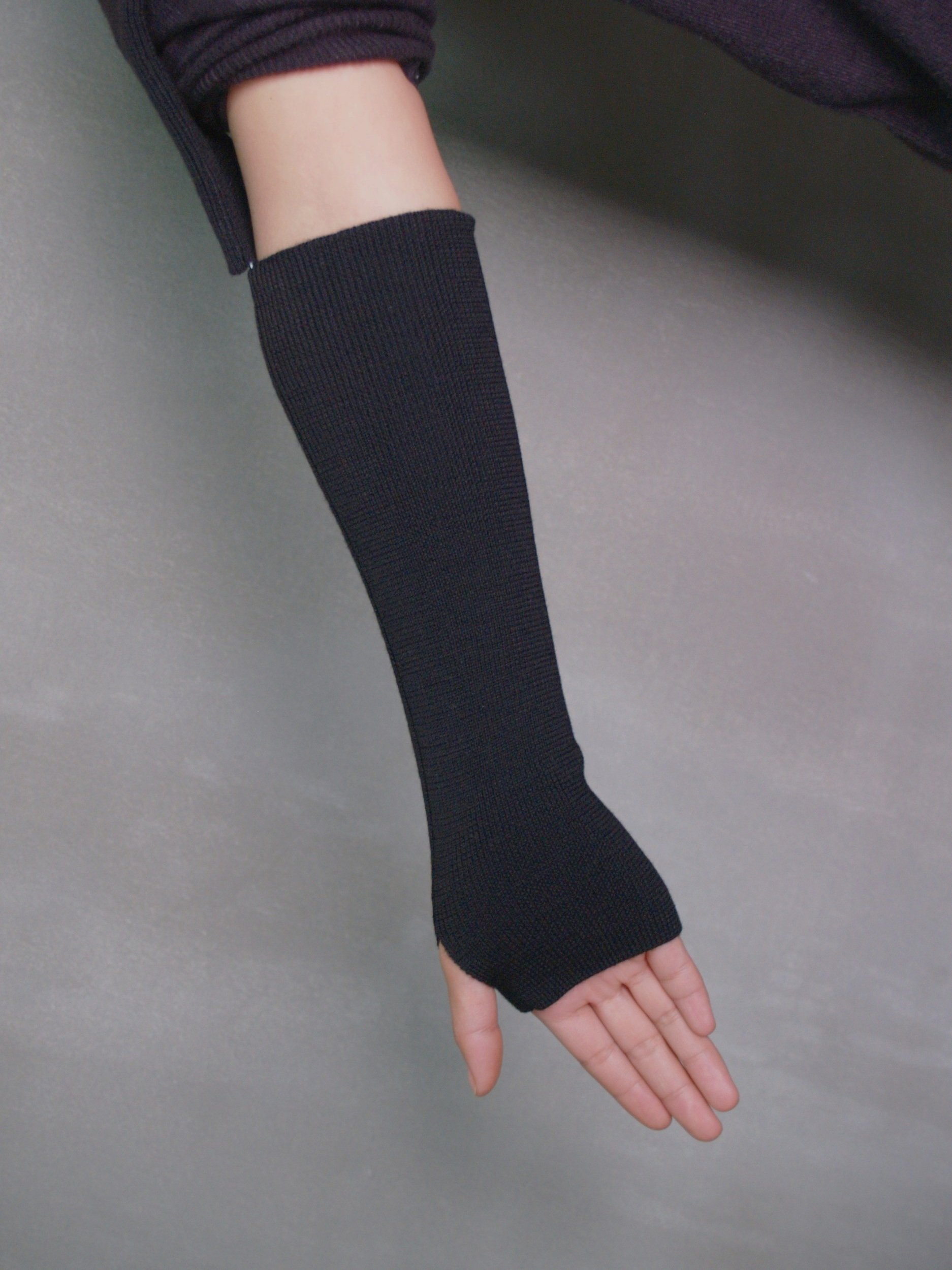
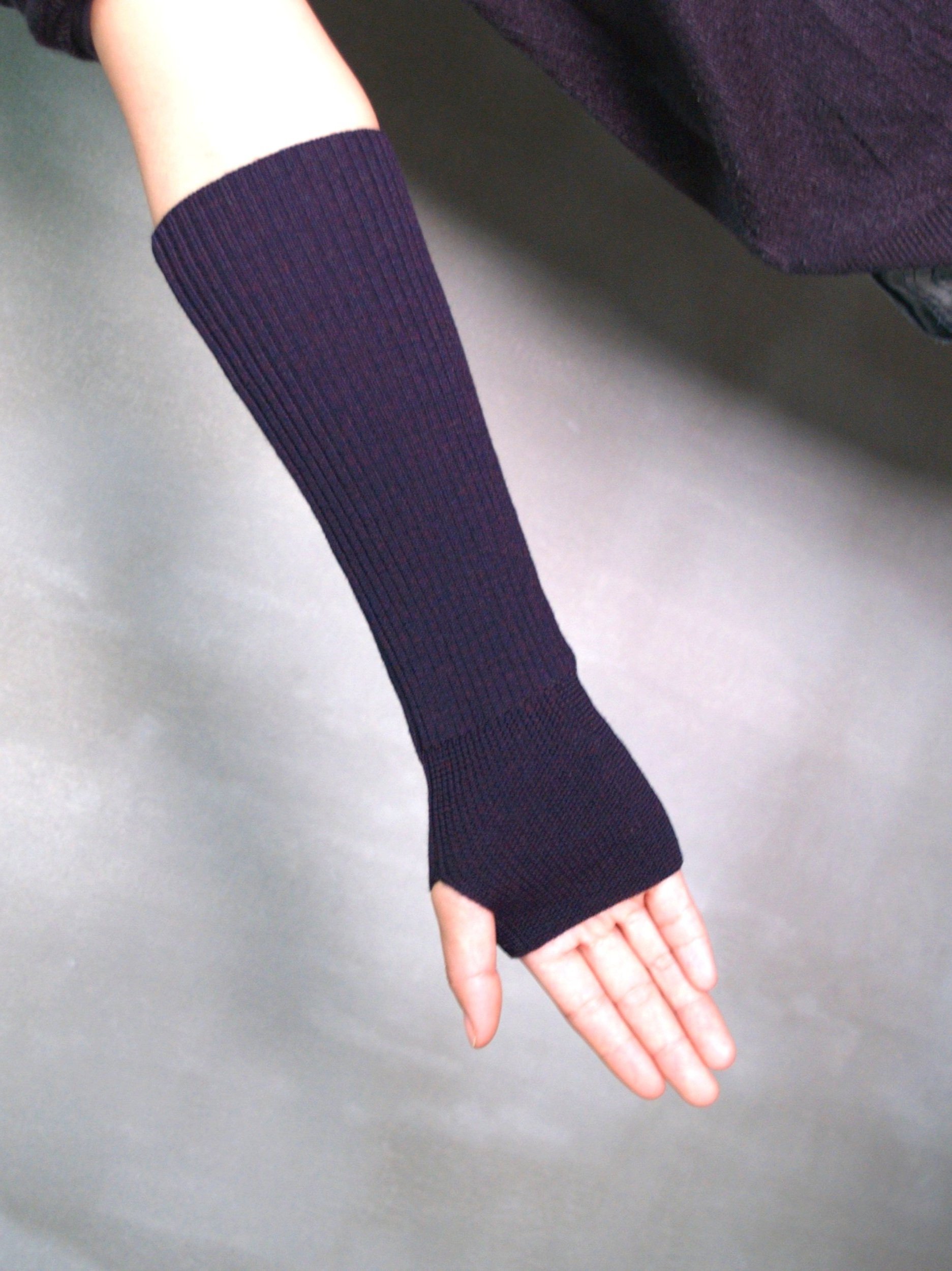
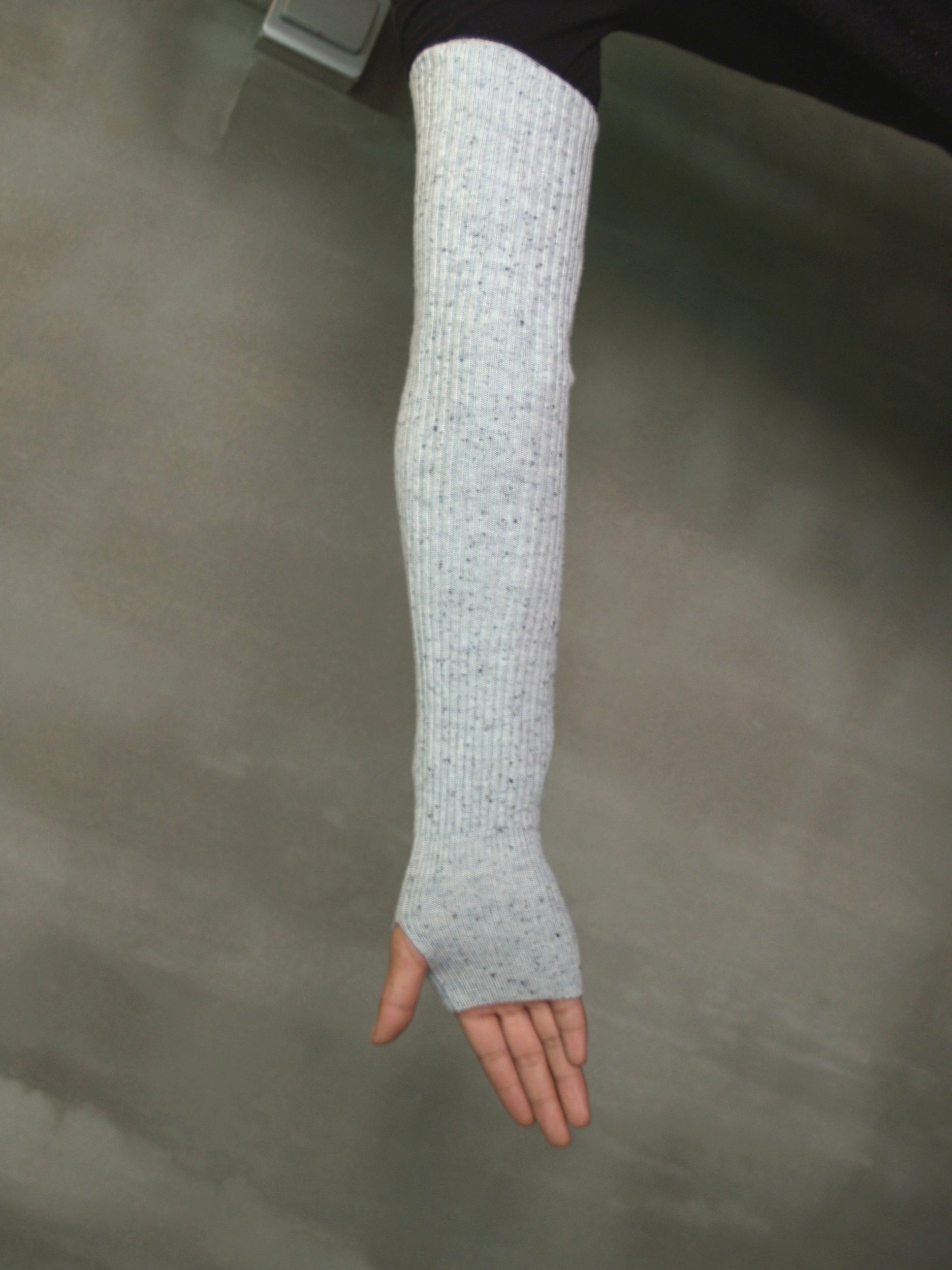
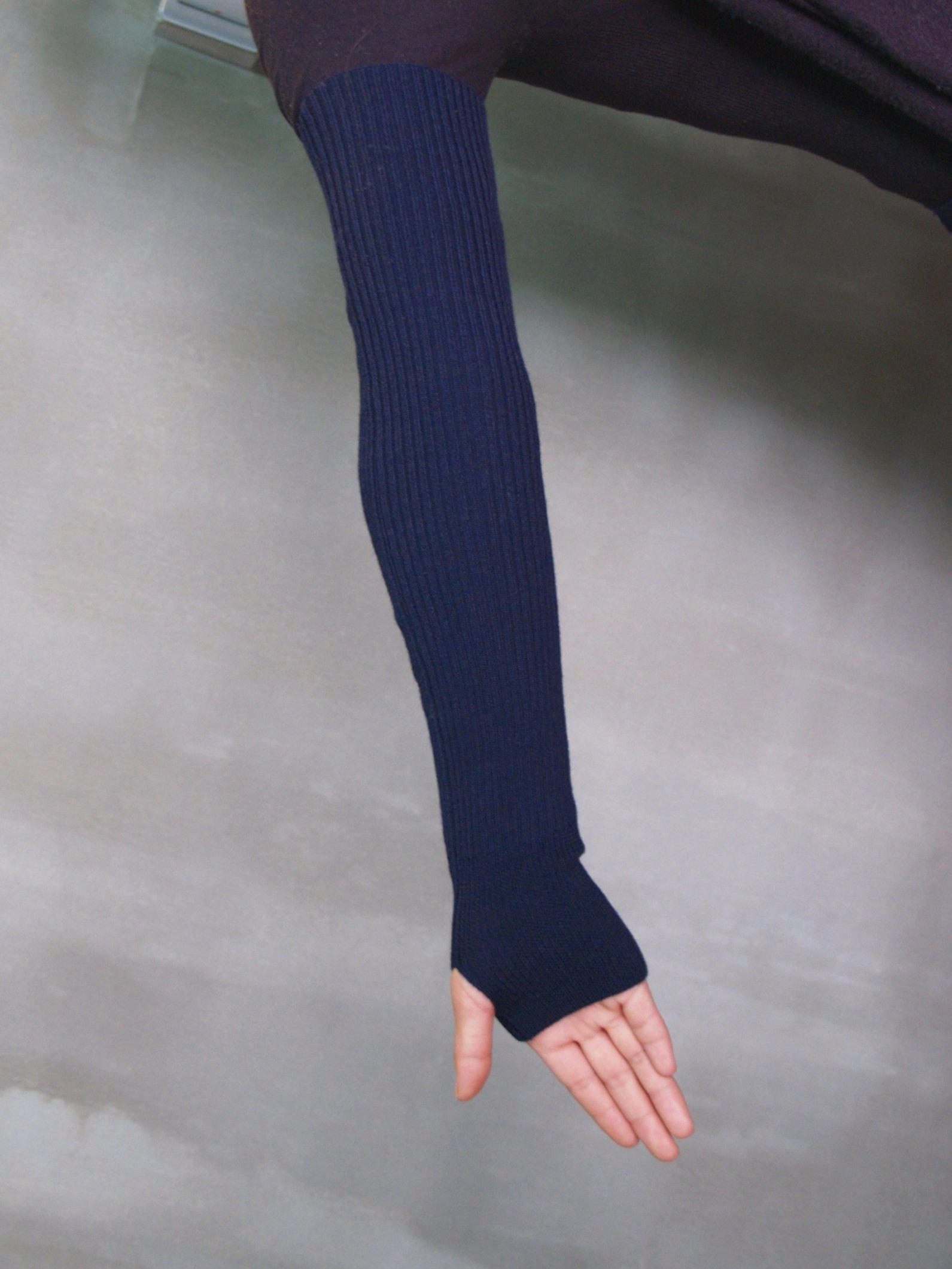
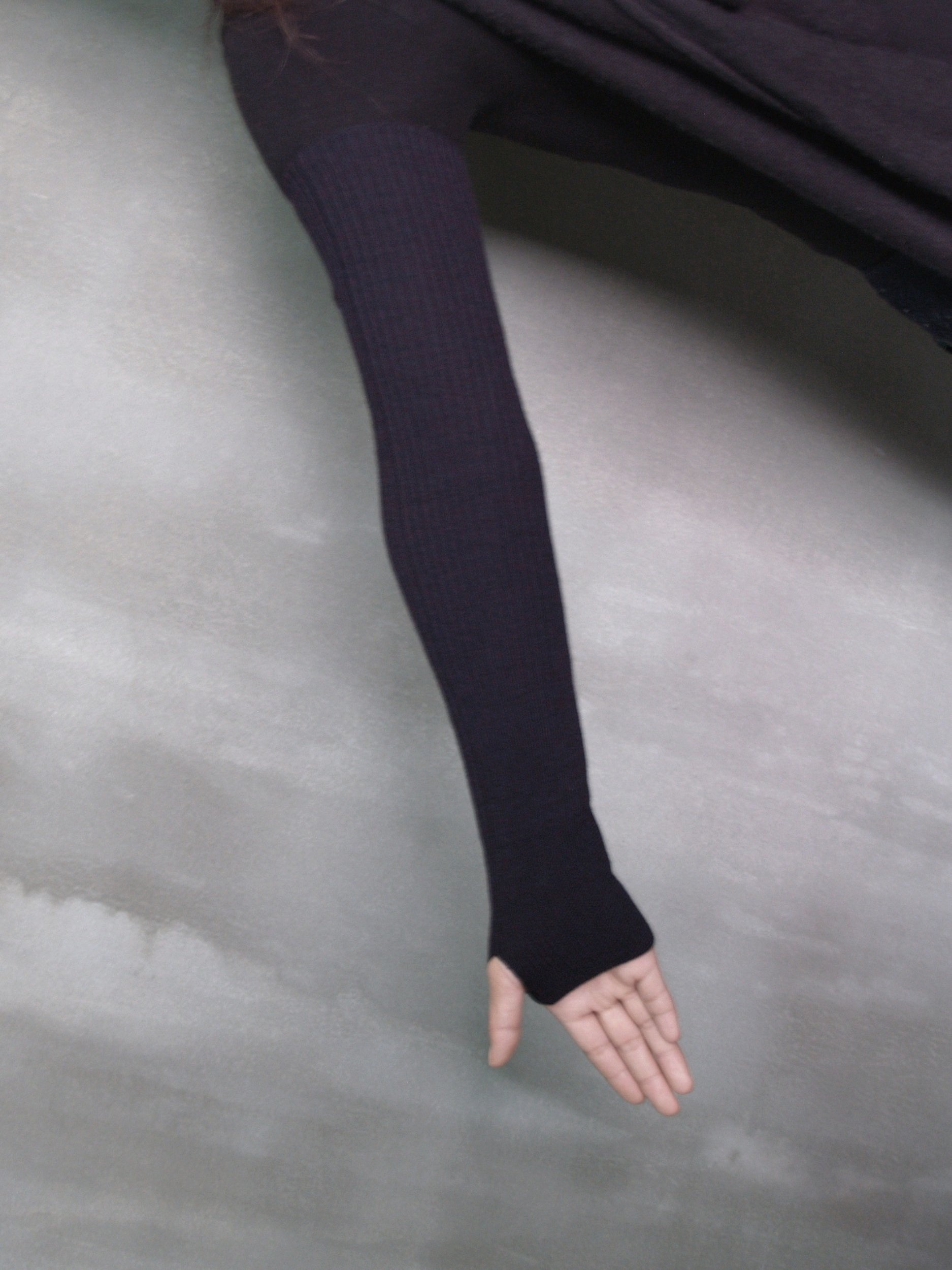
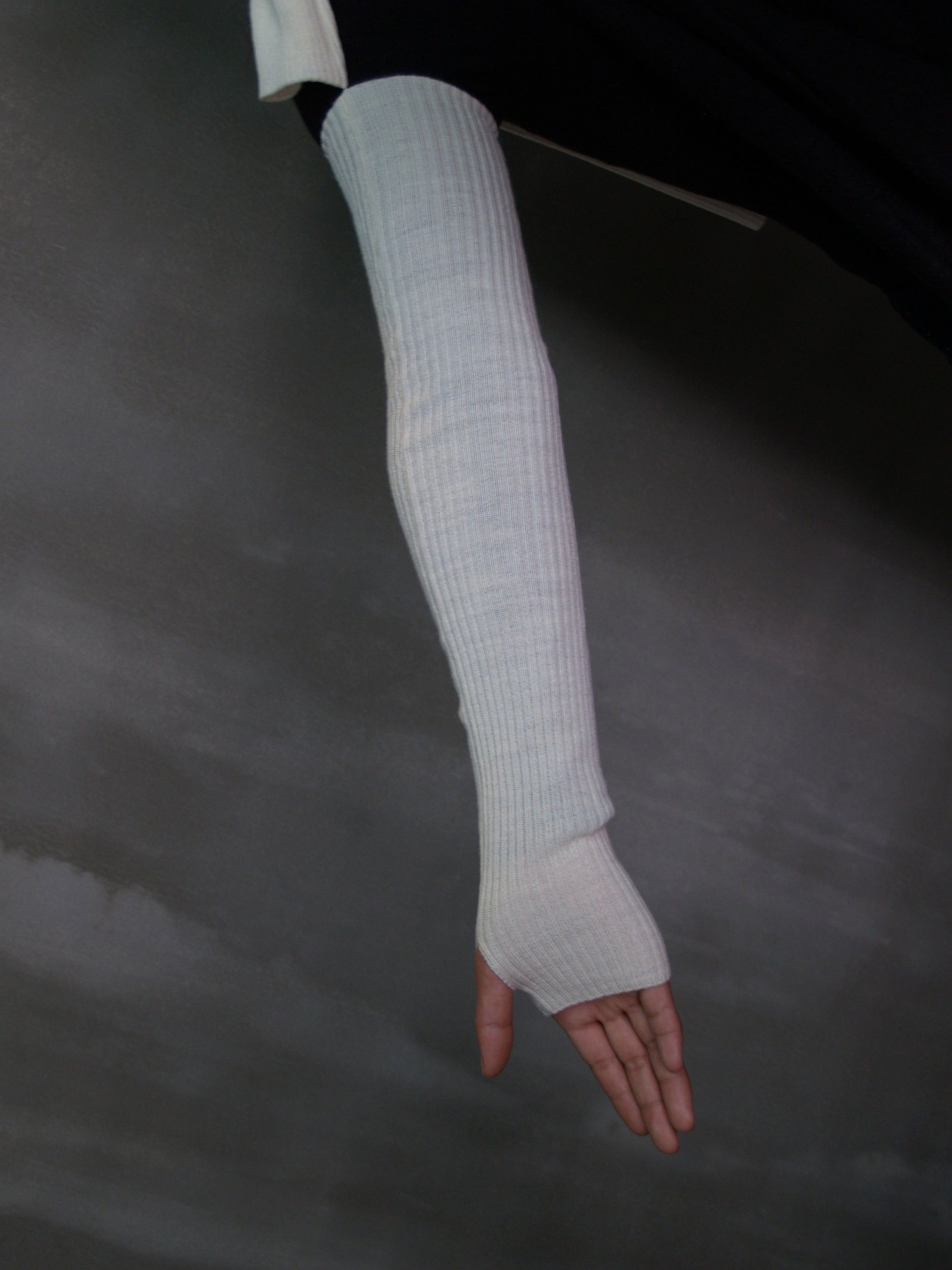
In the studio’s second year, an opportunity to buy inexpensive flatbed knitting machines from a business that had closed made it possible to establish a knitwear division. The equipment opened up experiments with different yarns and structures, including knitted pieces for the arms and neck. Some were developed with the autumn and winter climate of southern China in mind.
Working with the character of each material
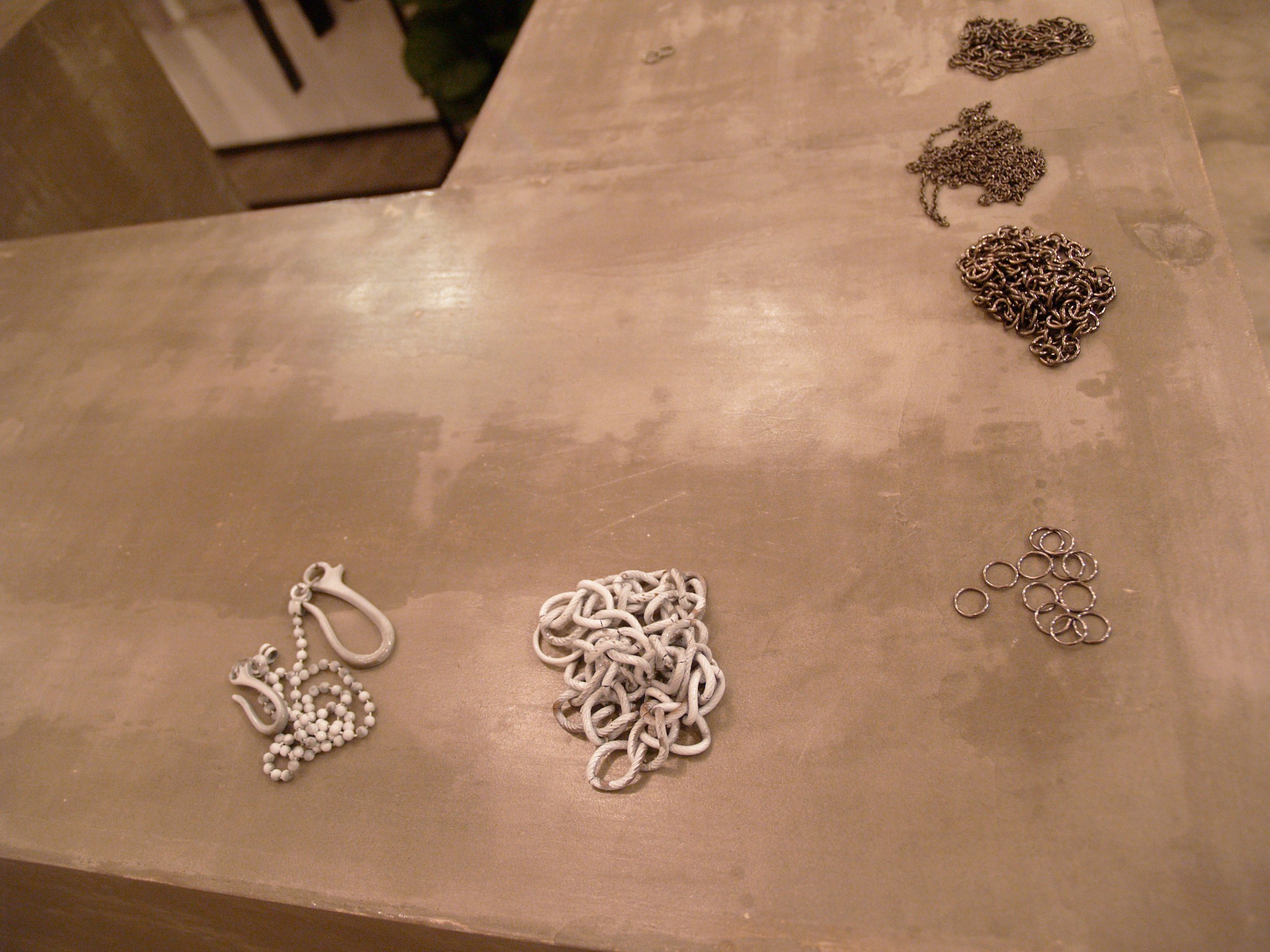
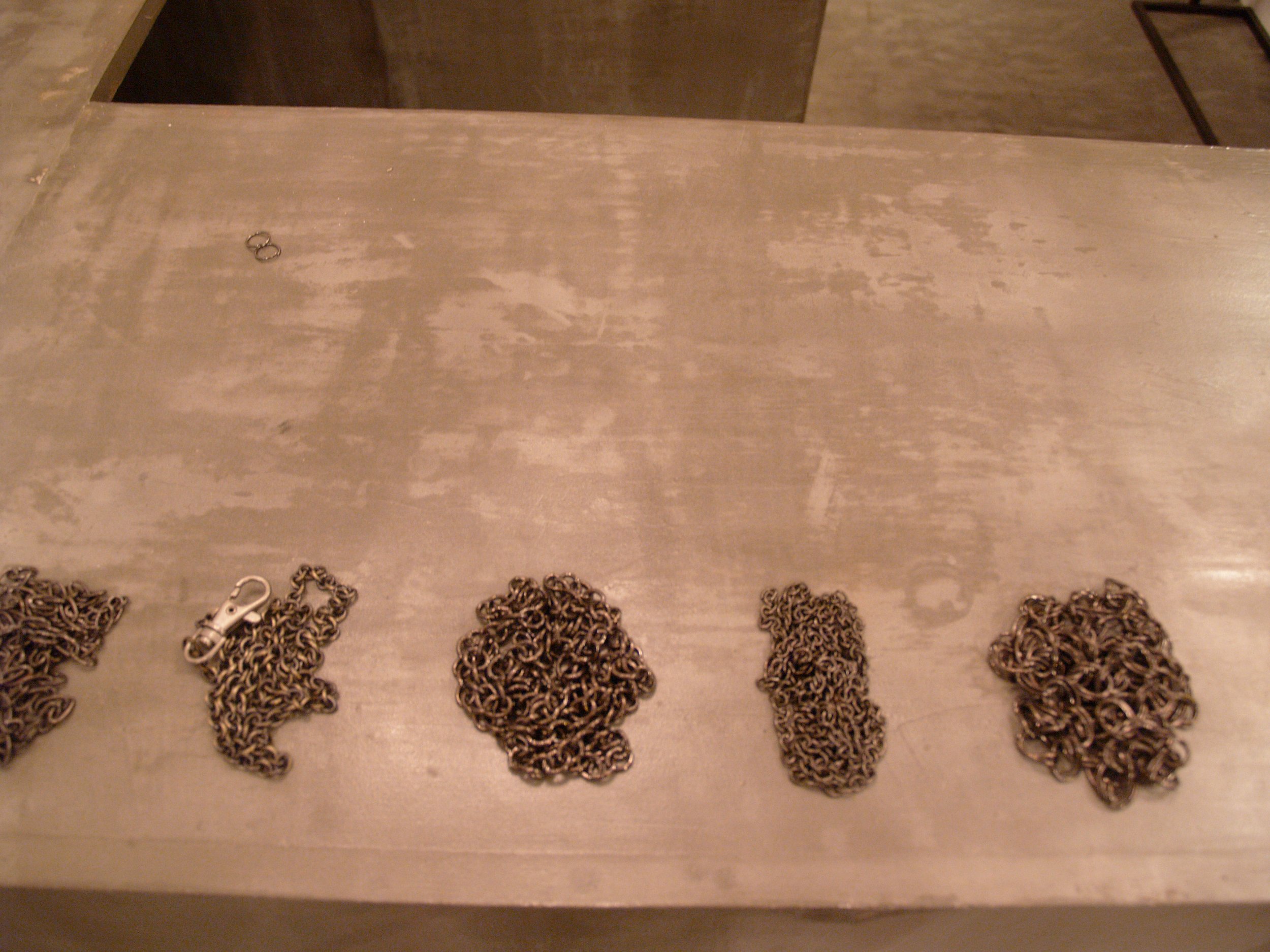
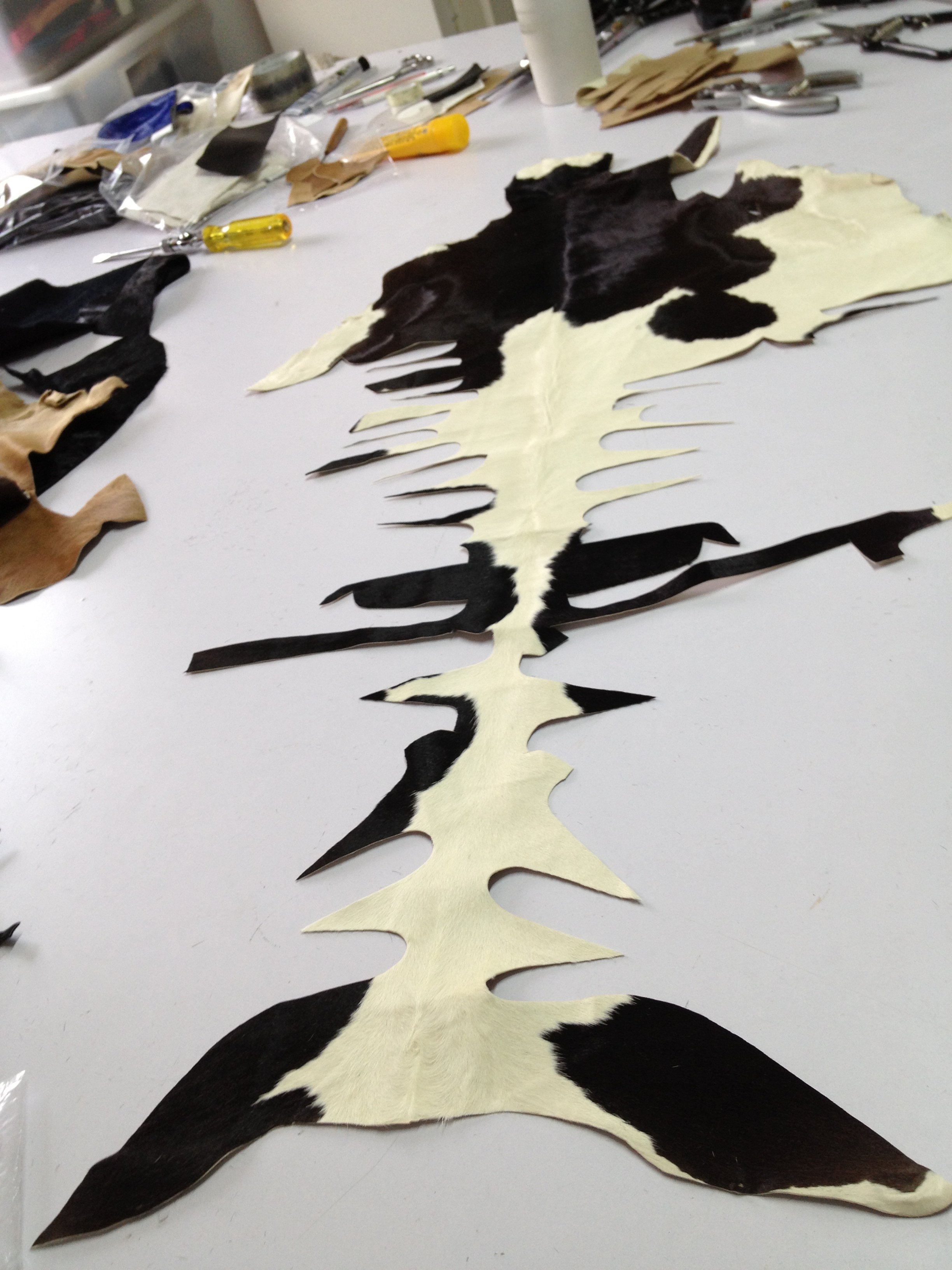
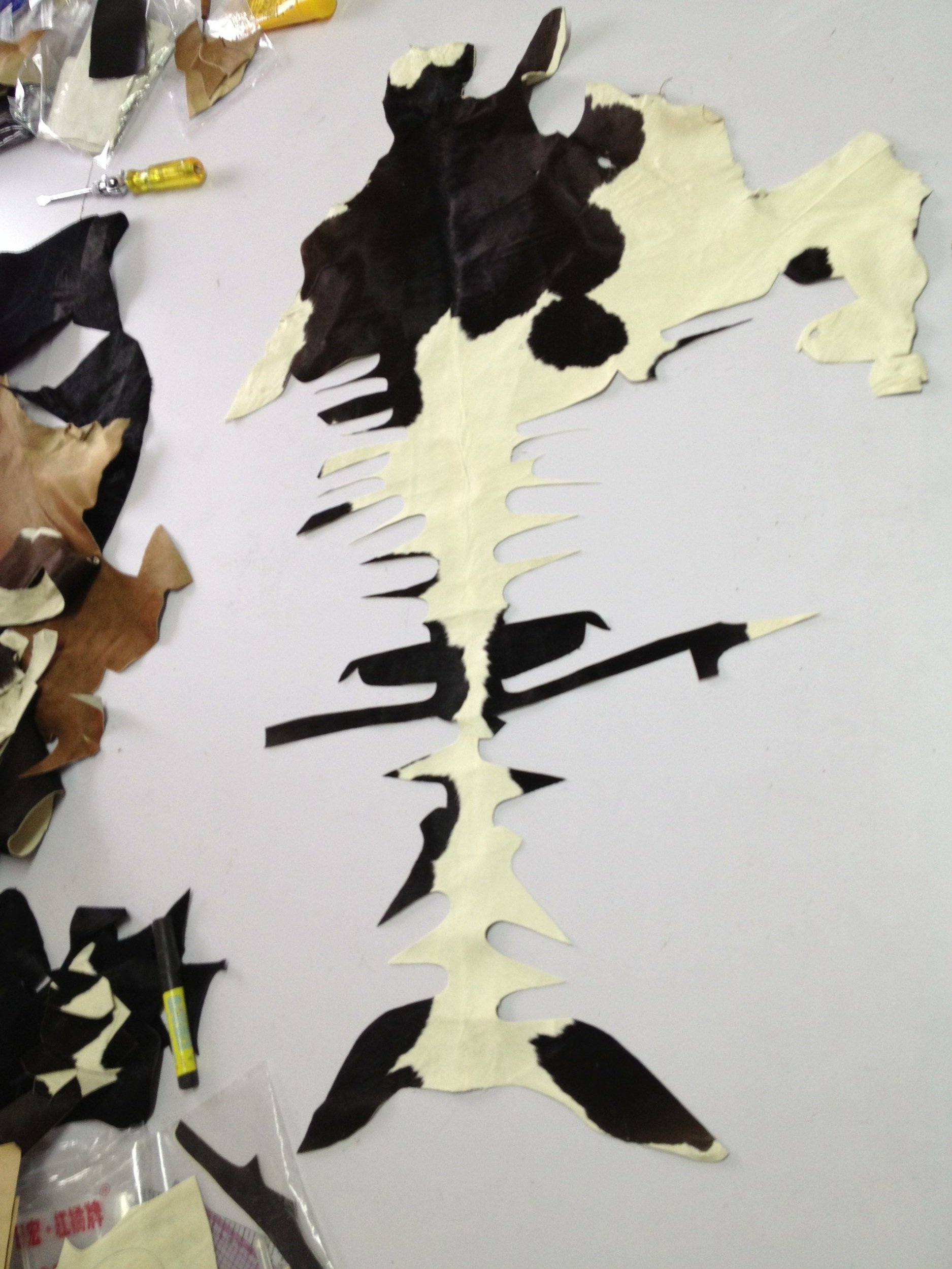
Over time, the team collected leather-market samples in different colours, finishes and textures, including cowhide, goatskin and hair-on materials. Metal components came from the trims and accessories markets. Once the main garment pieces had been cut, the remaining edges and smaller sections became material for another set of products.
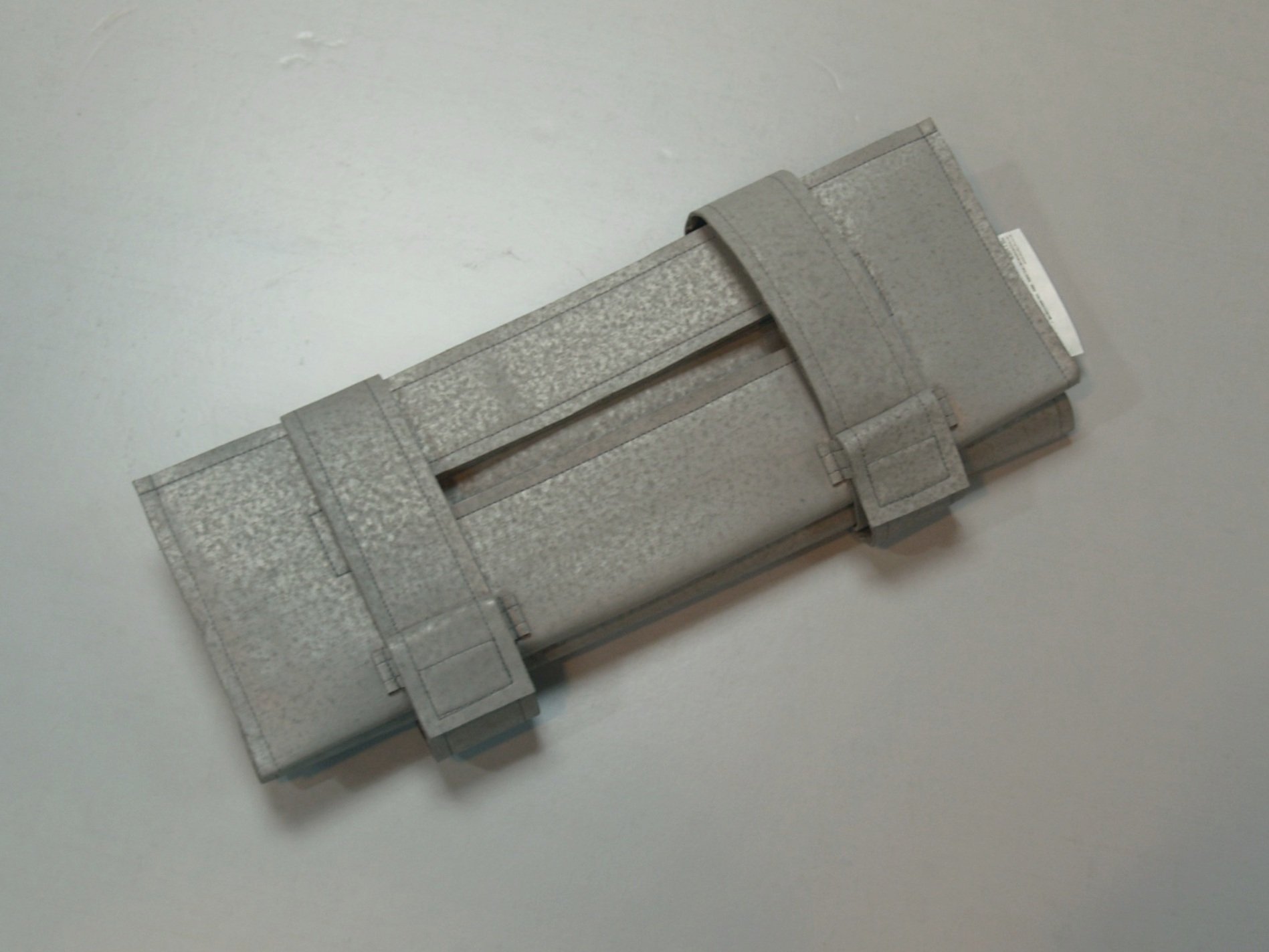
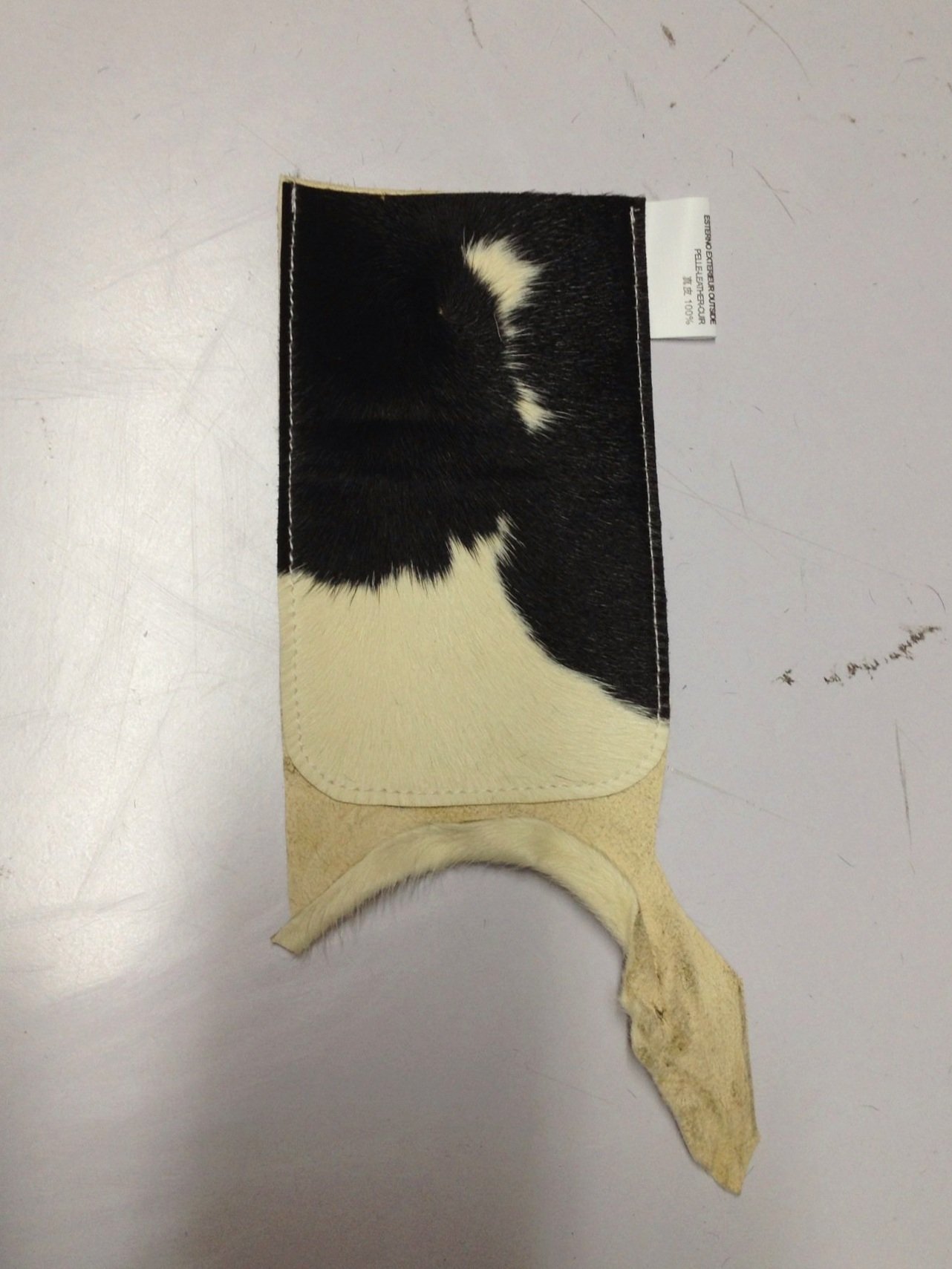
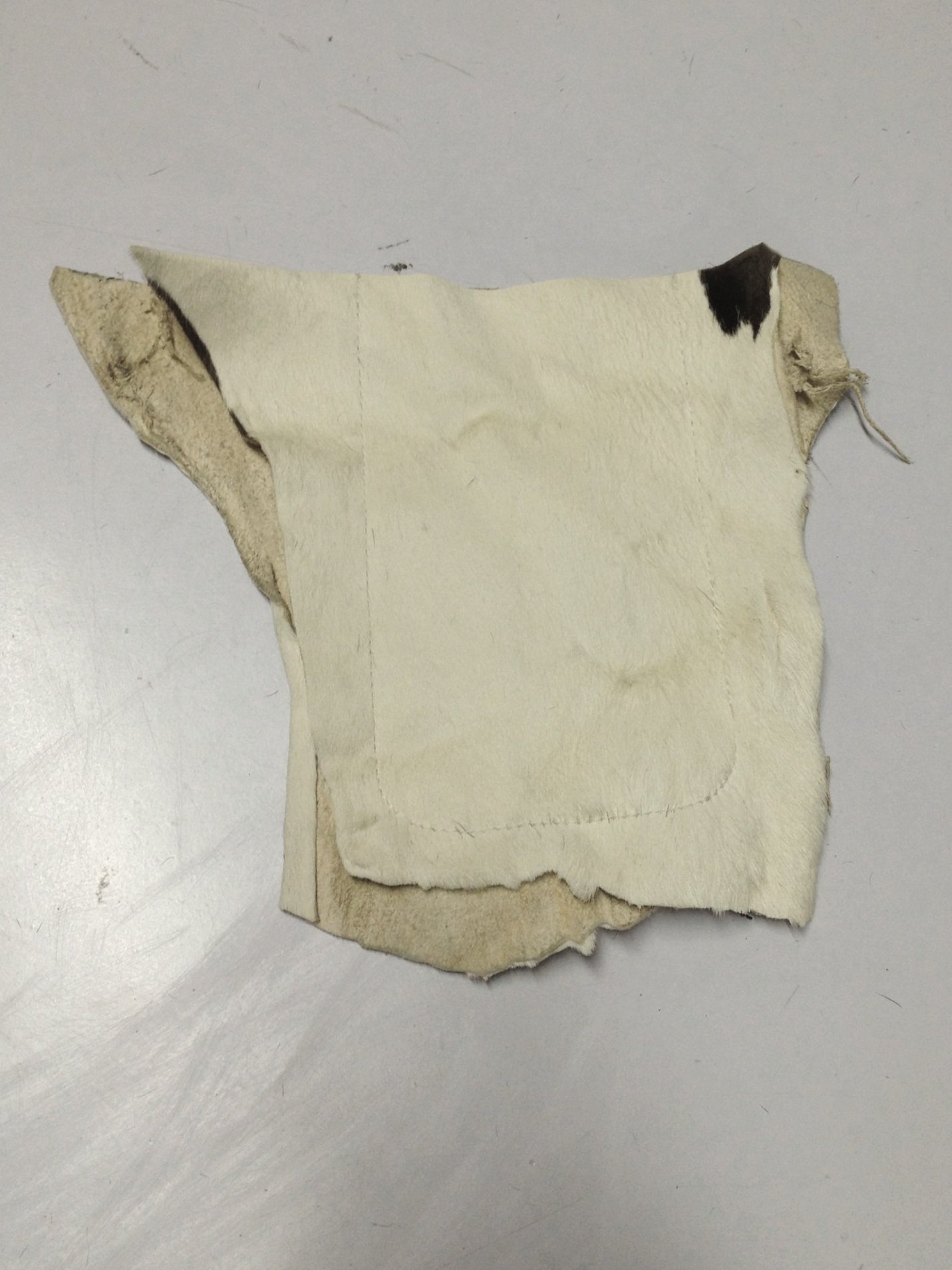
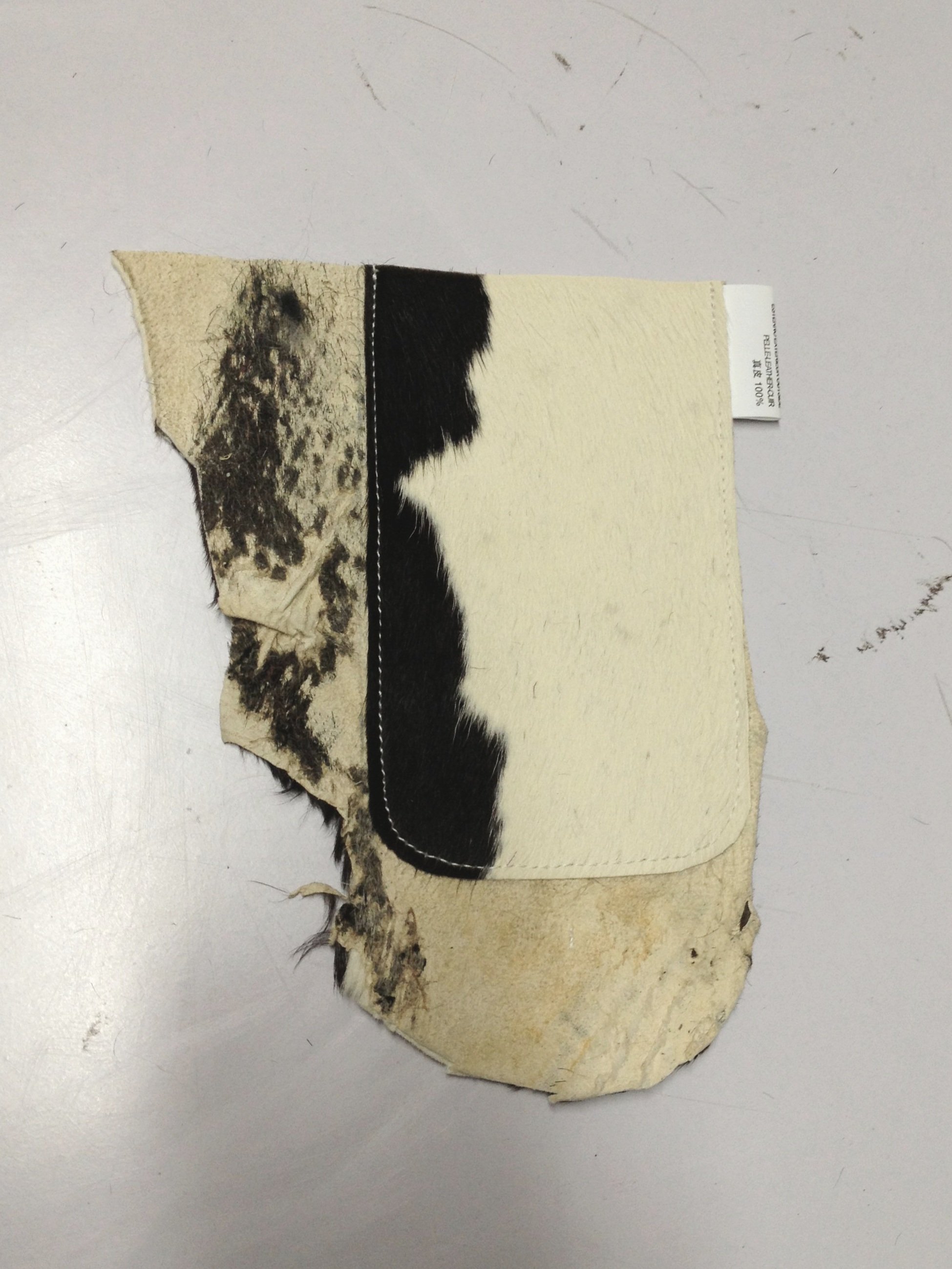
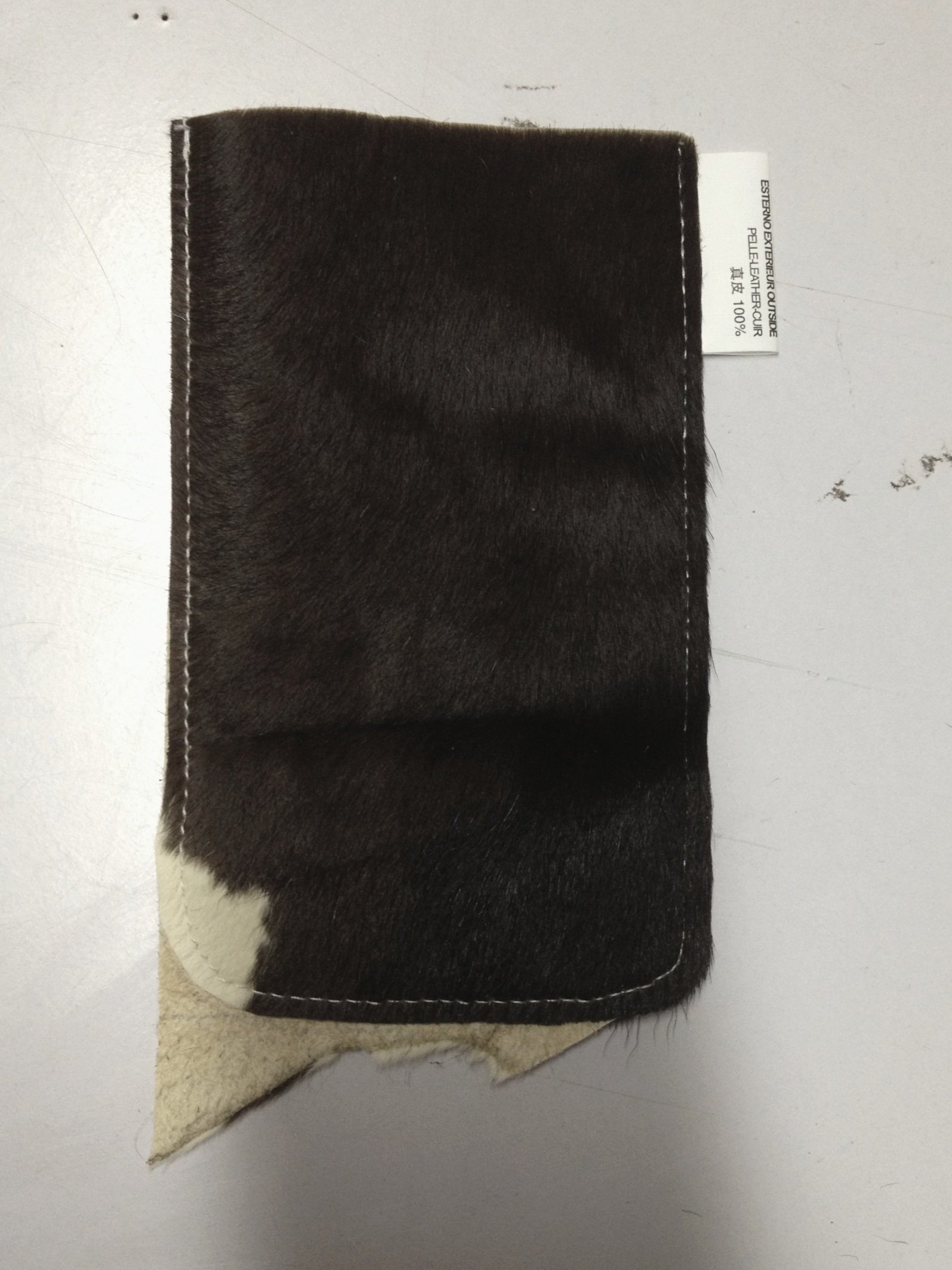
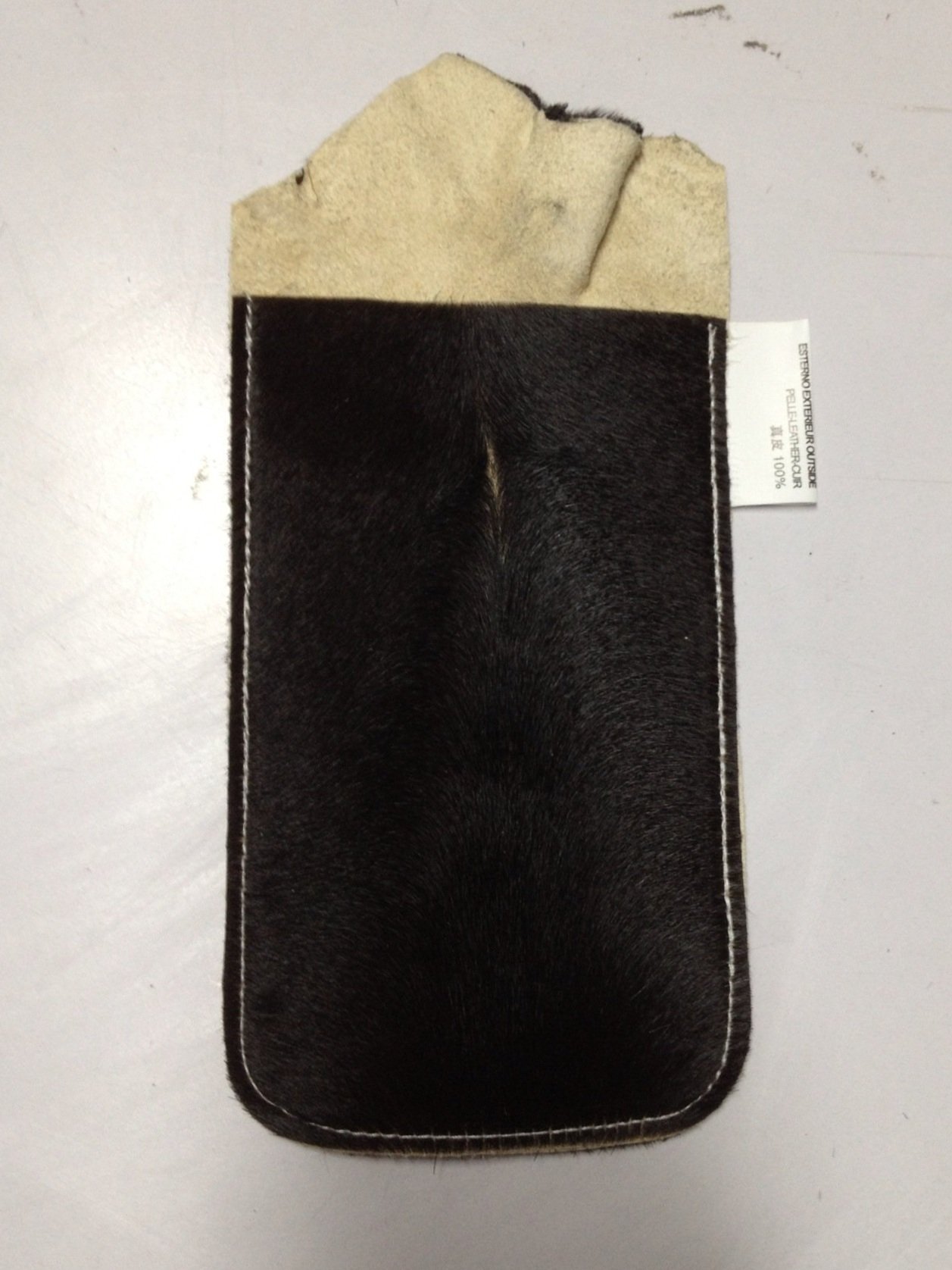
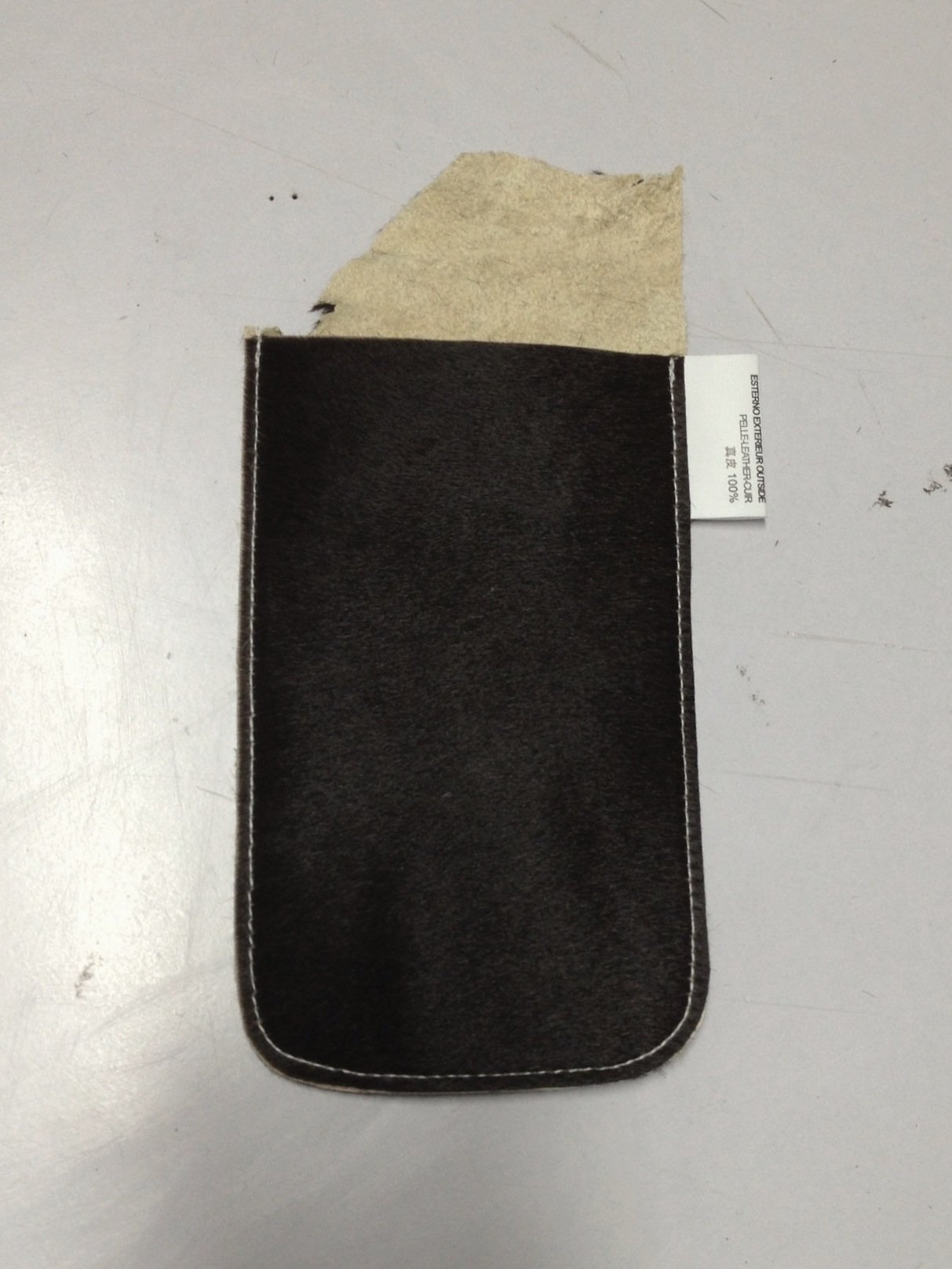
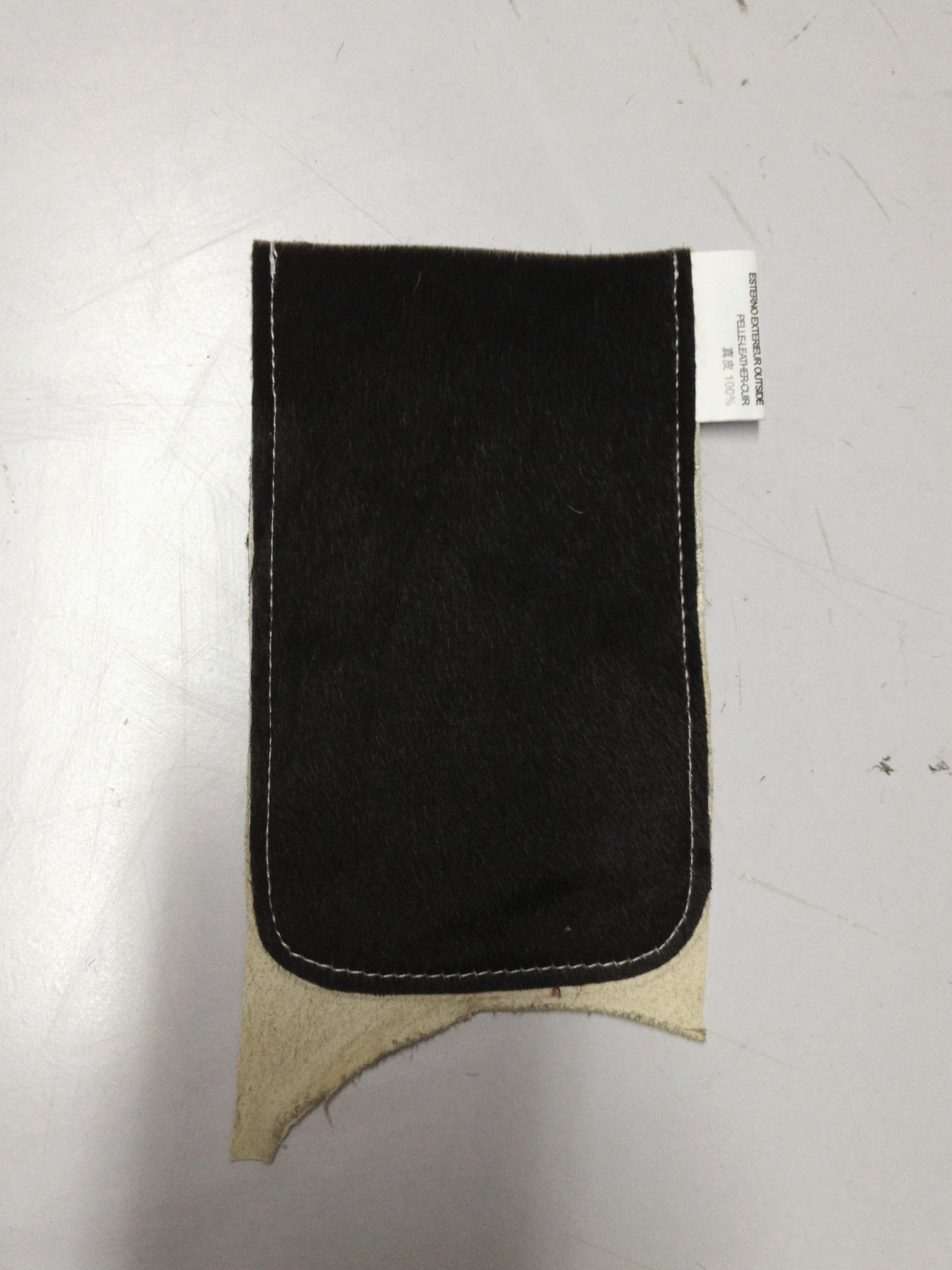
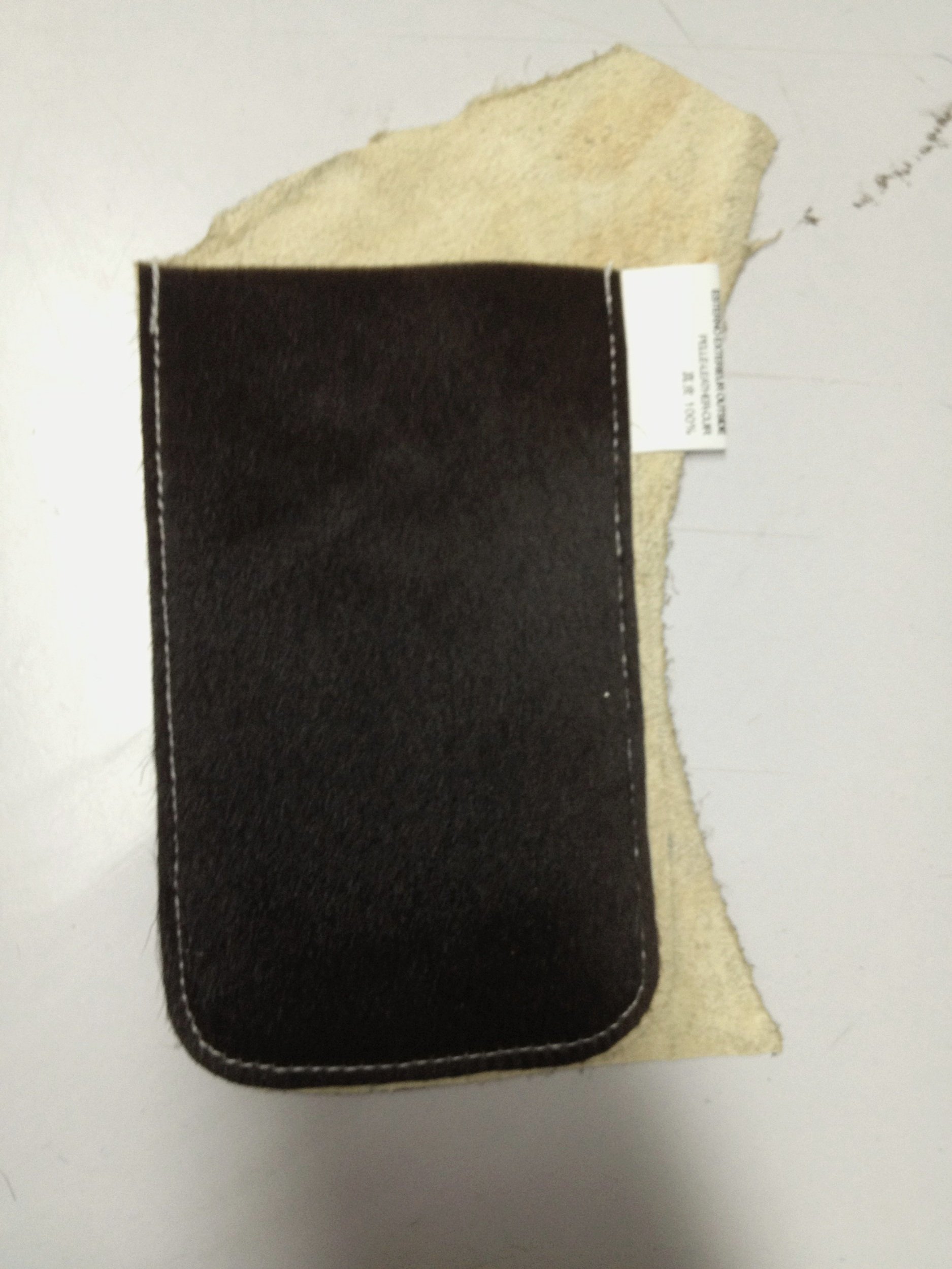
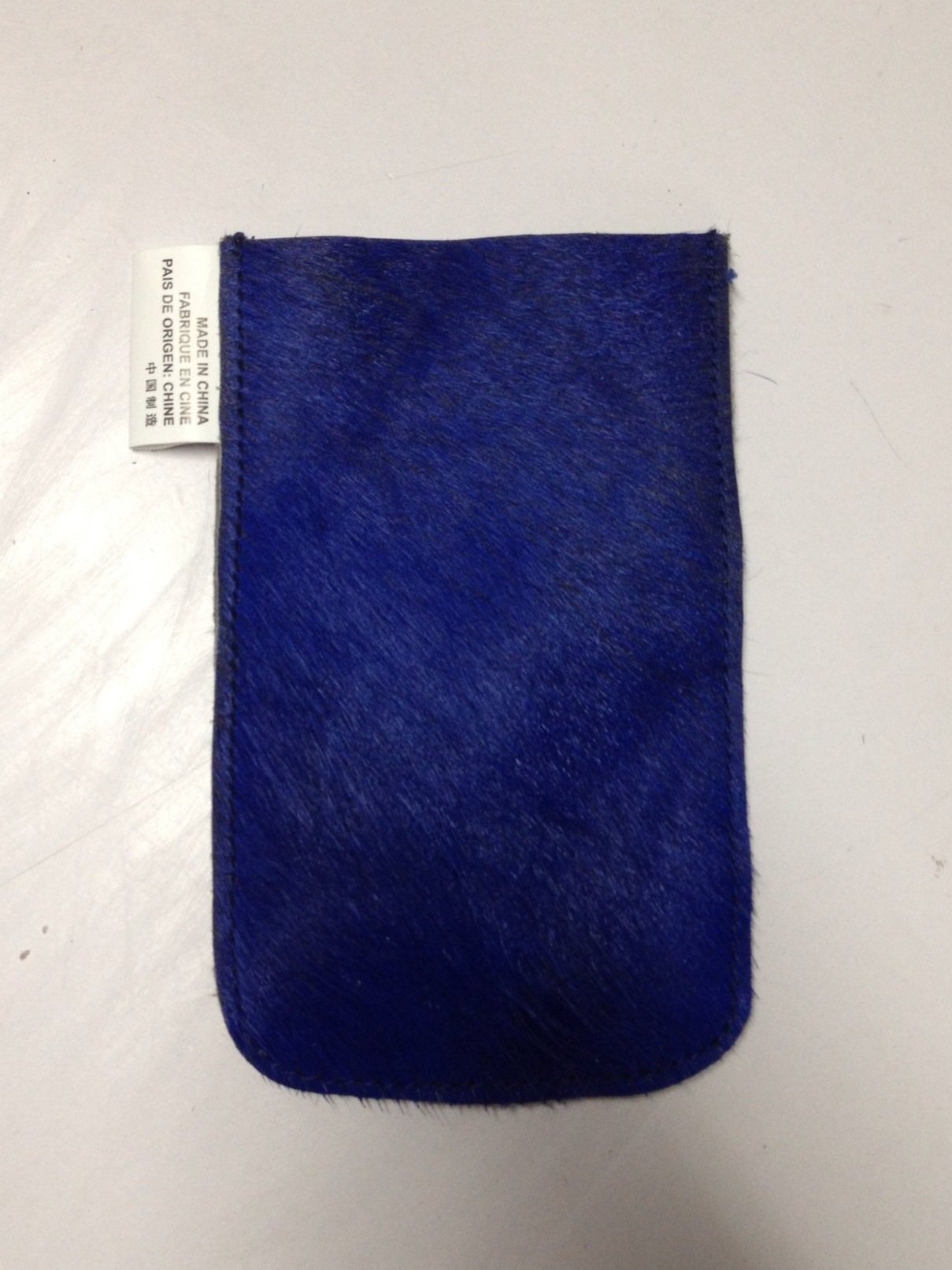
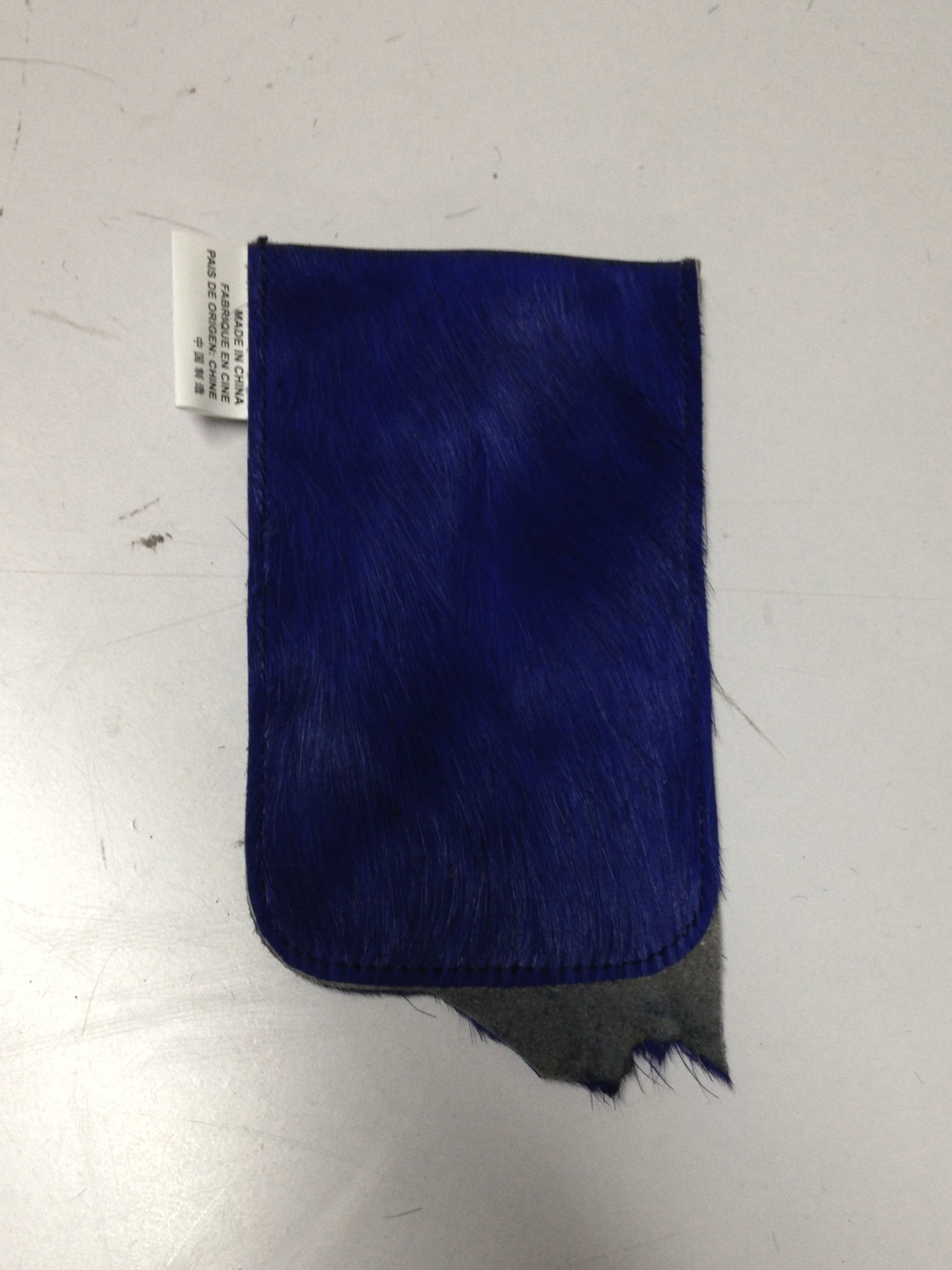
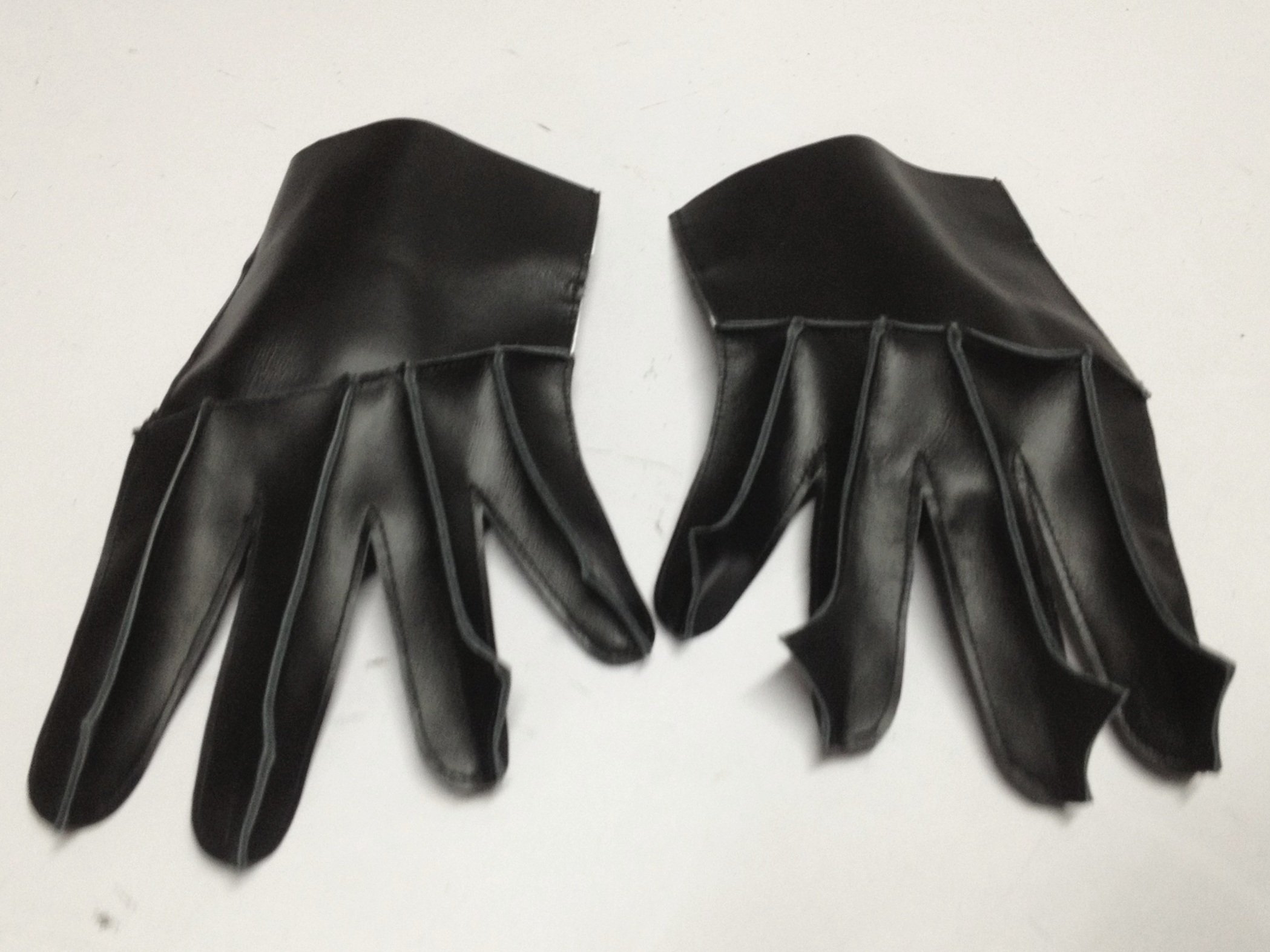
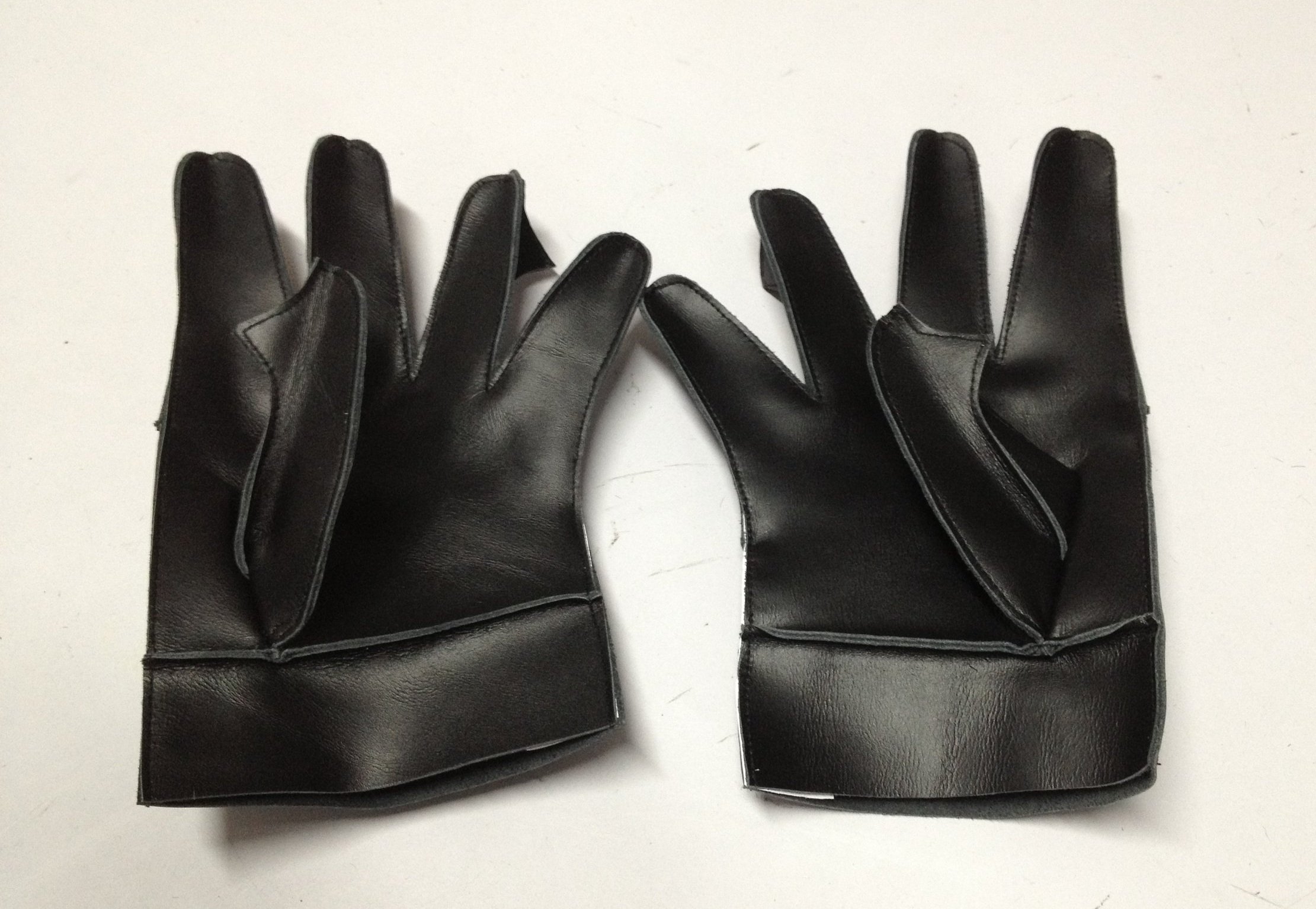
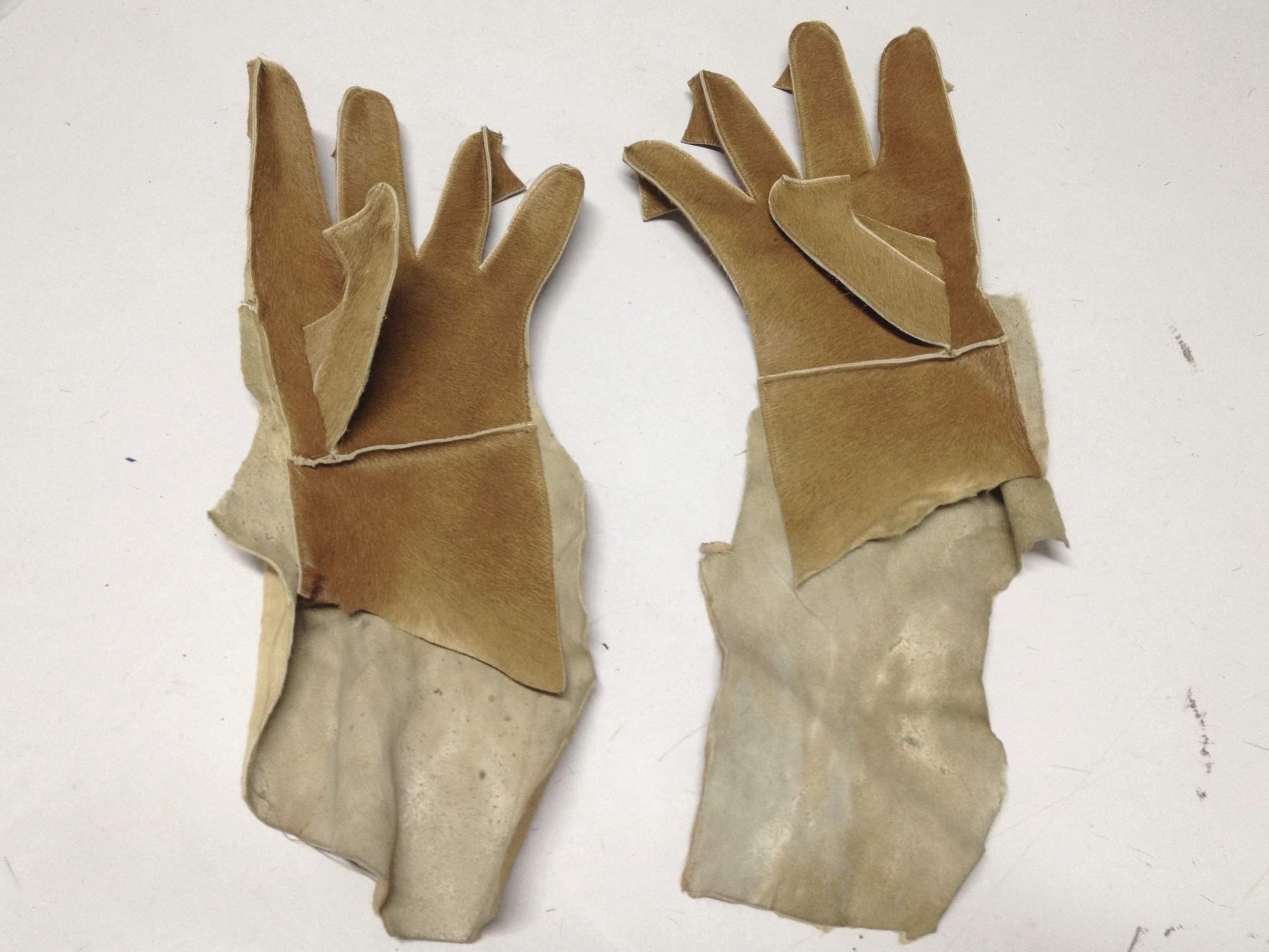
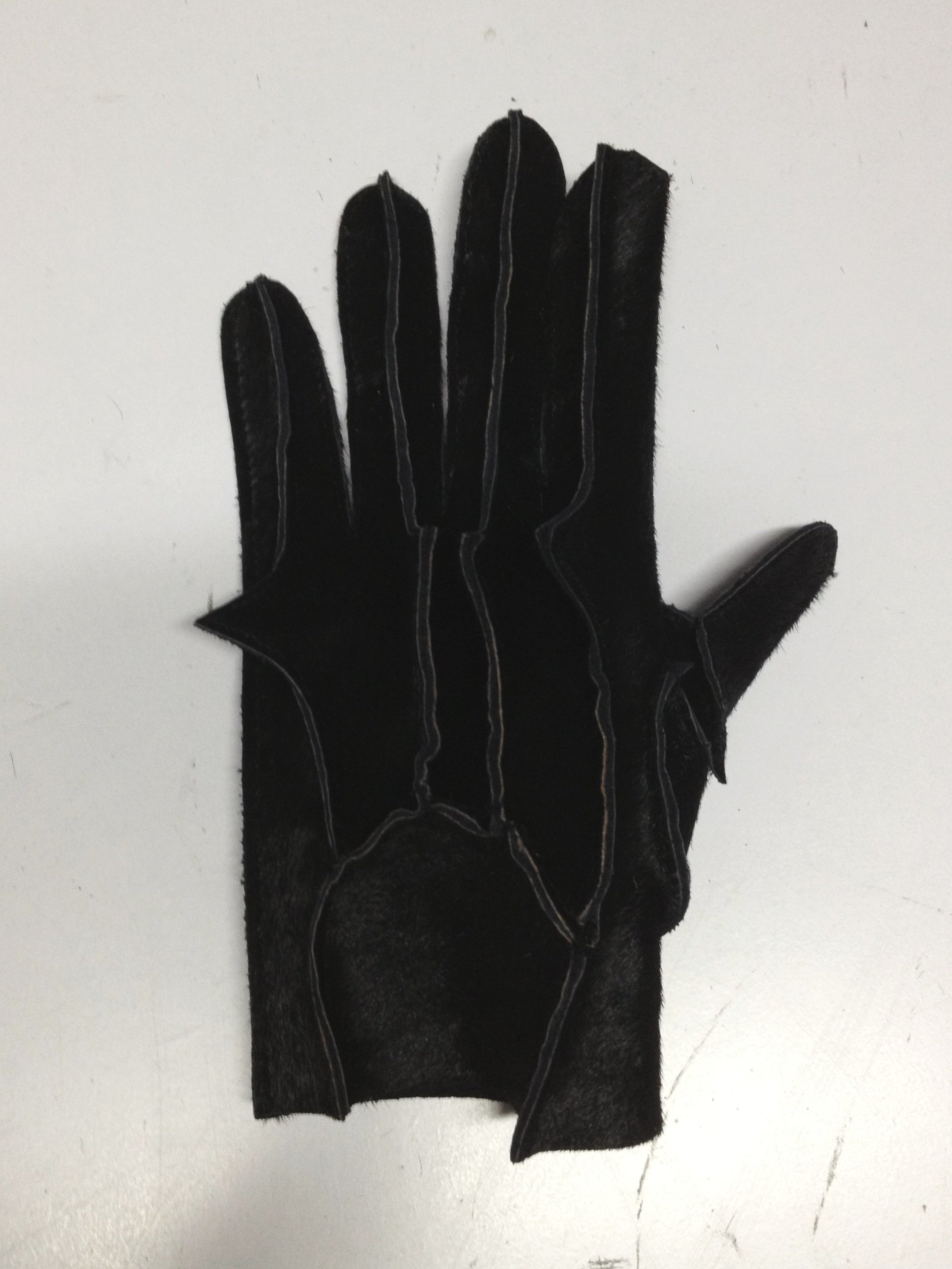
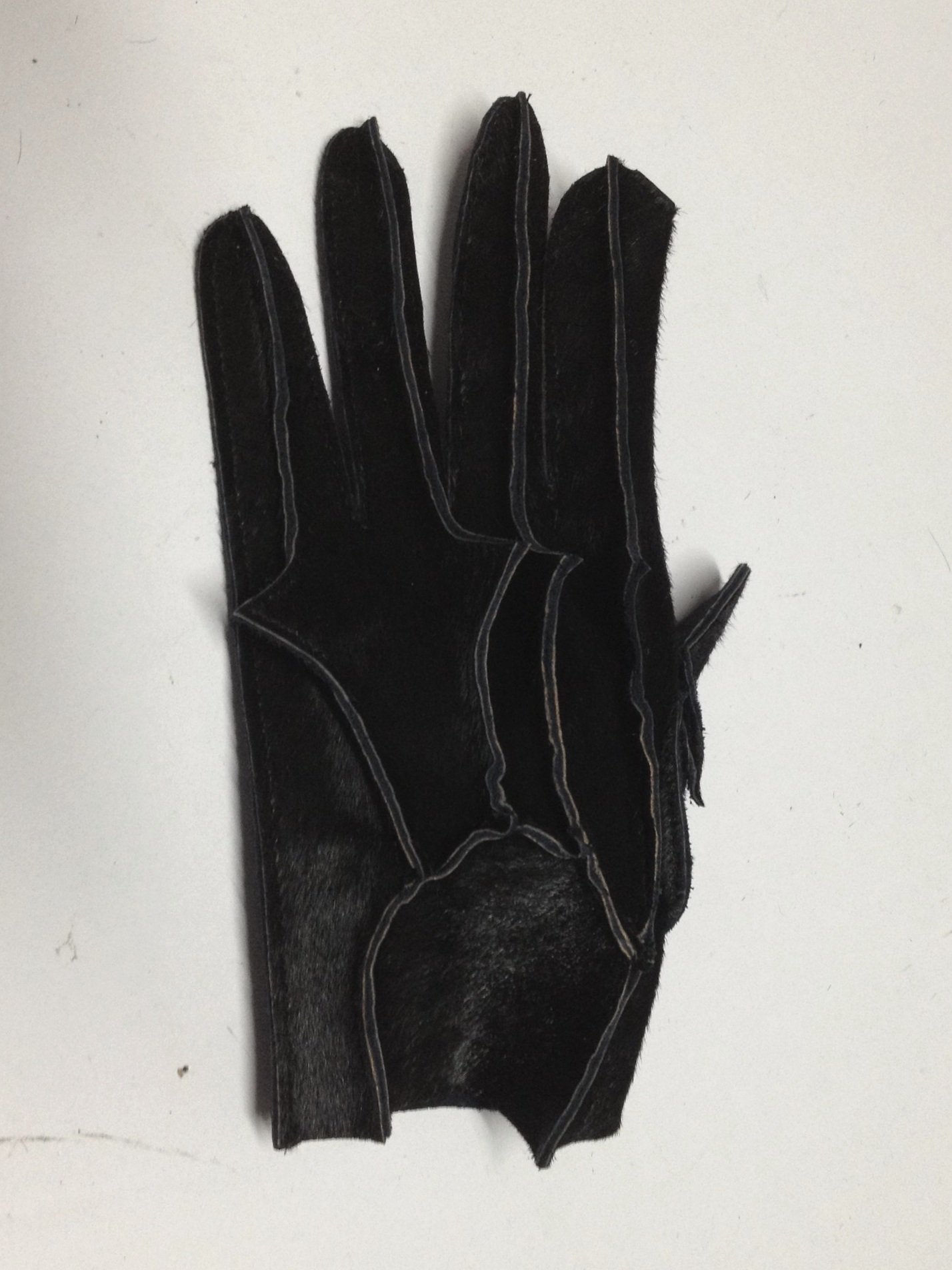
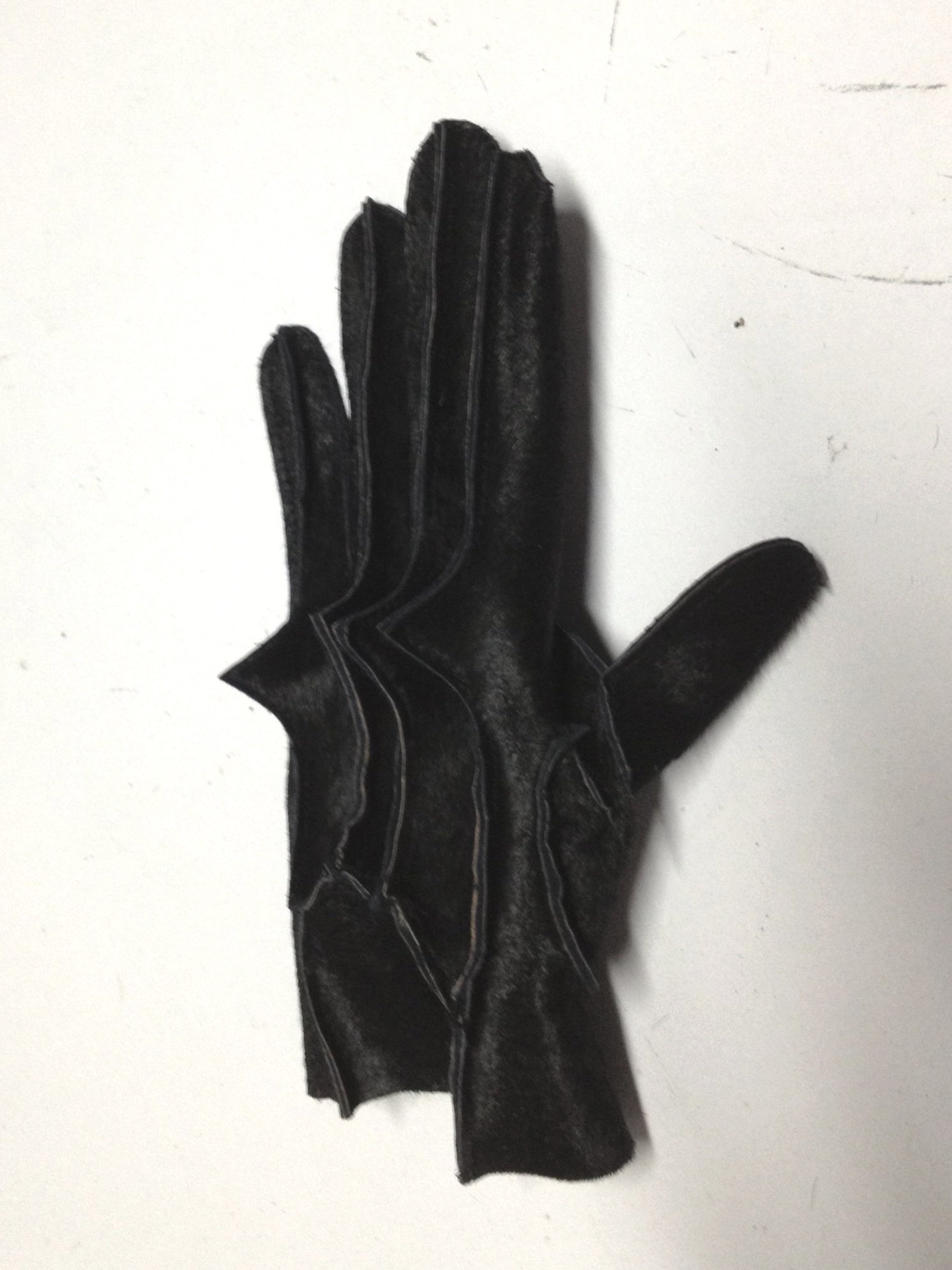
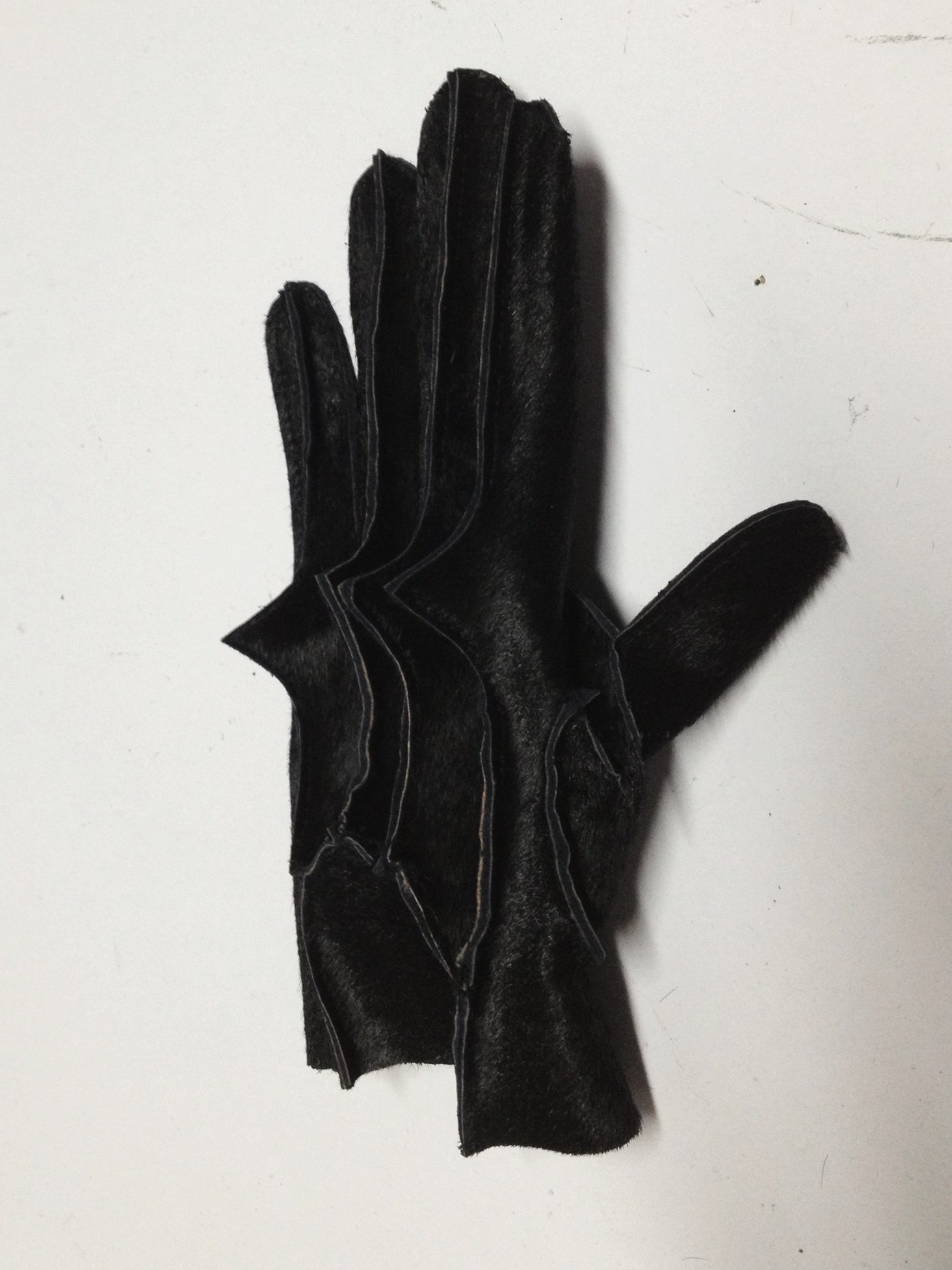
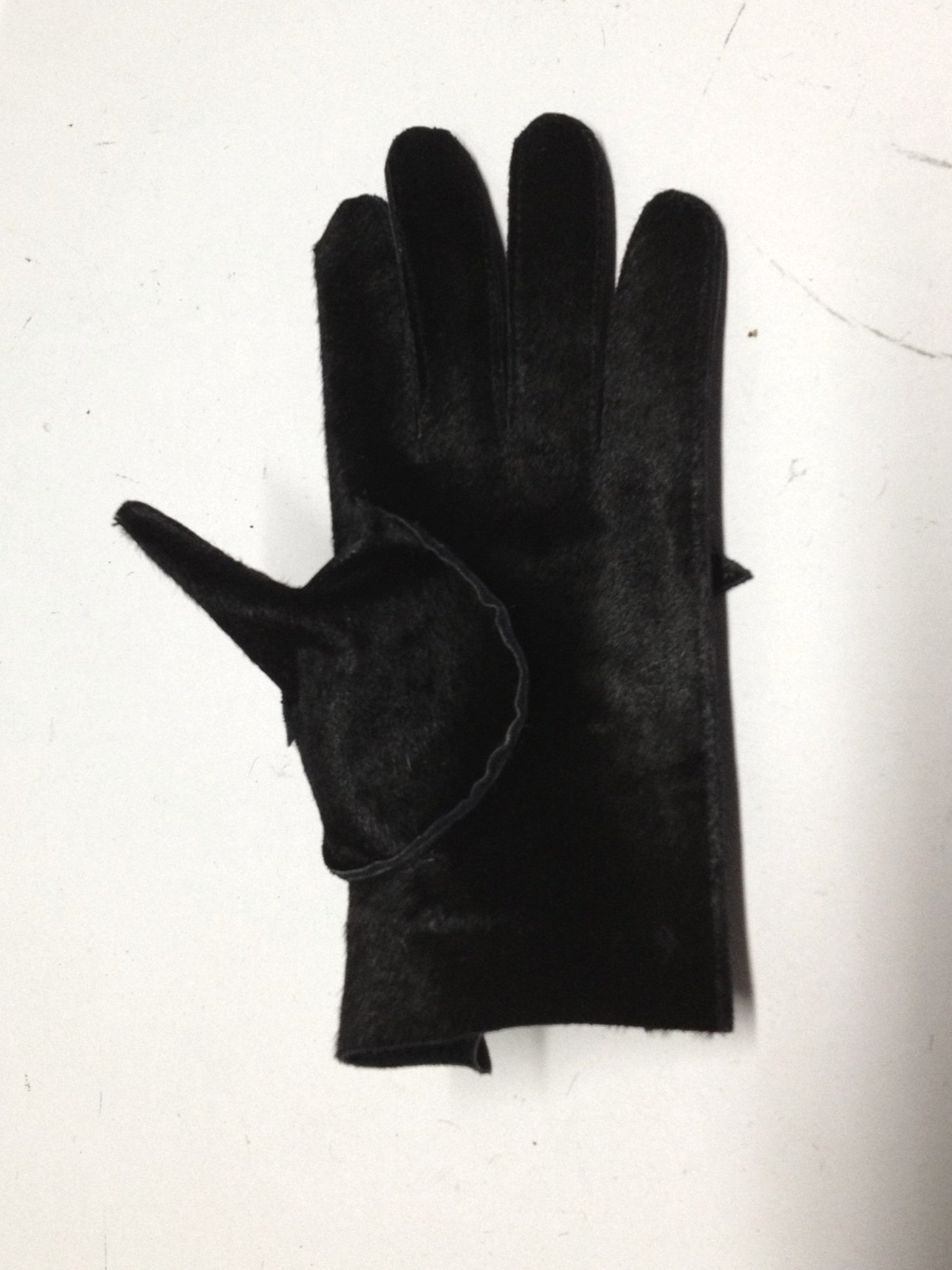
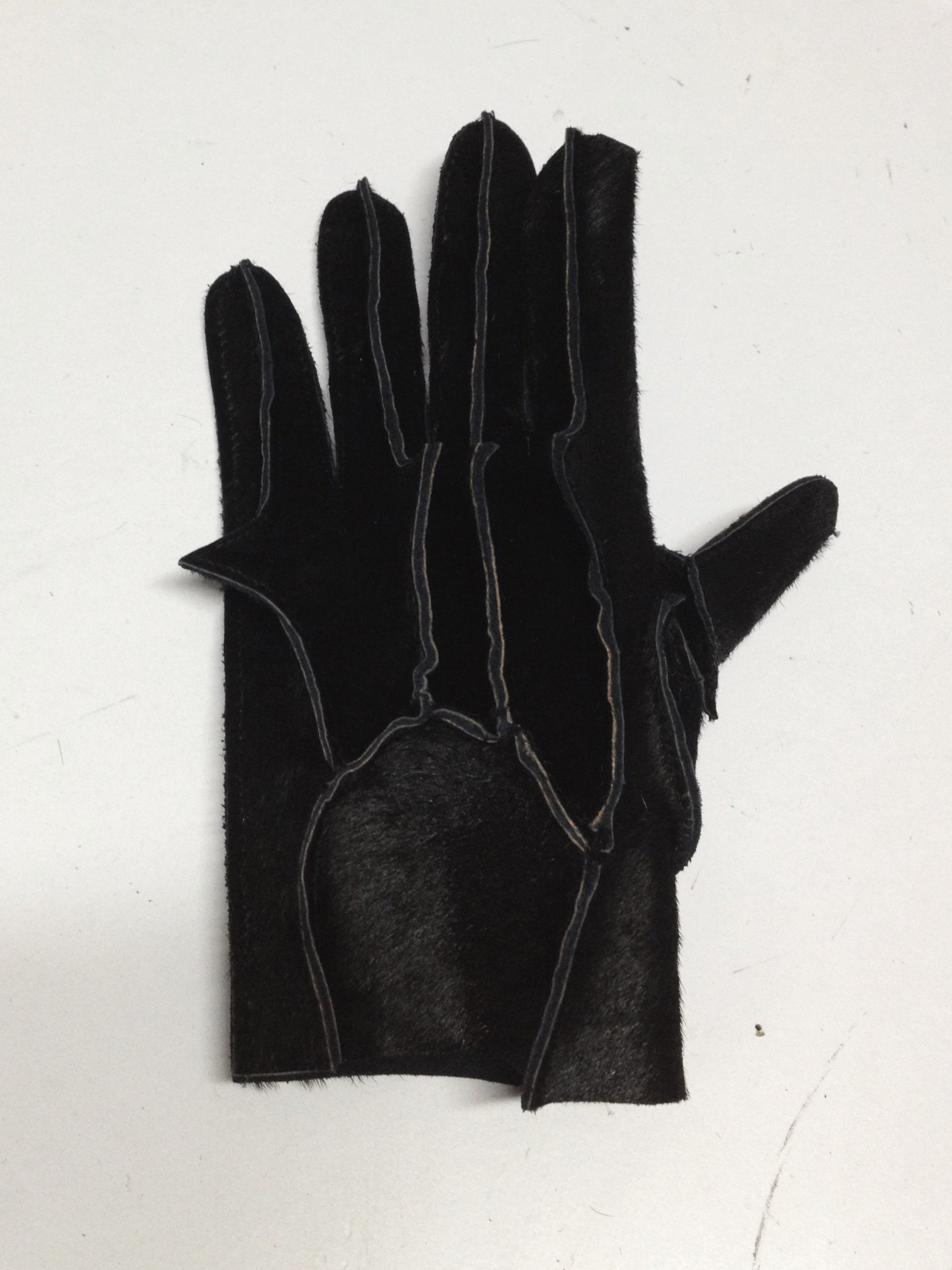
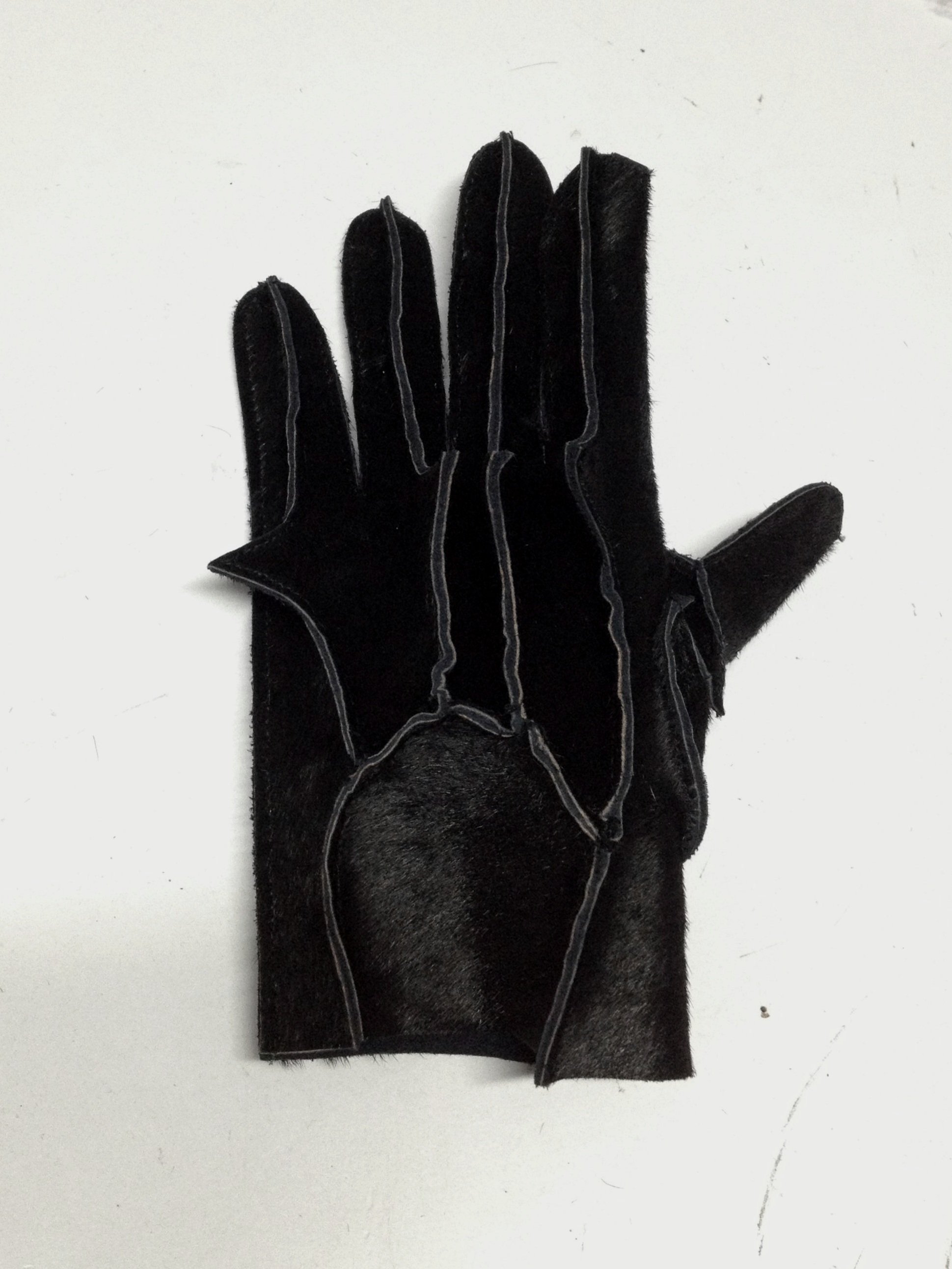
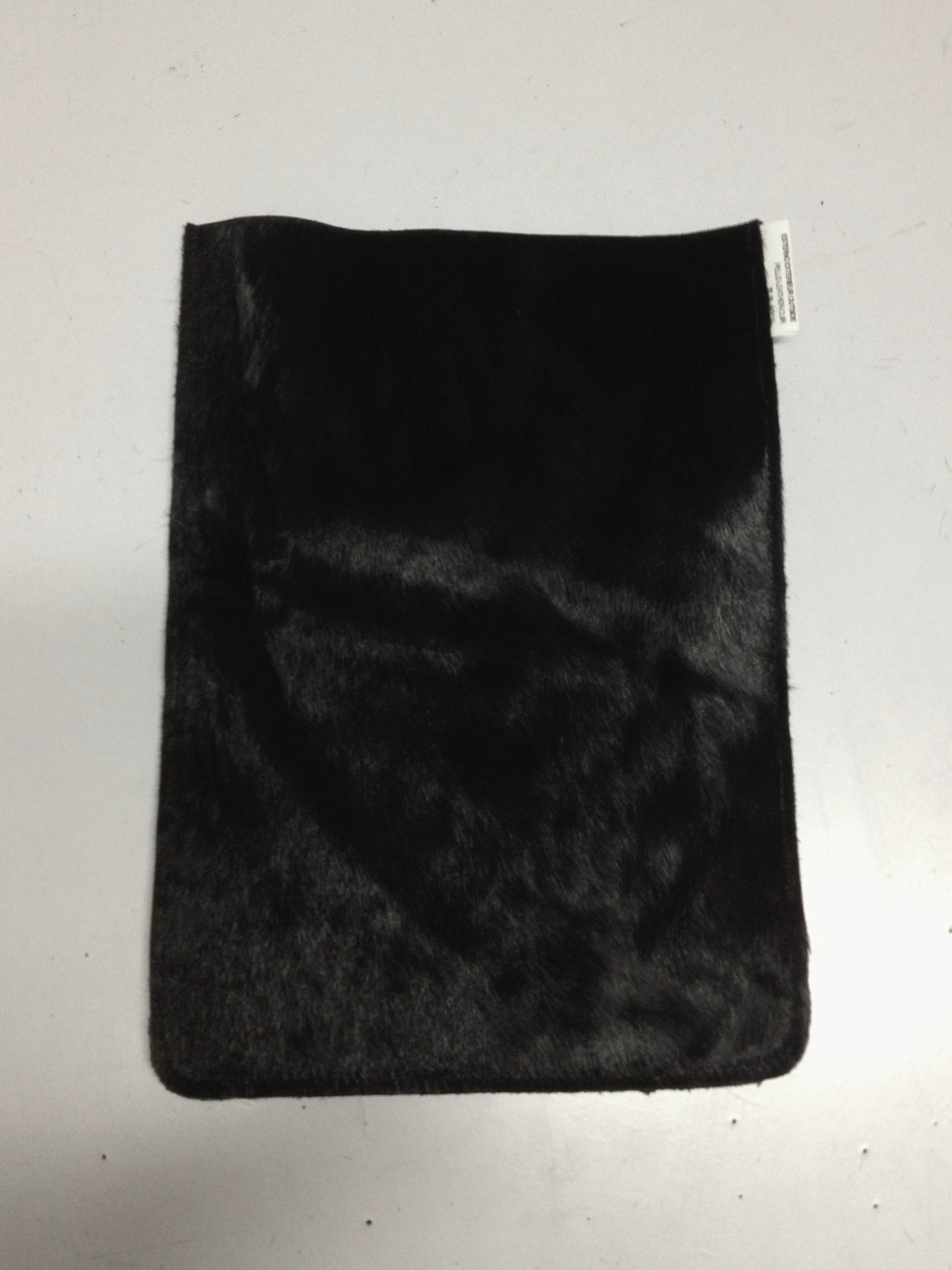
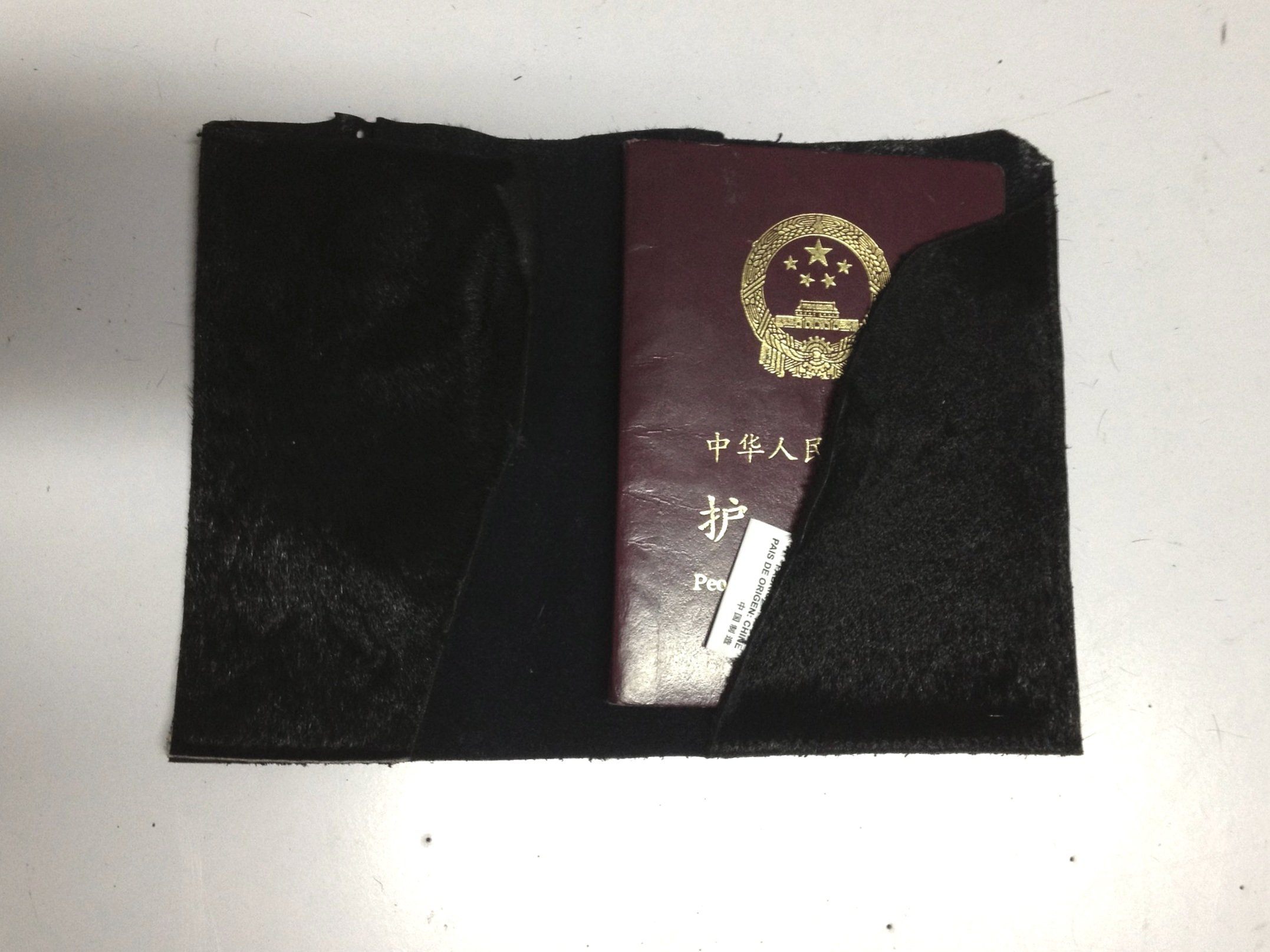
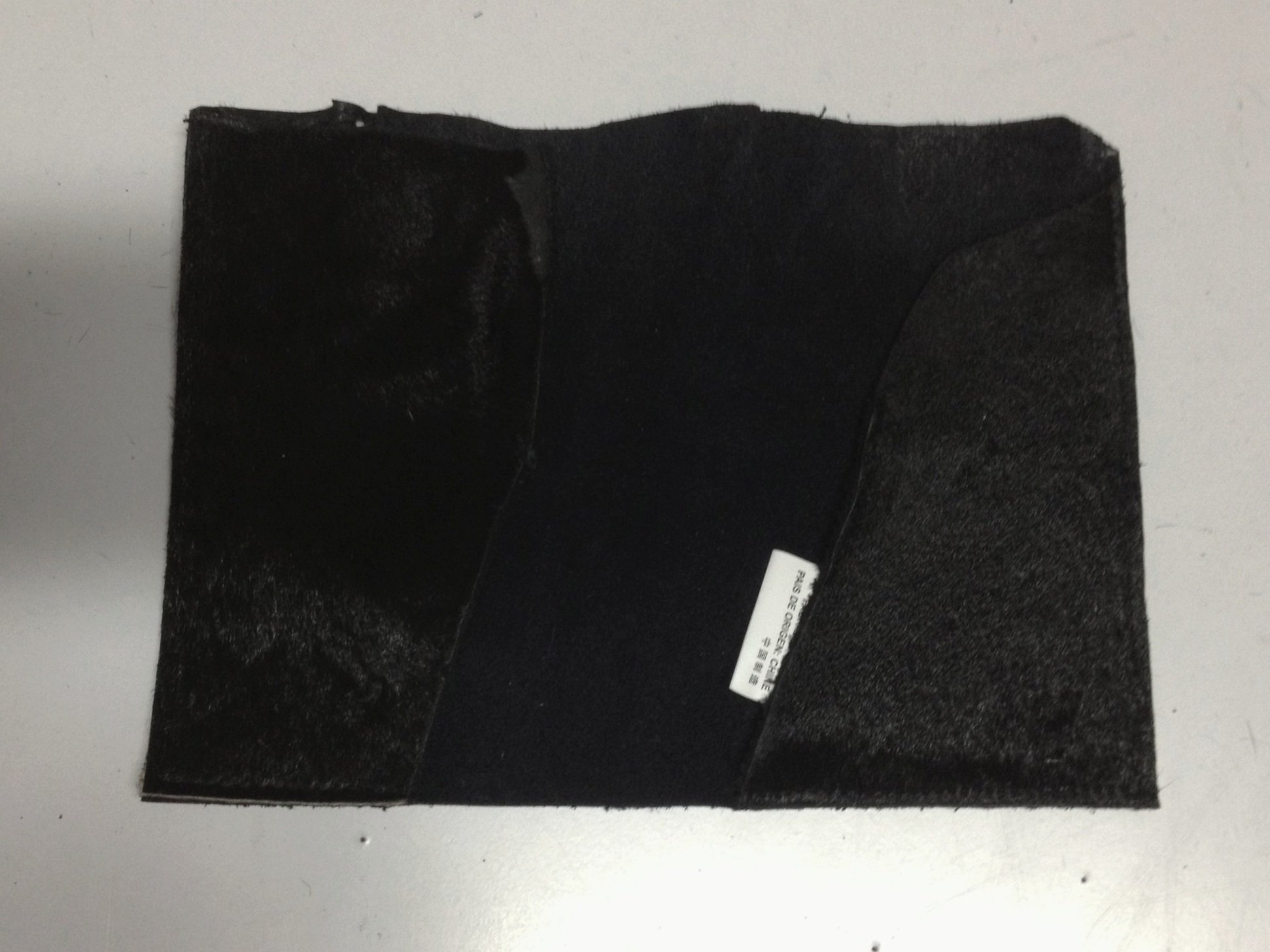
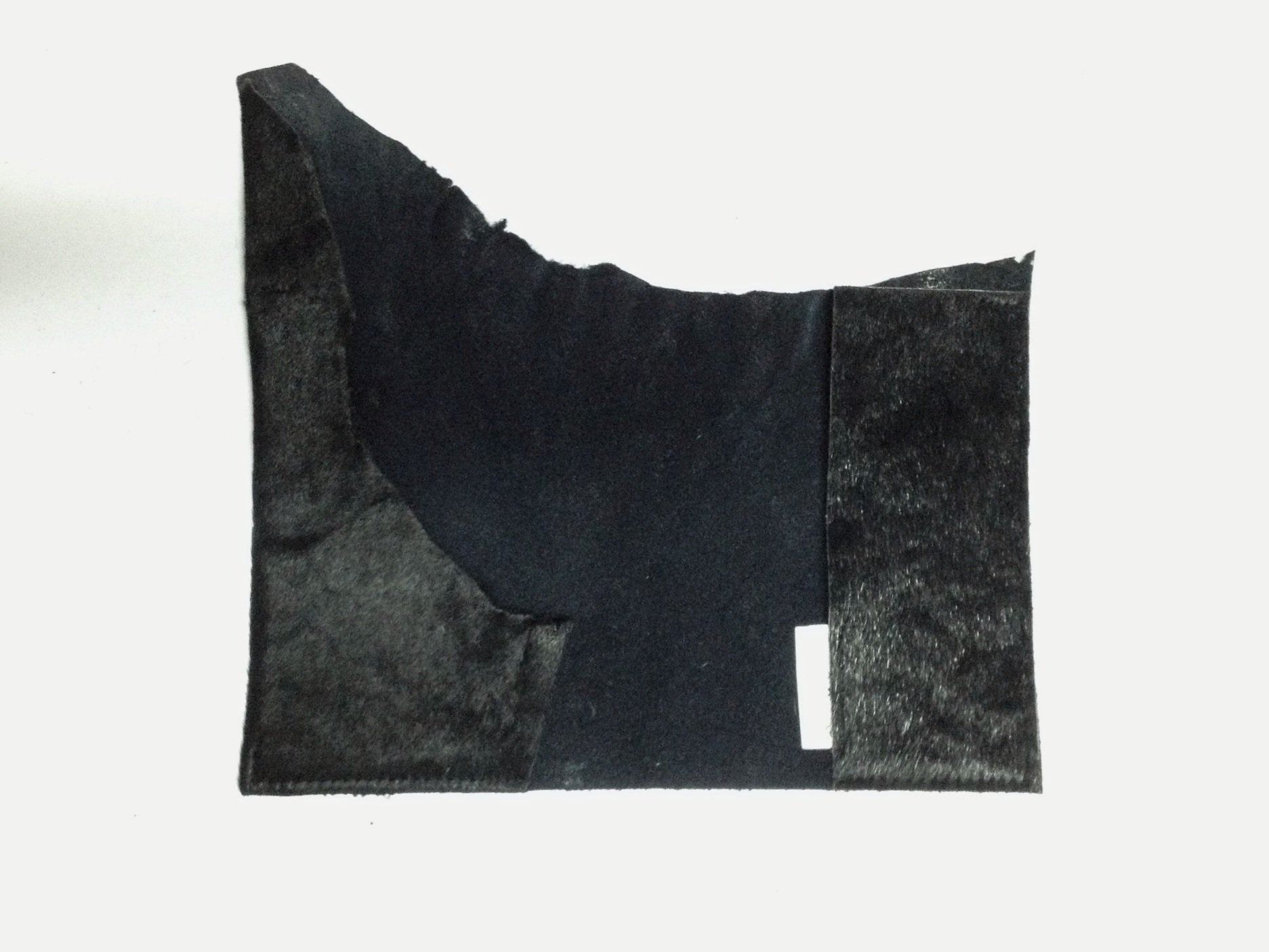
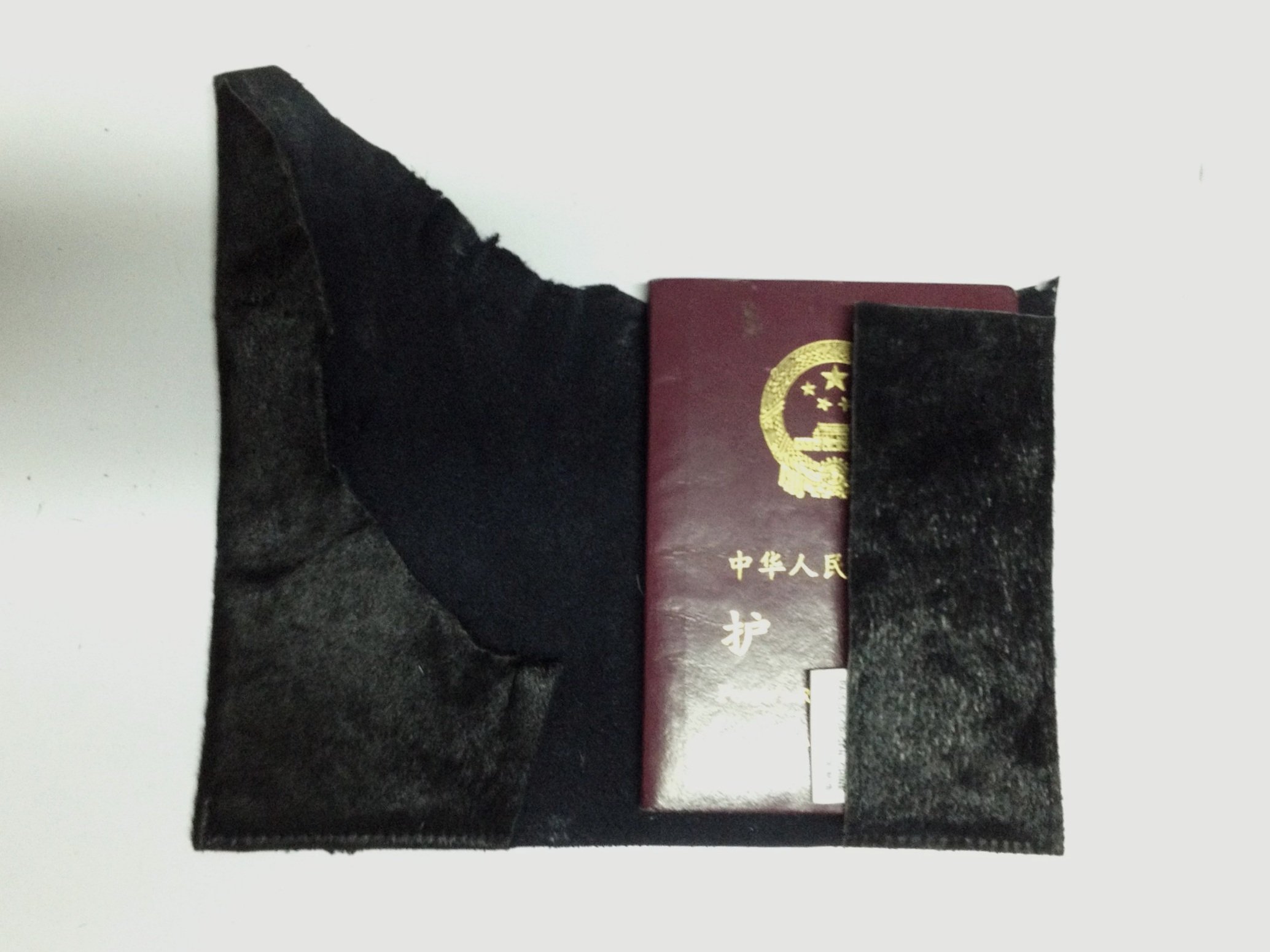
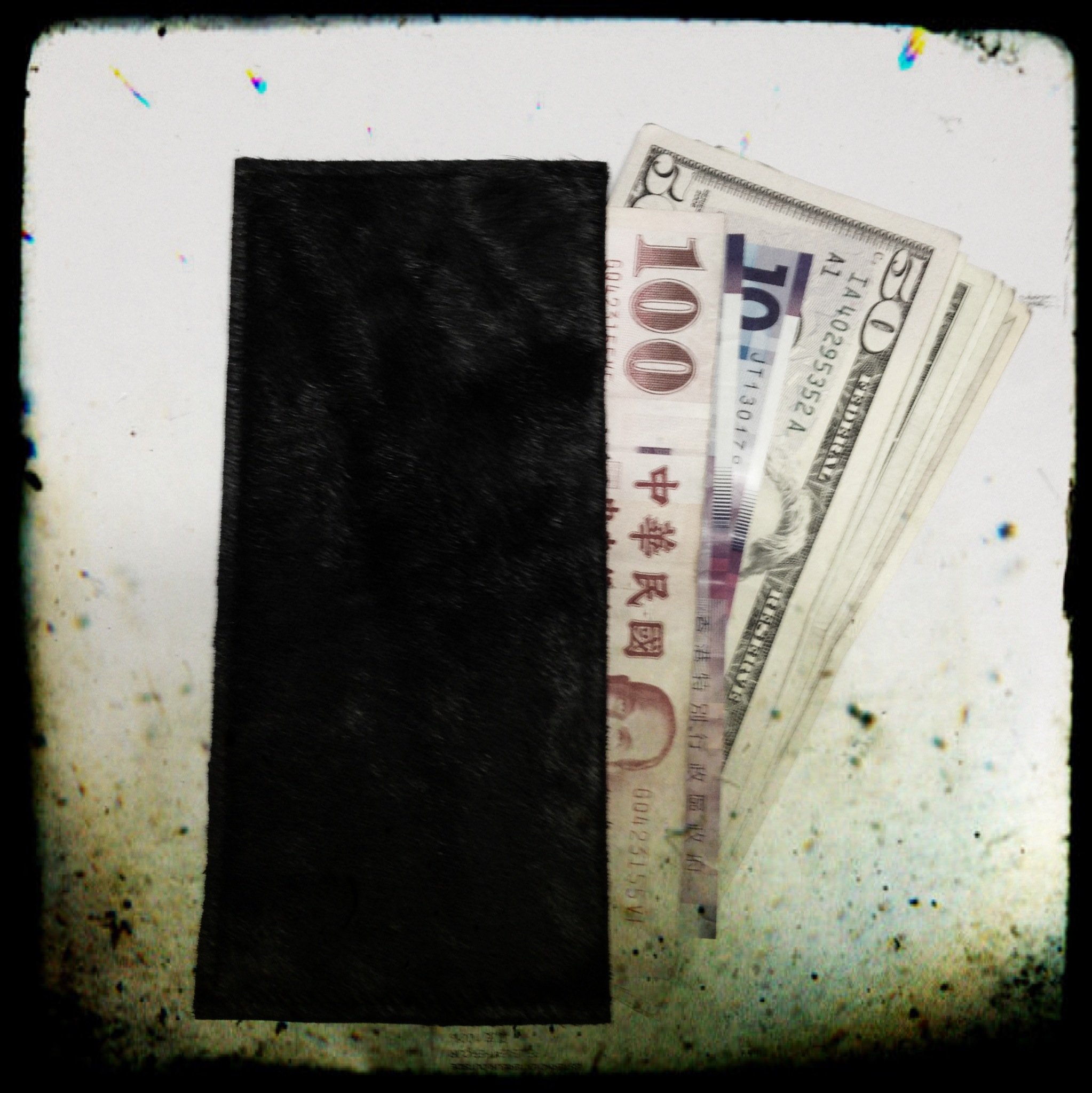
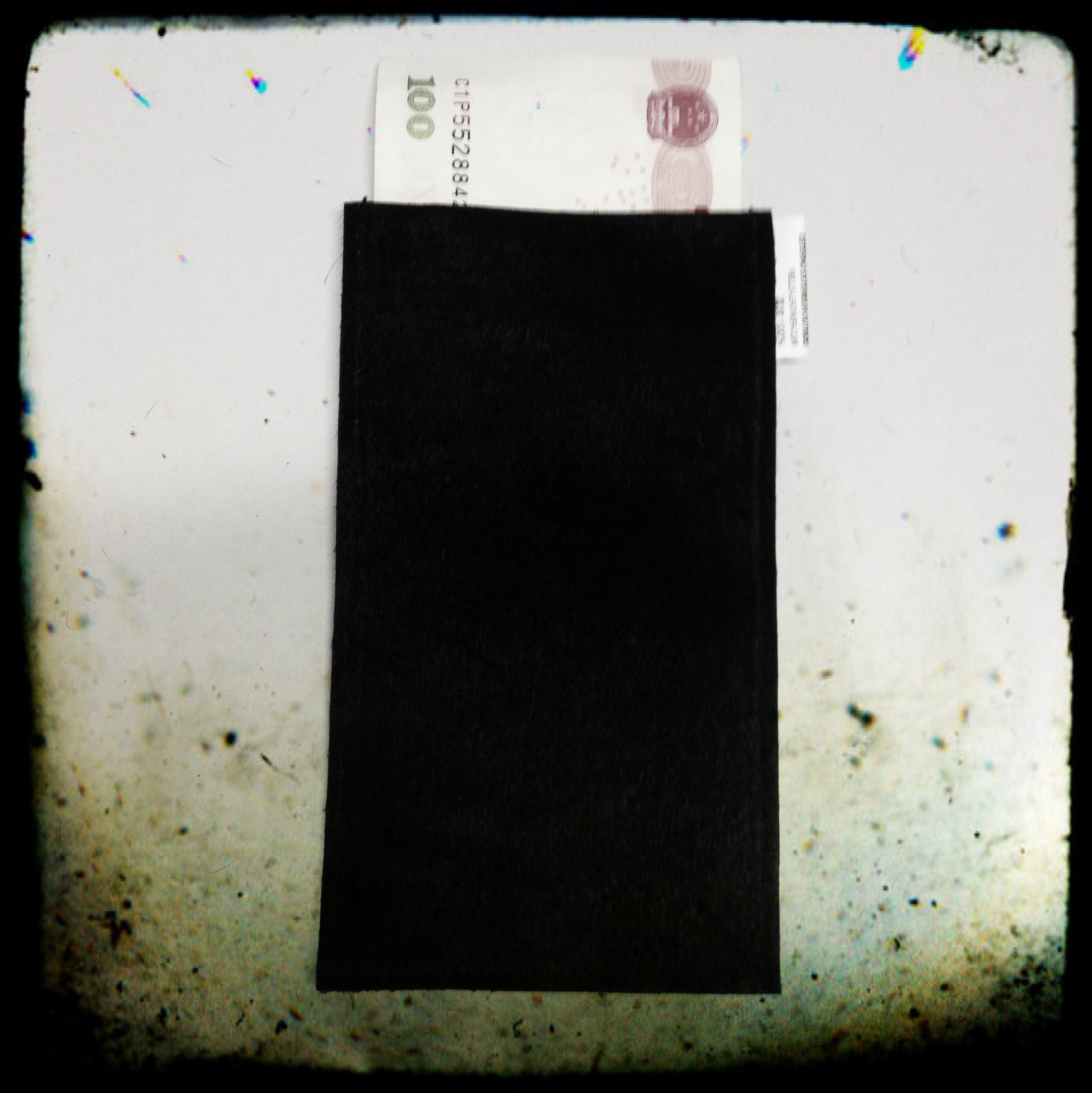
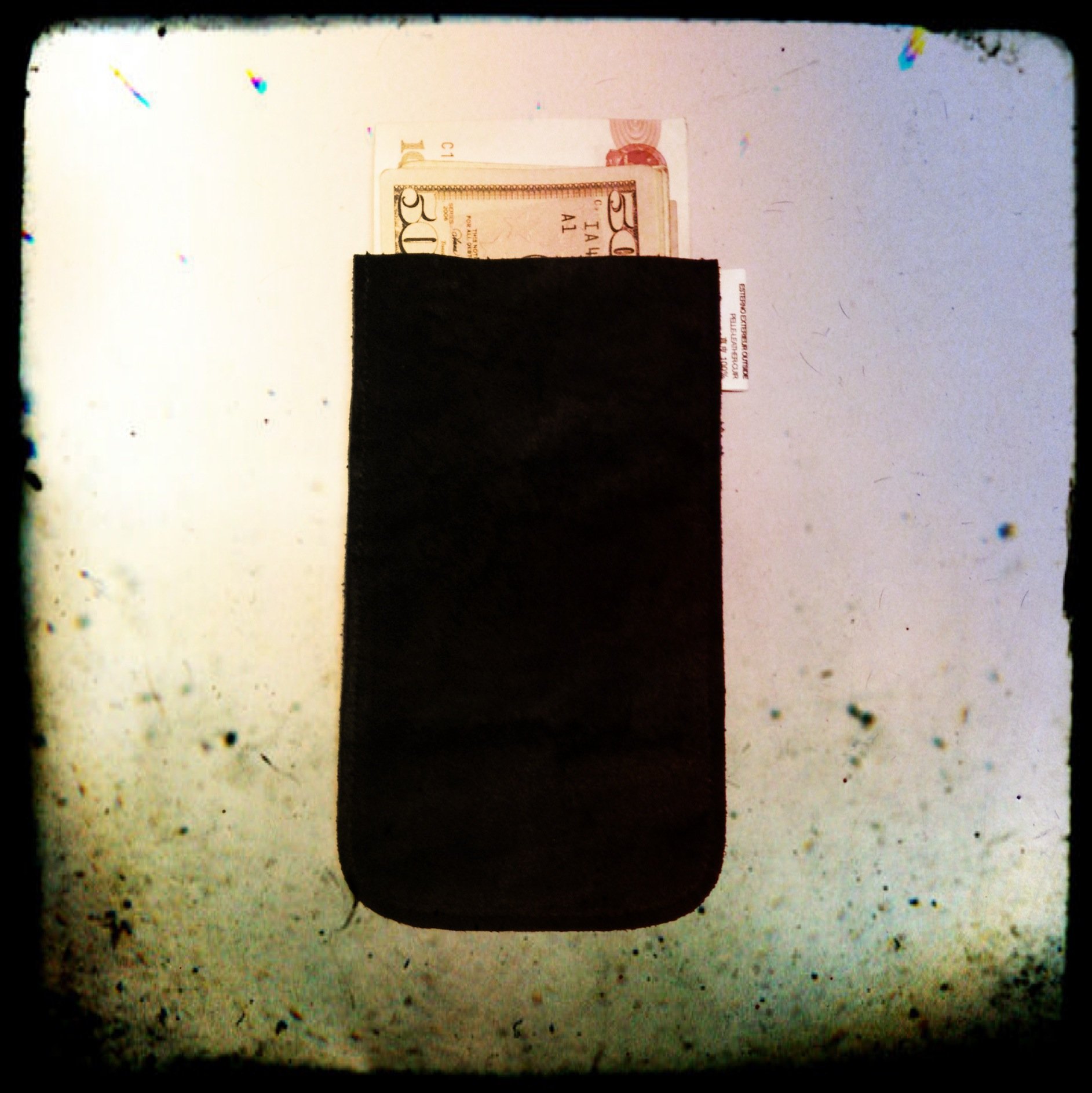
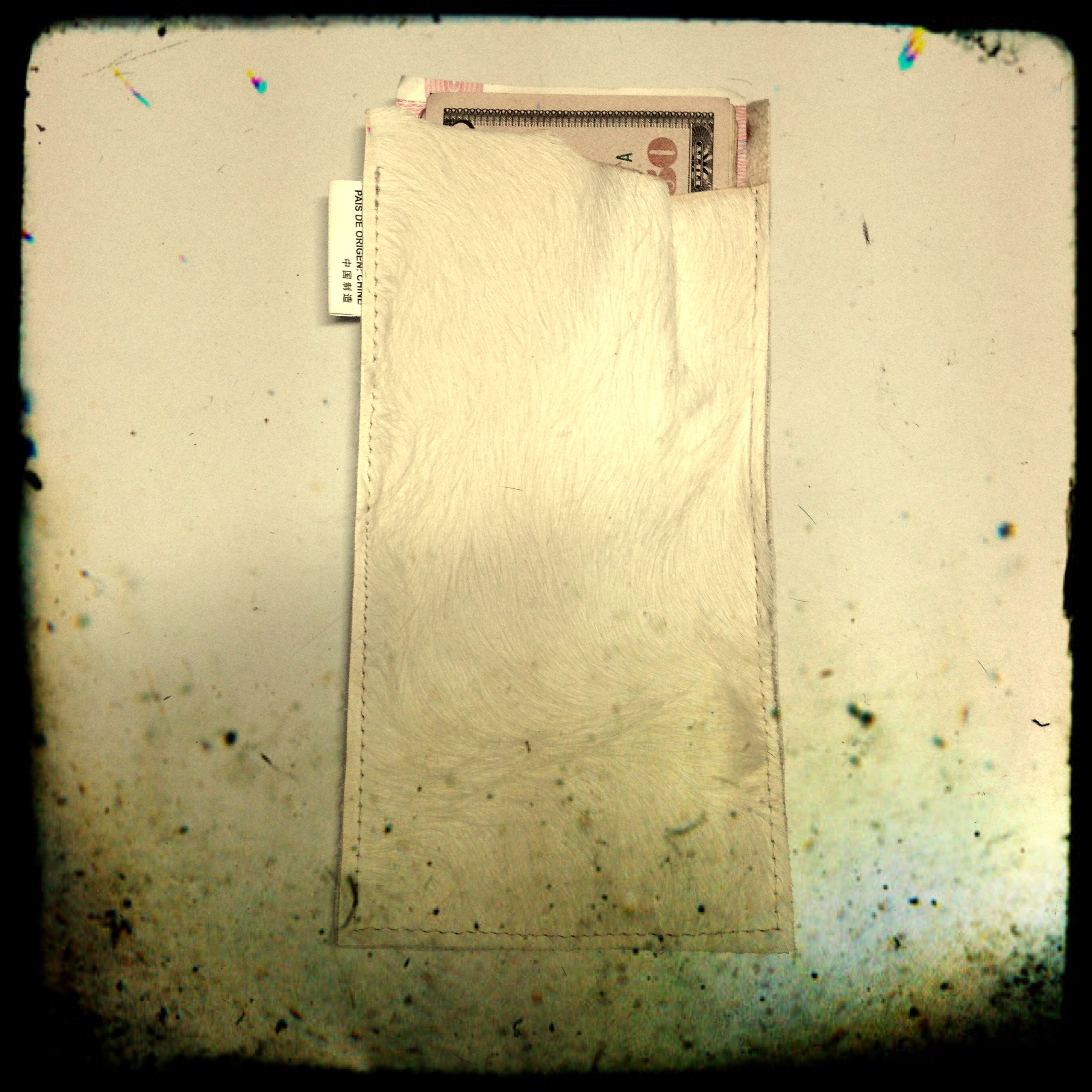
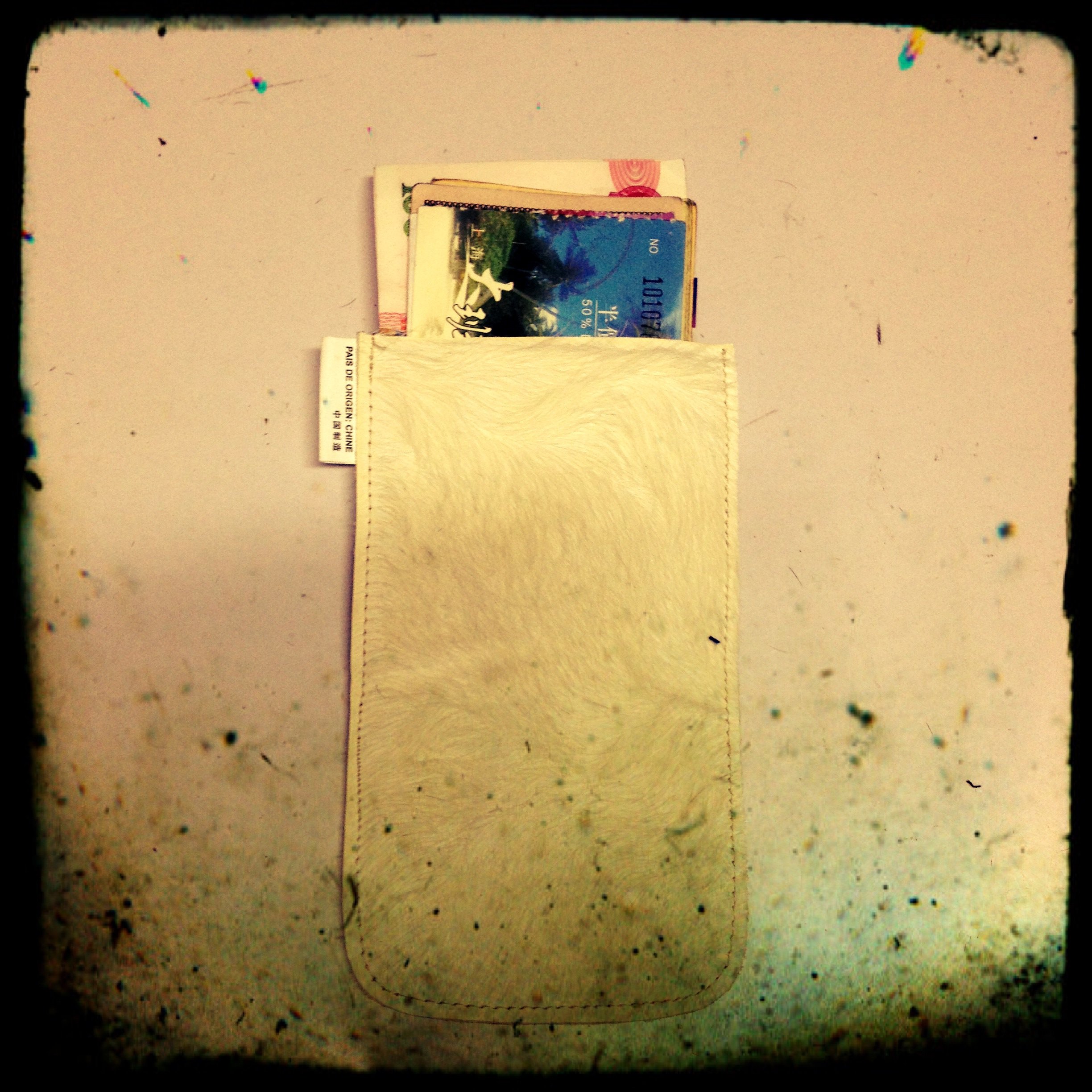
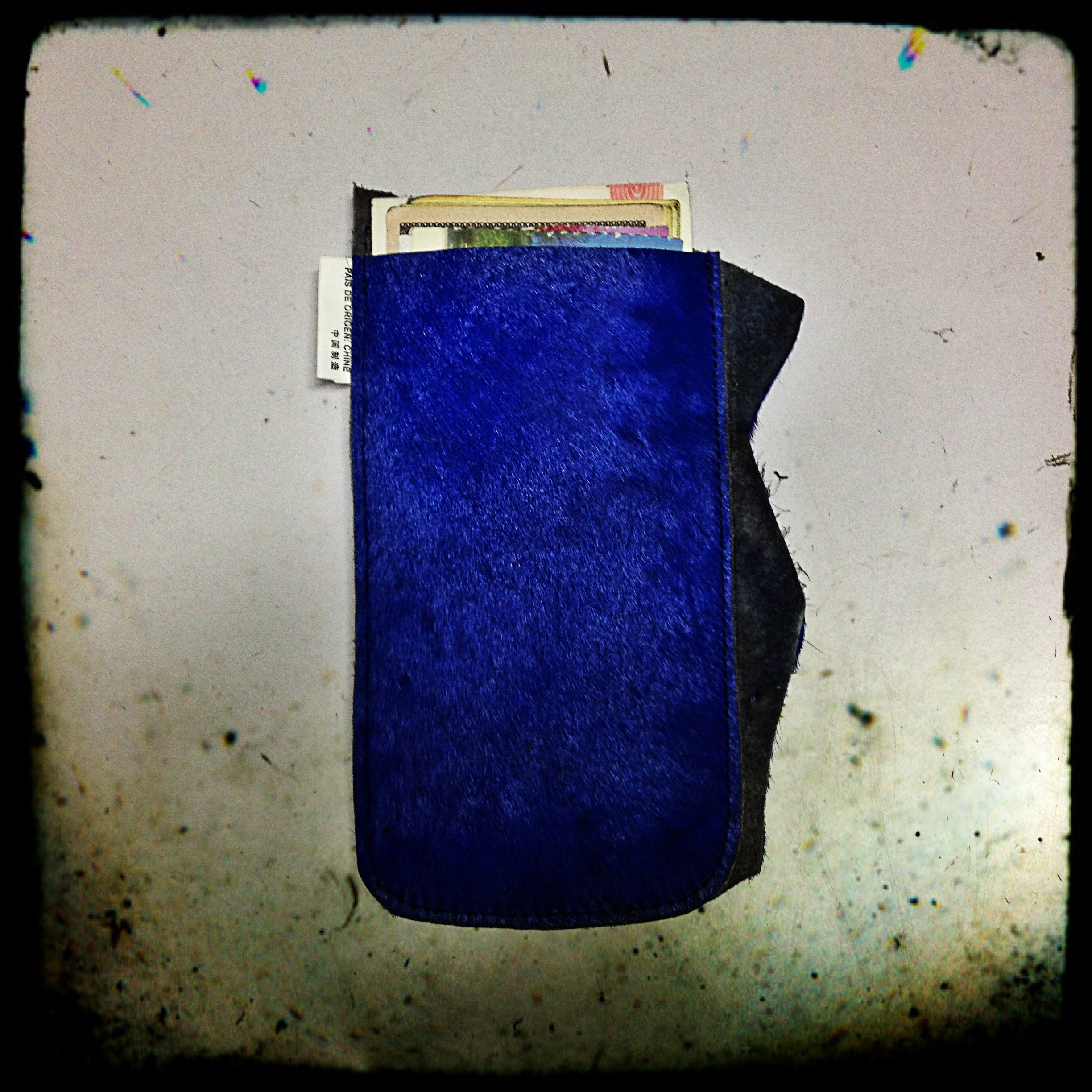
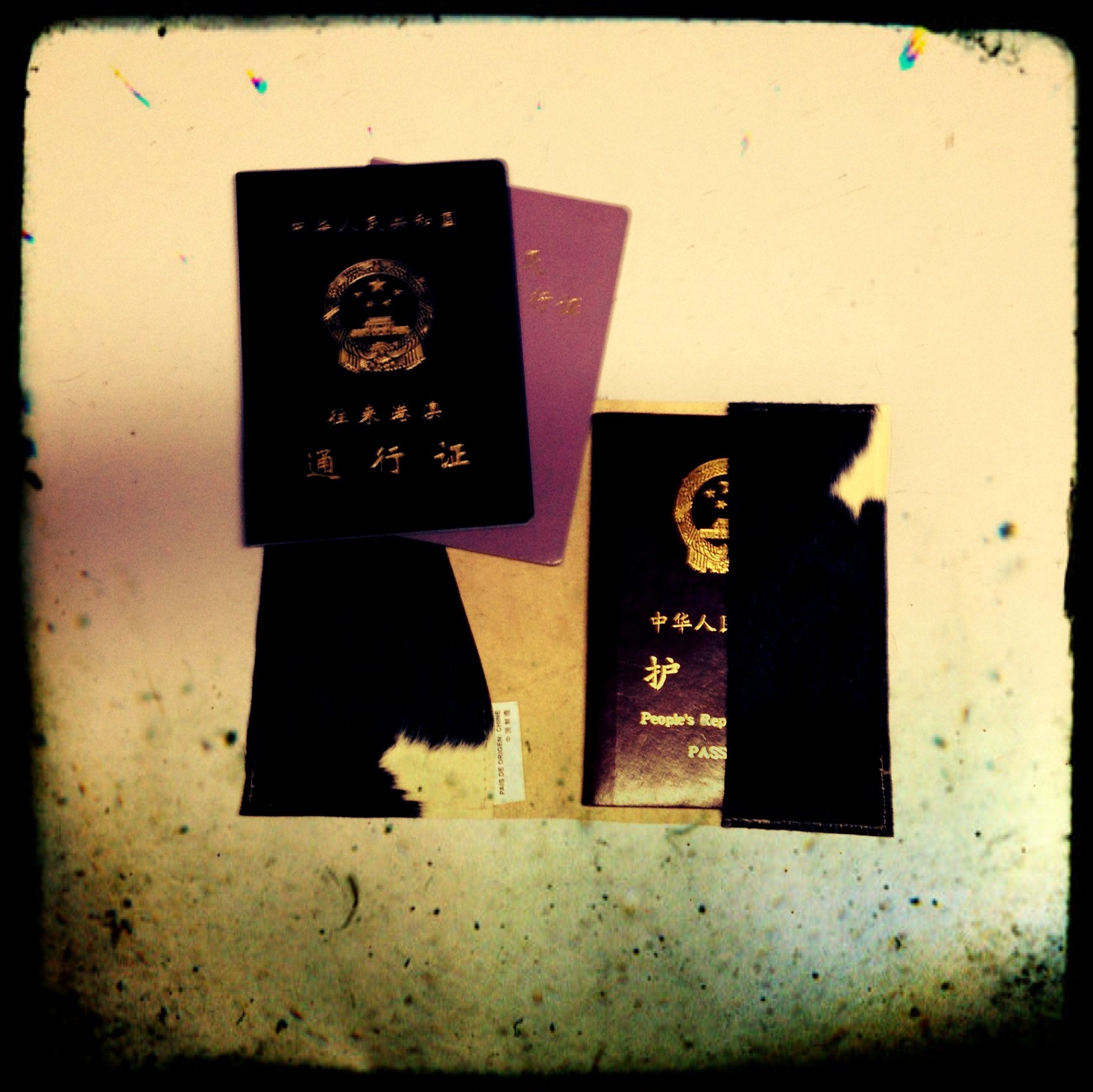
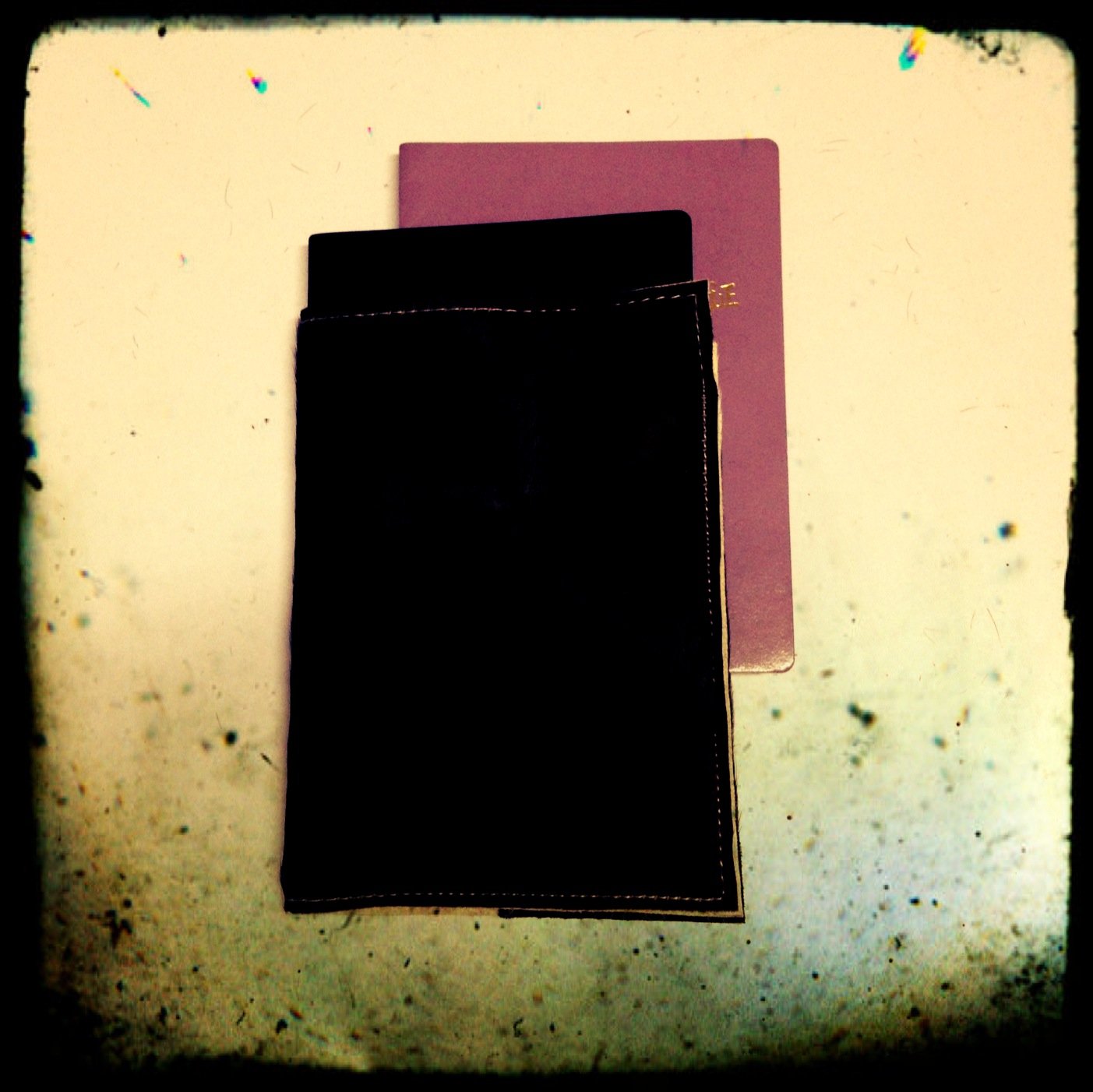
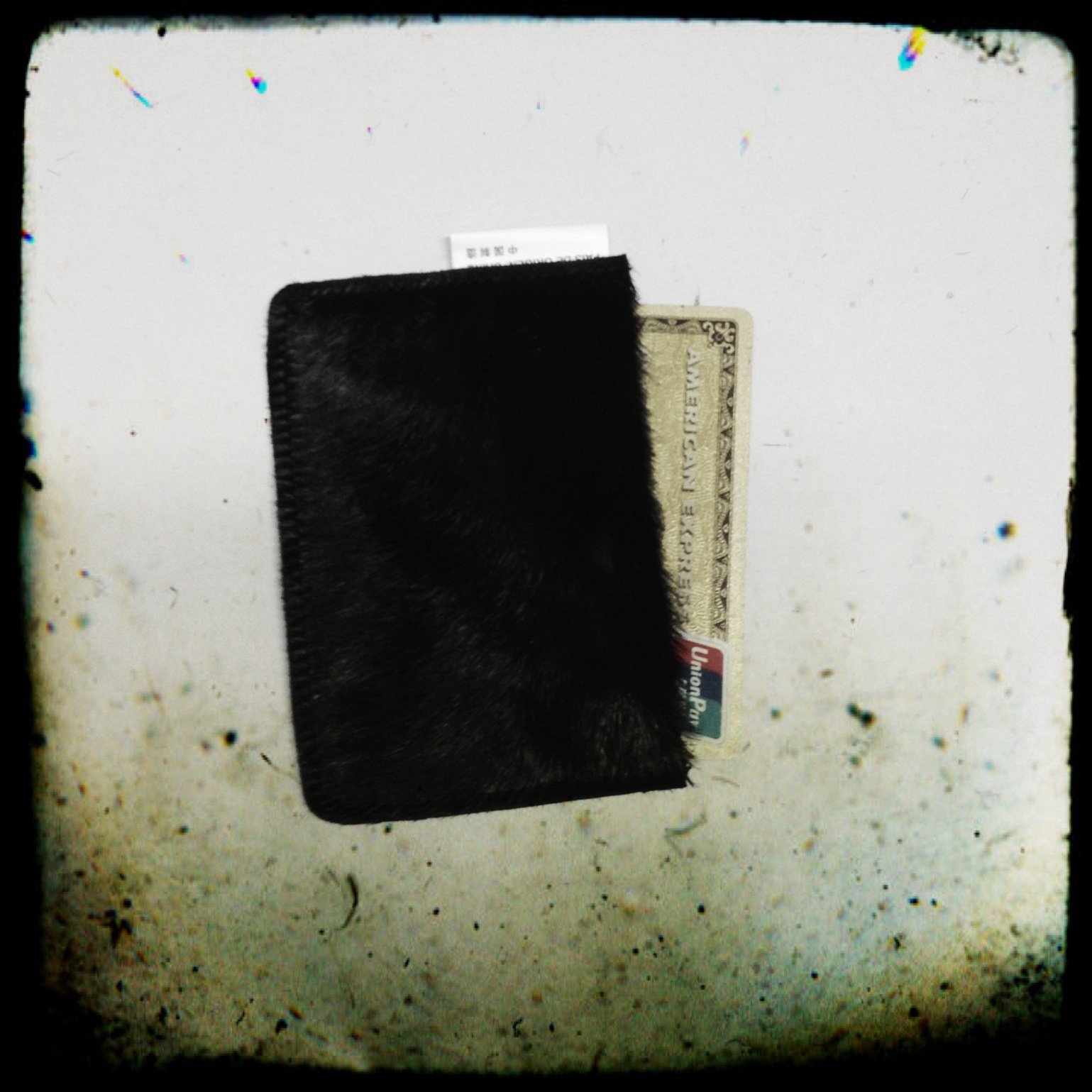
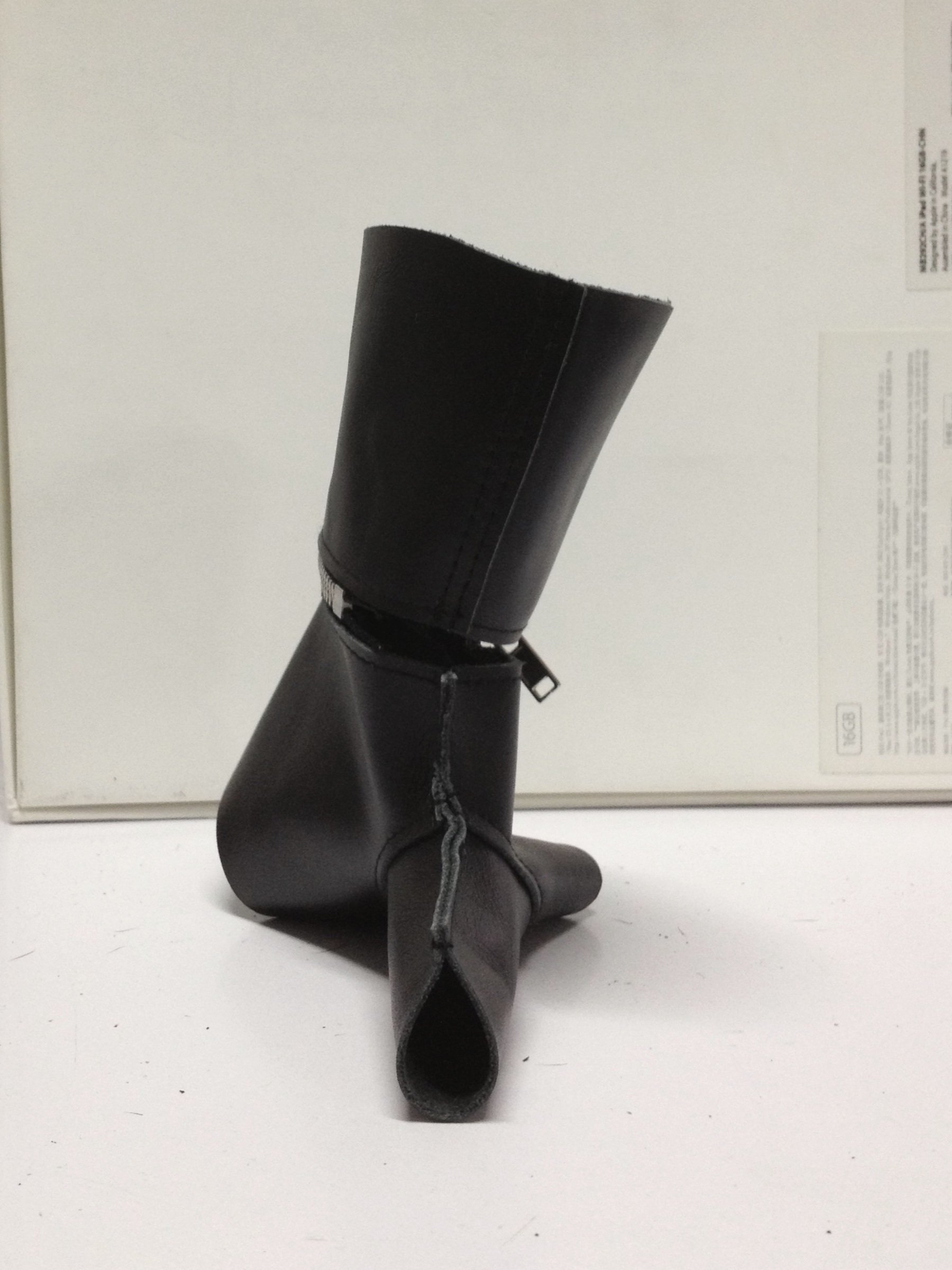
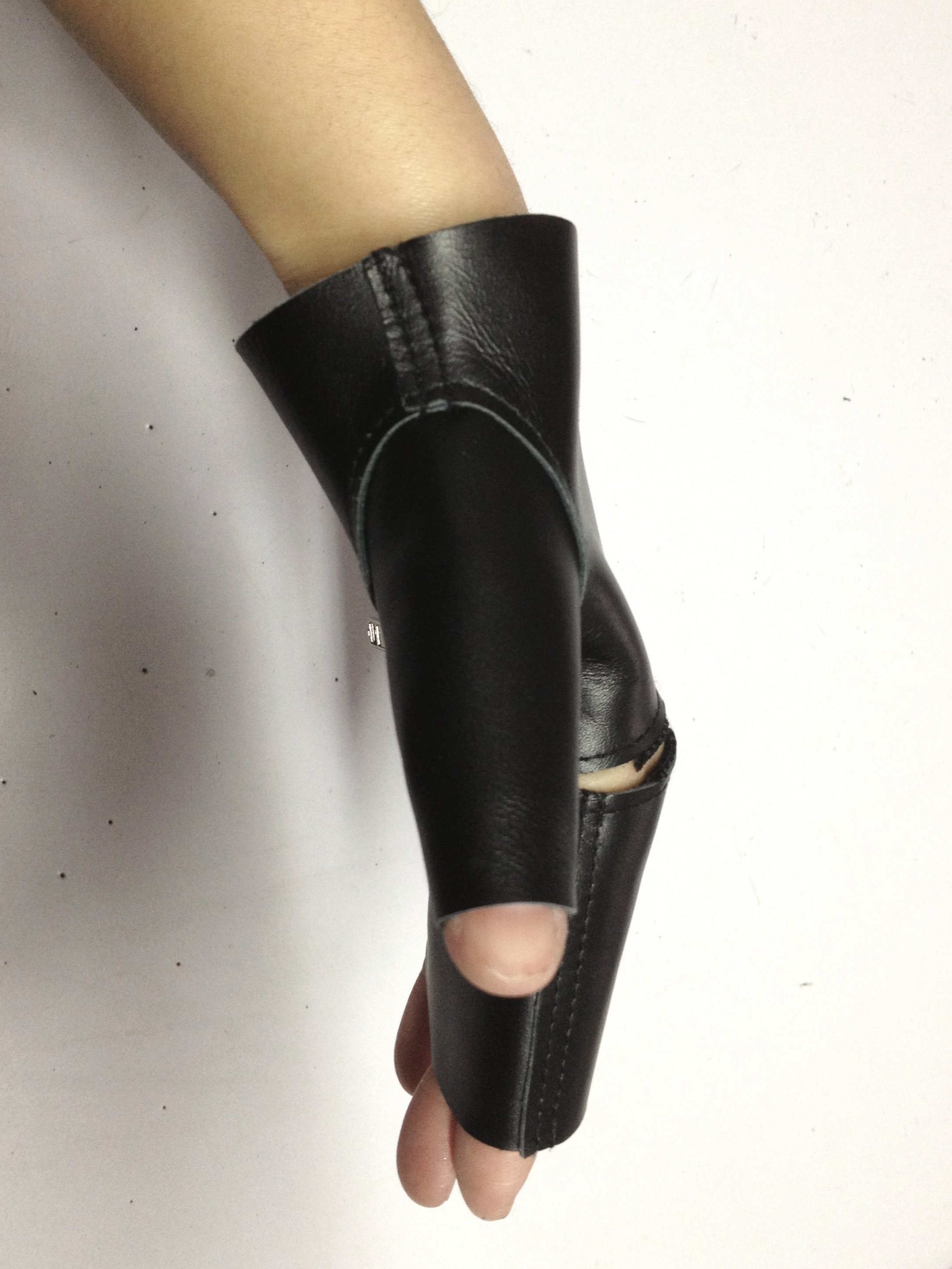
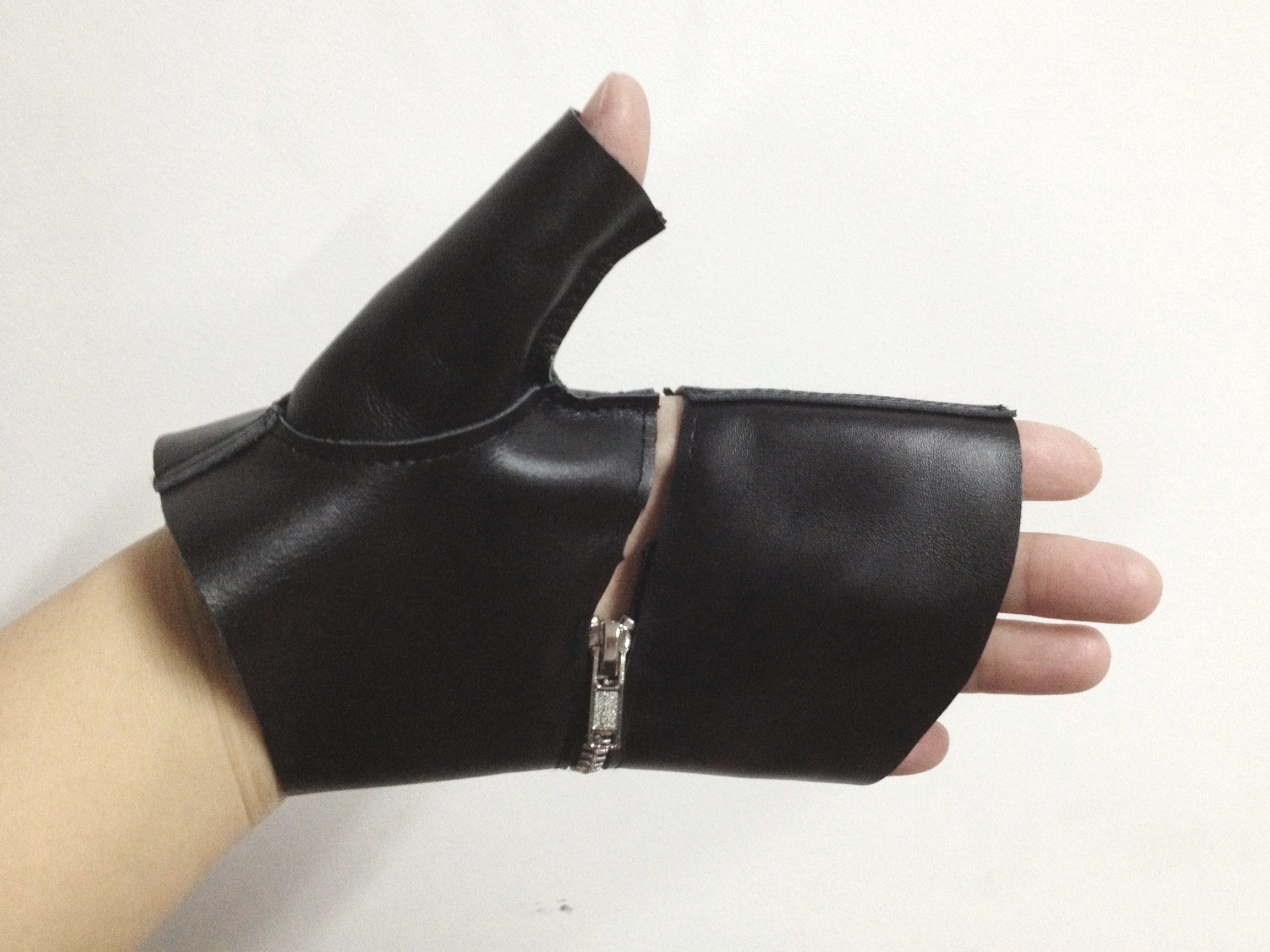
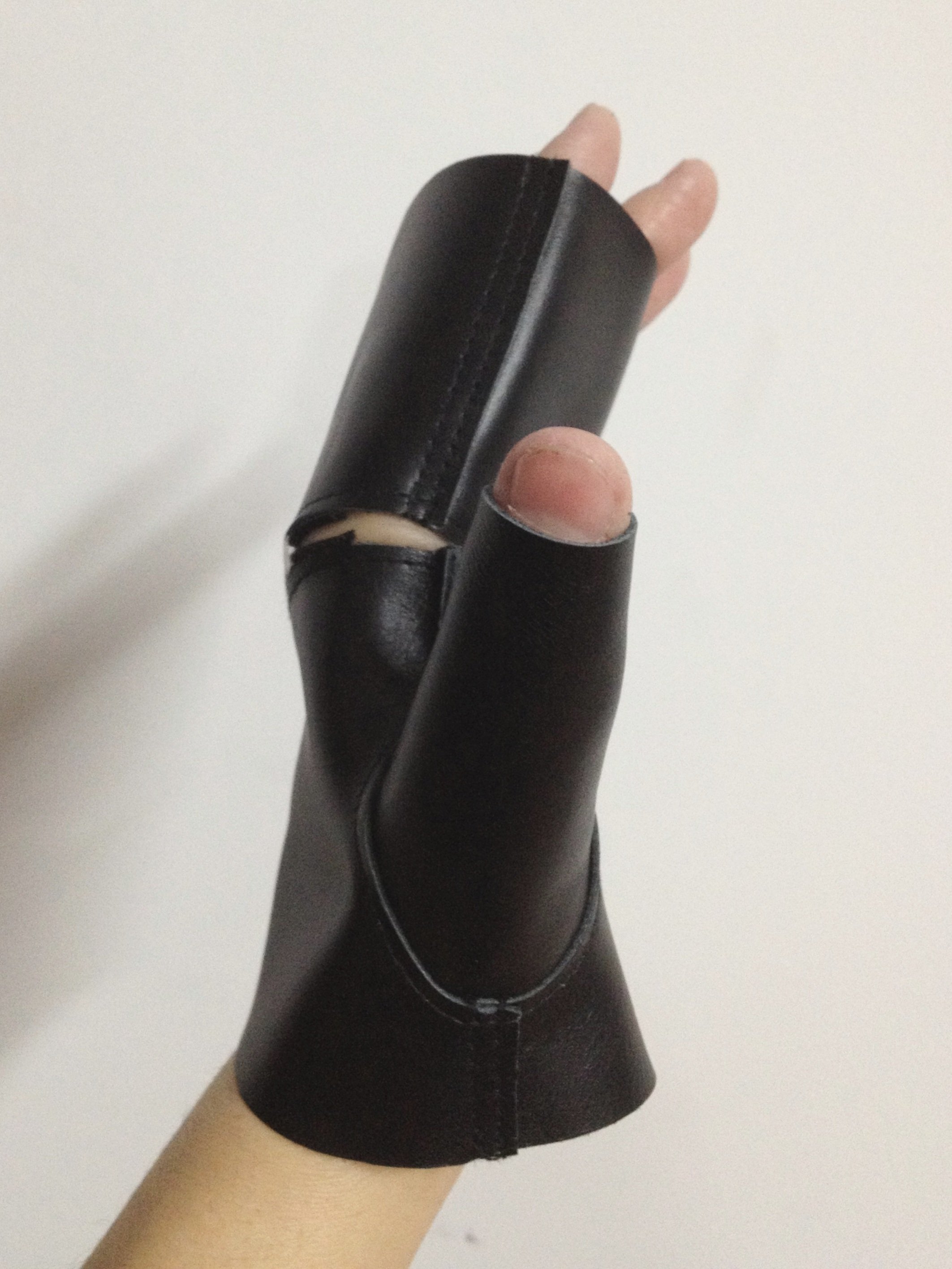
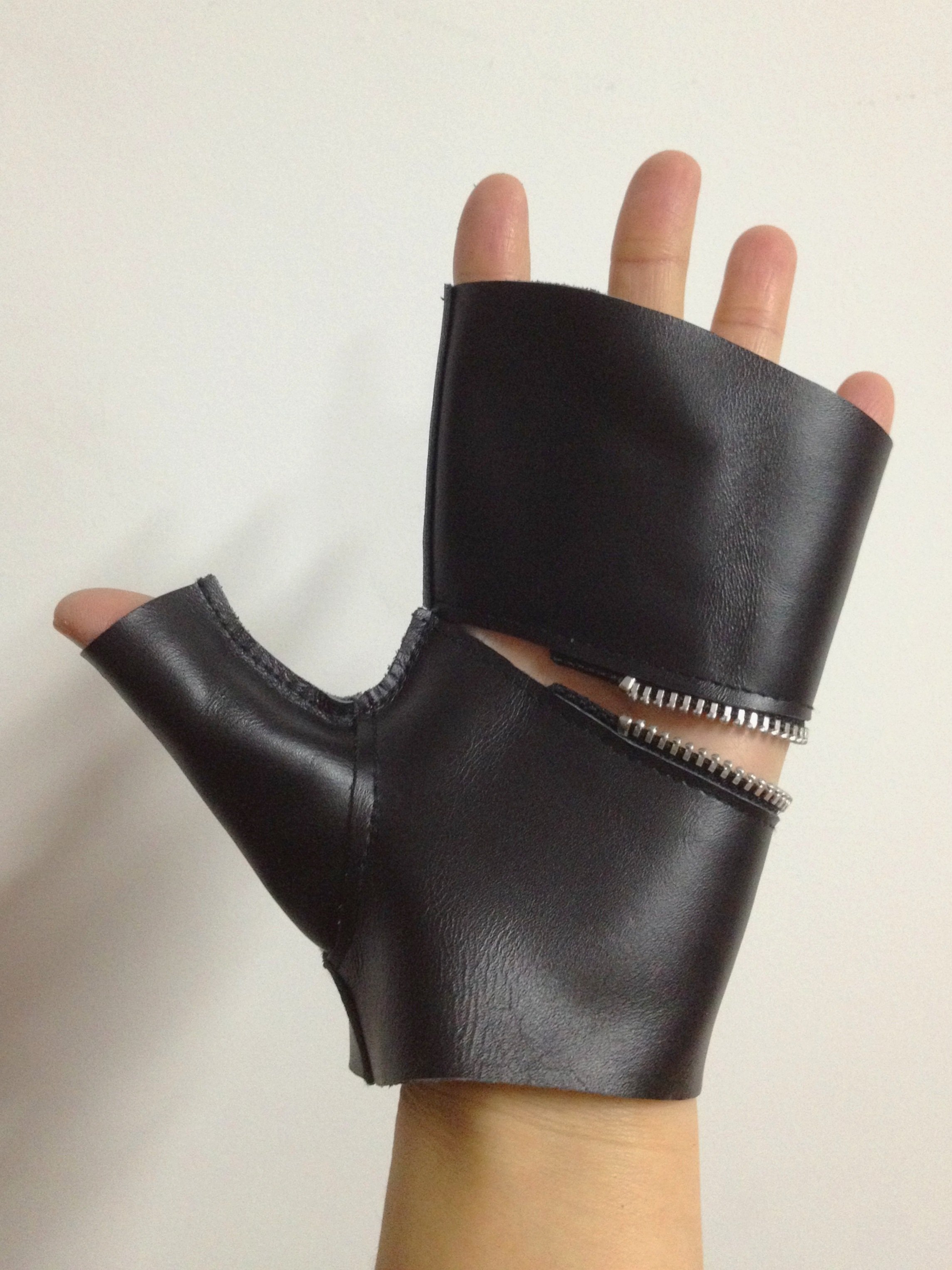
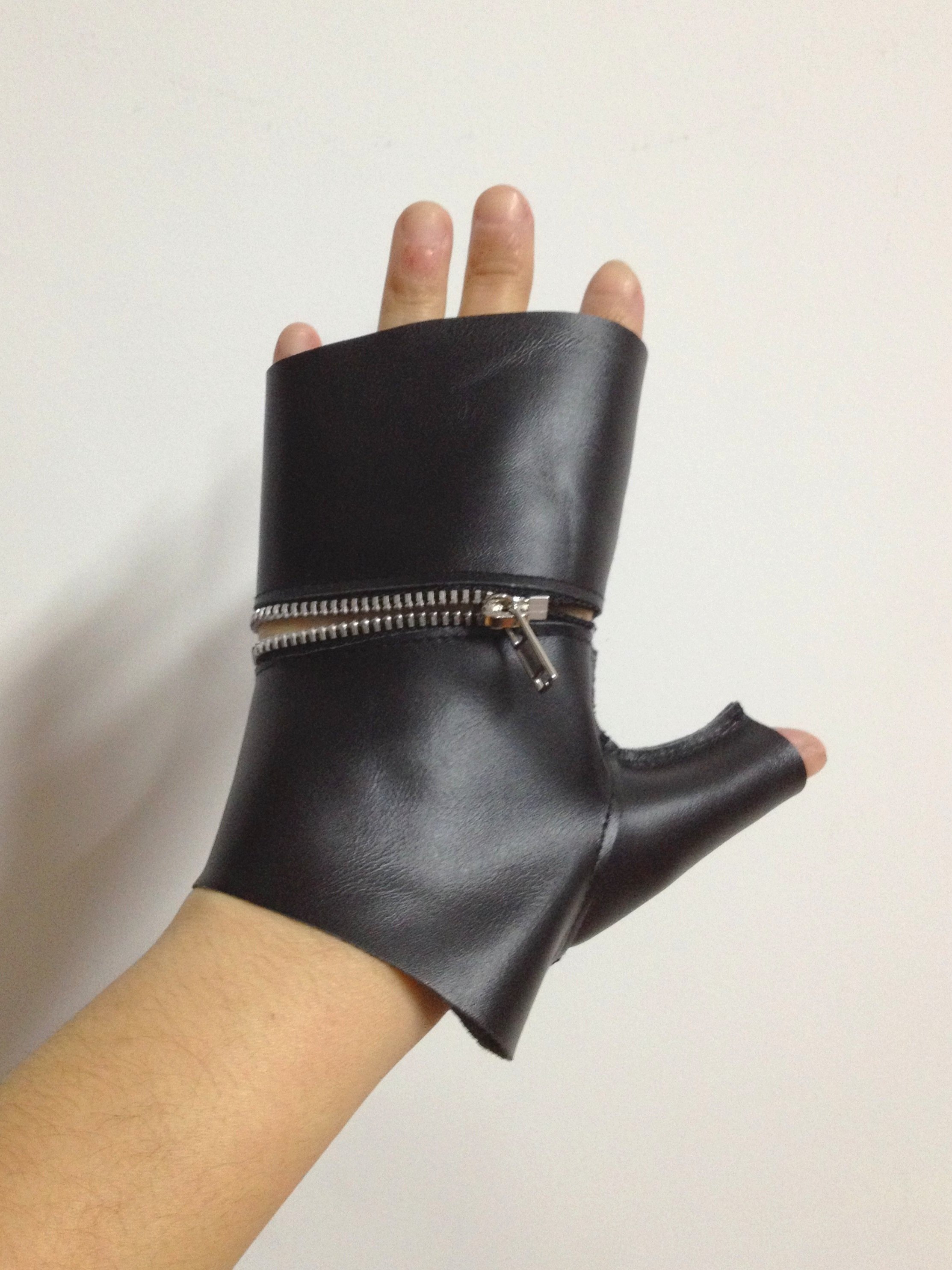
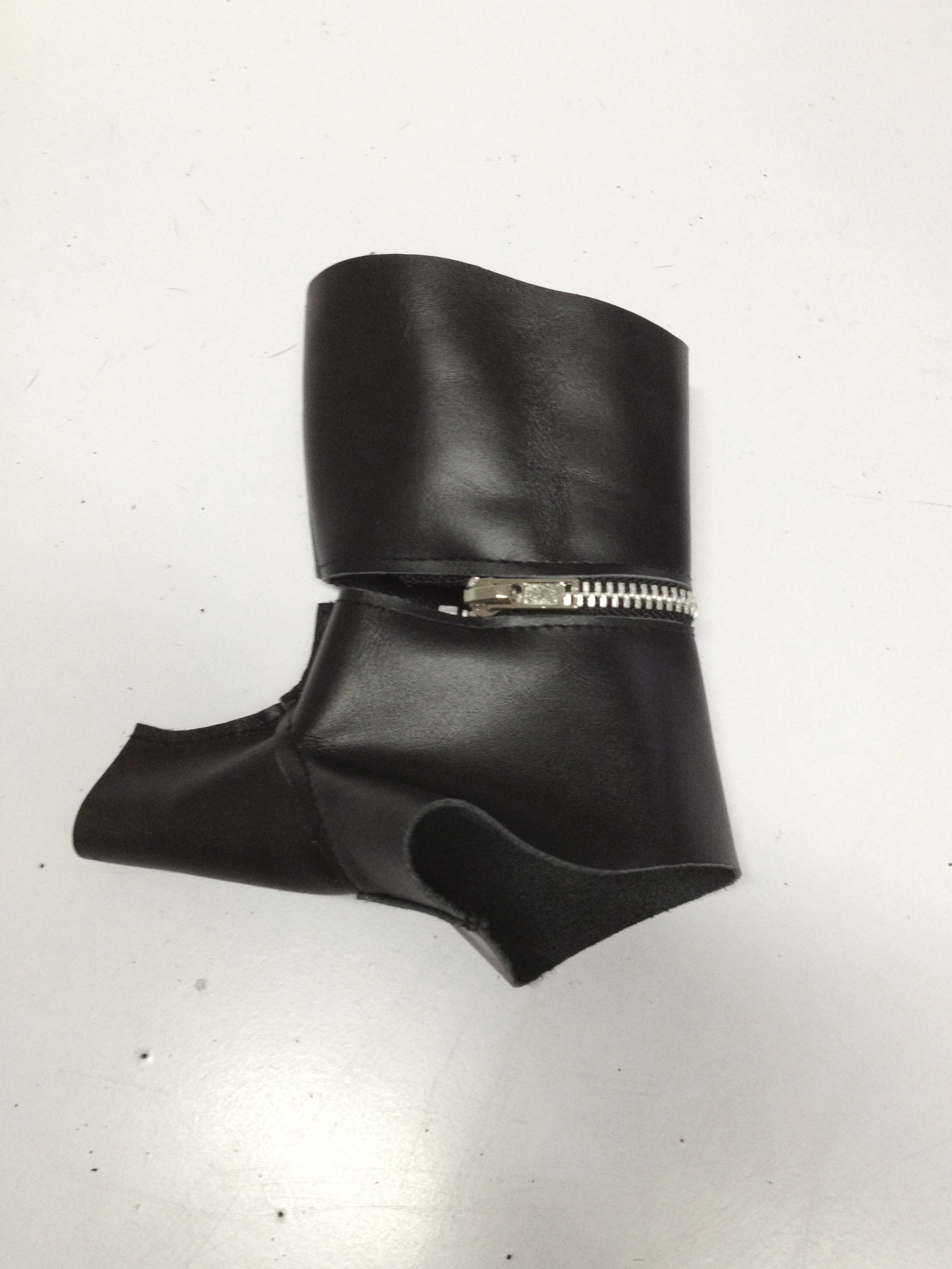
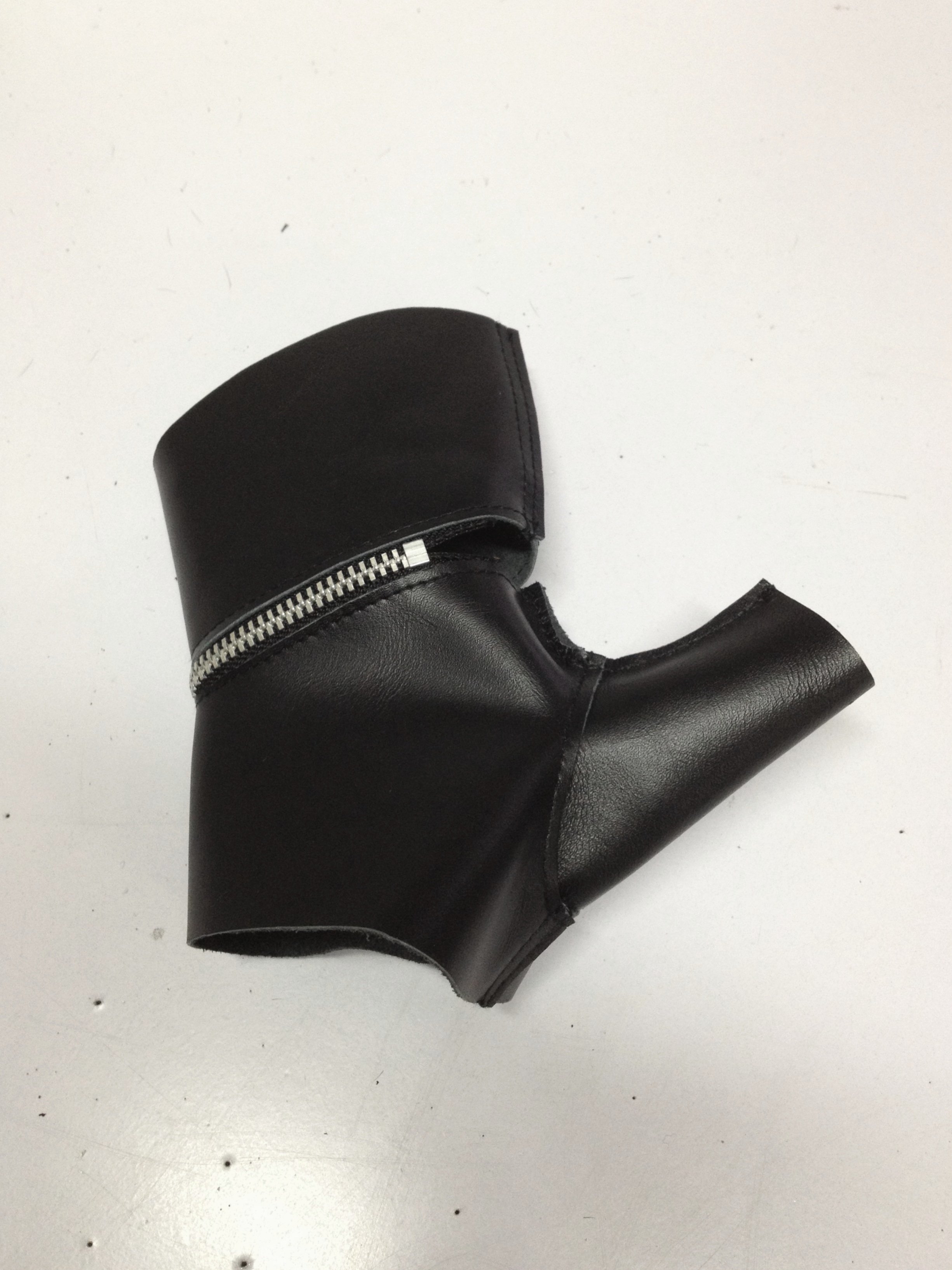
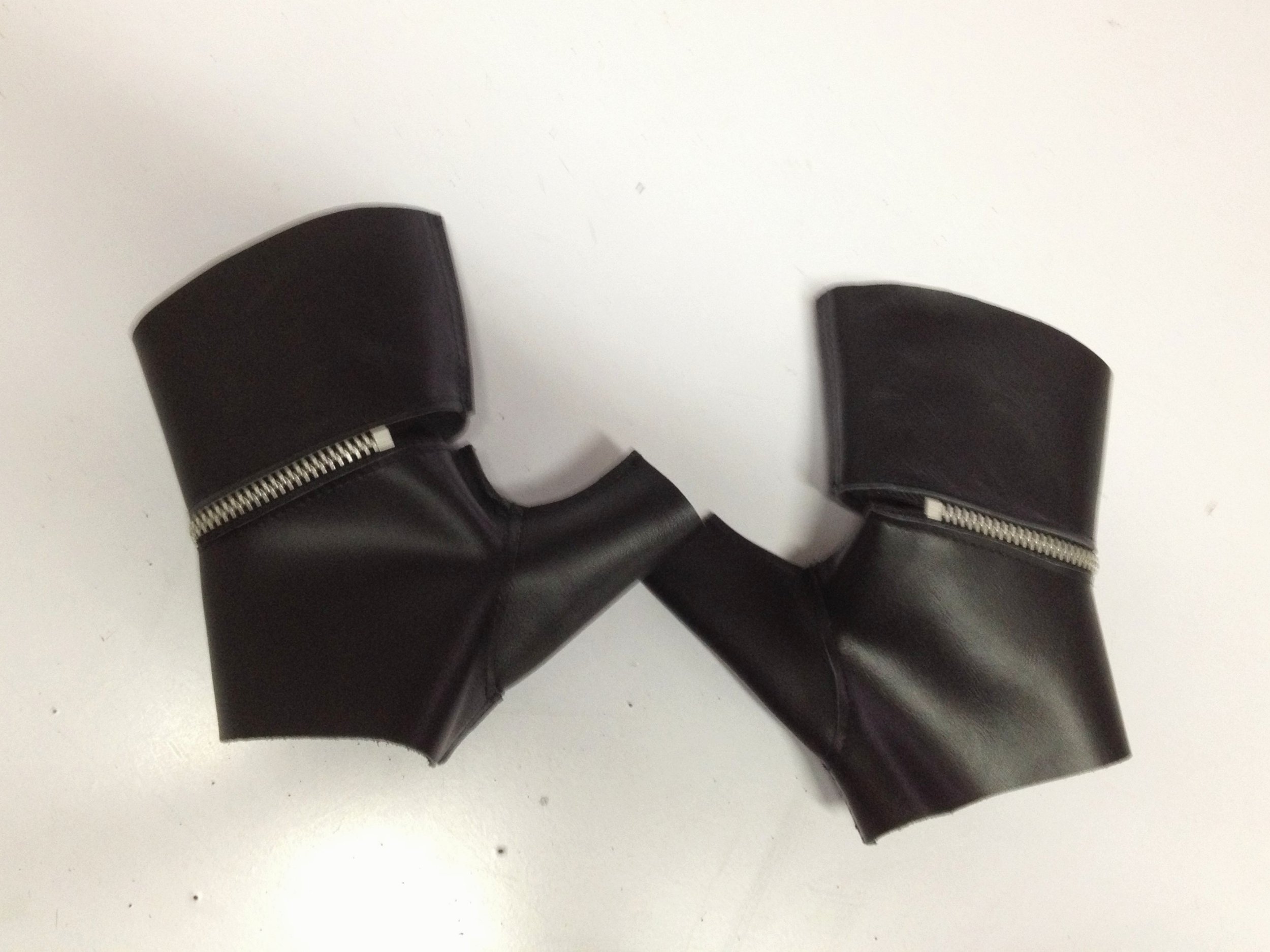
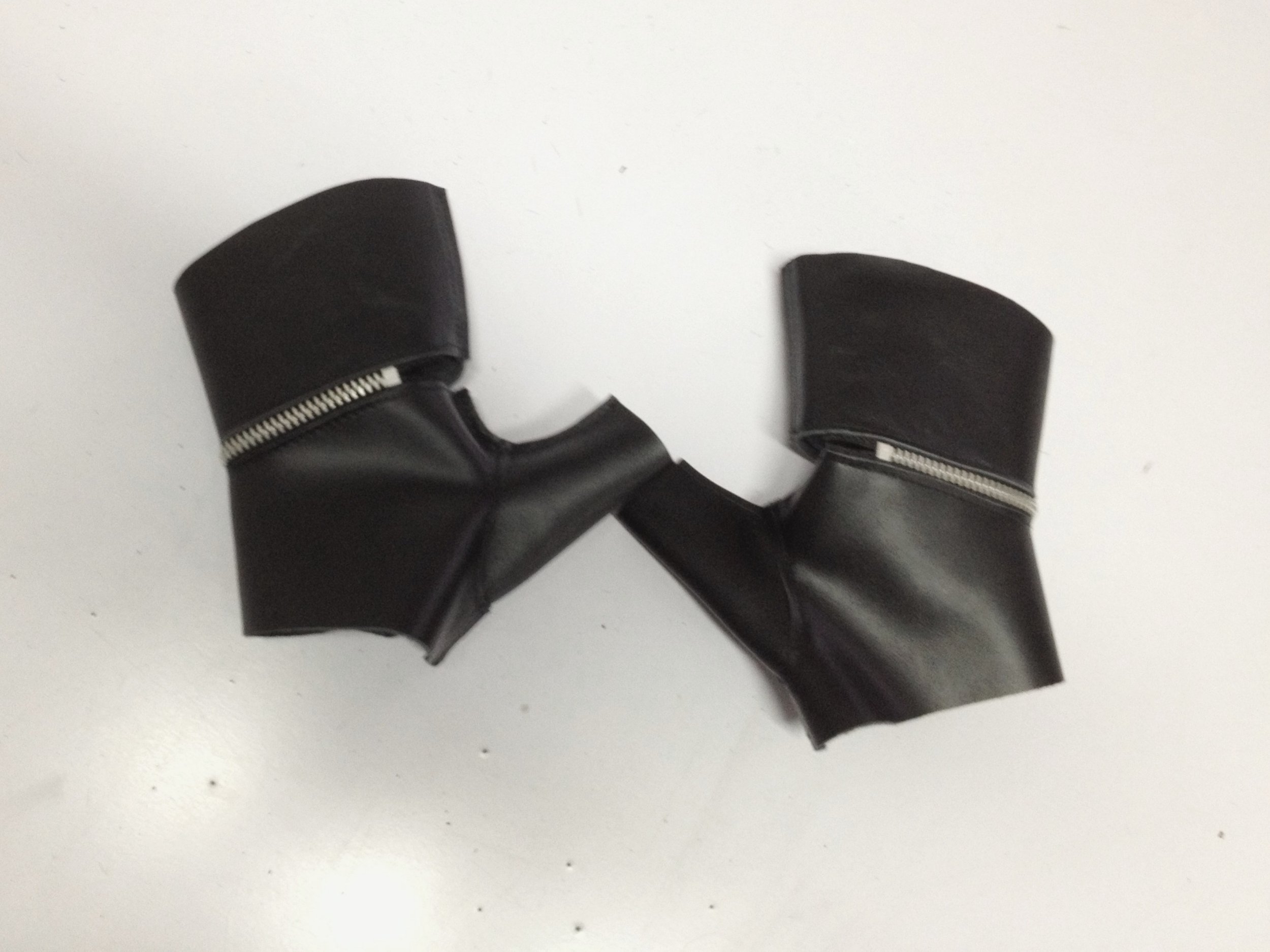
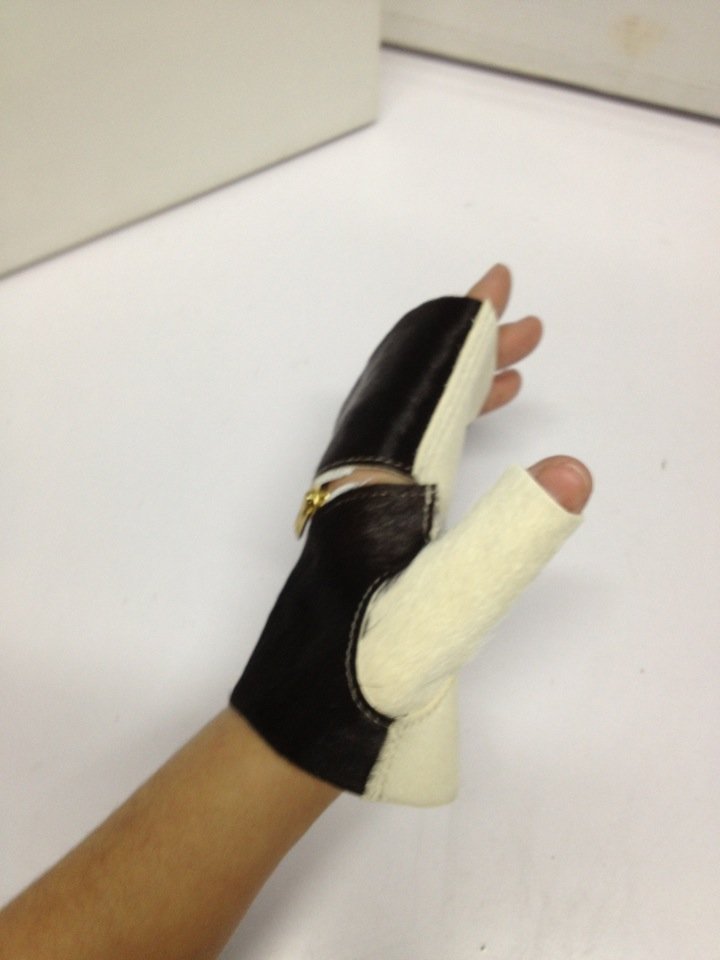
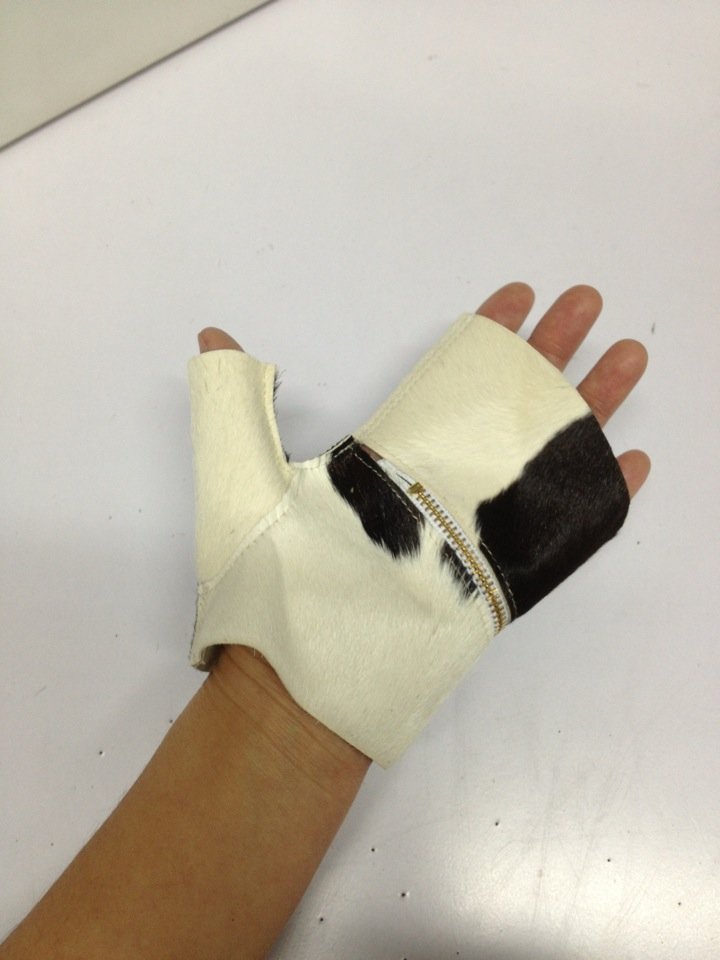
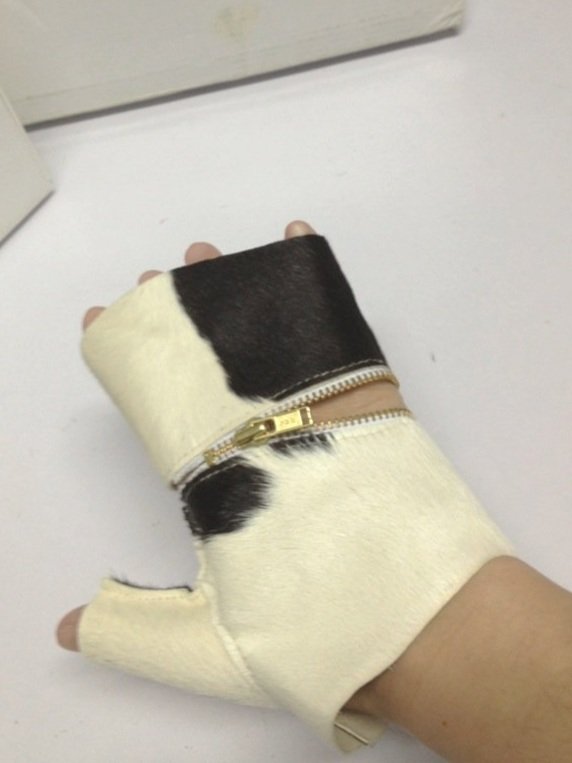
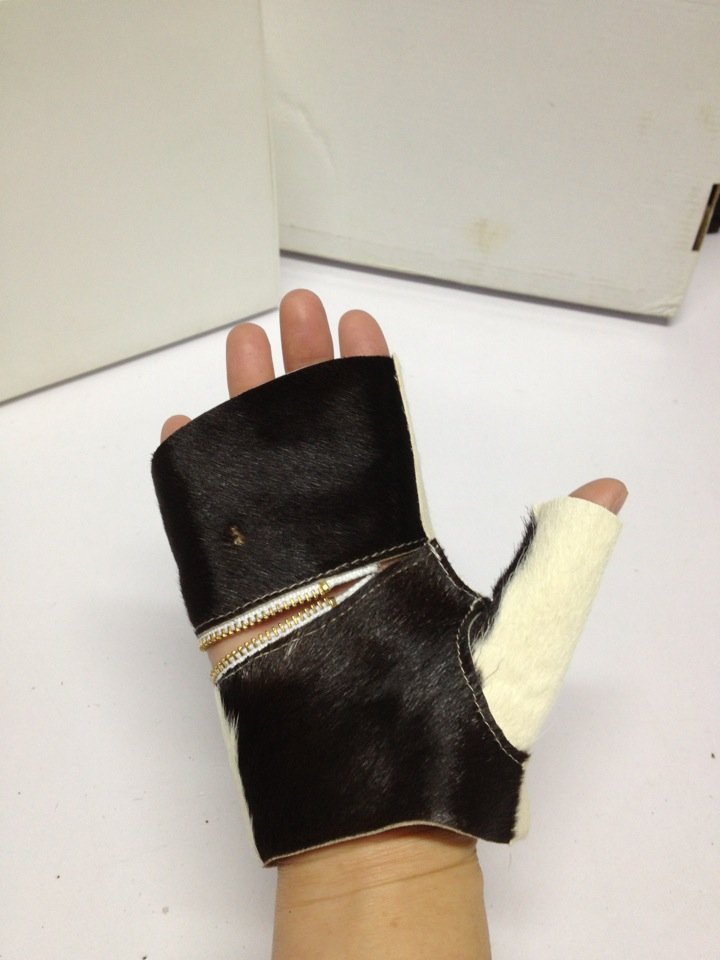
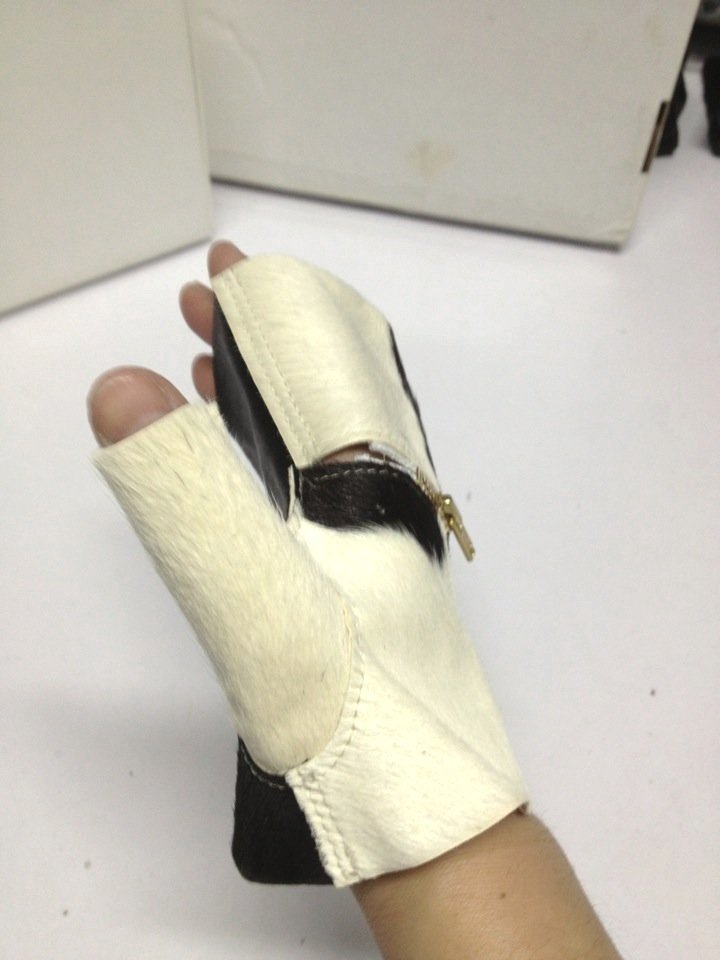
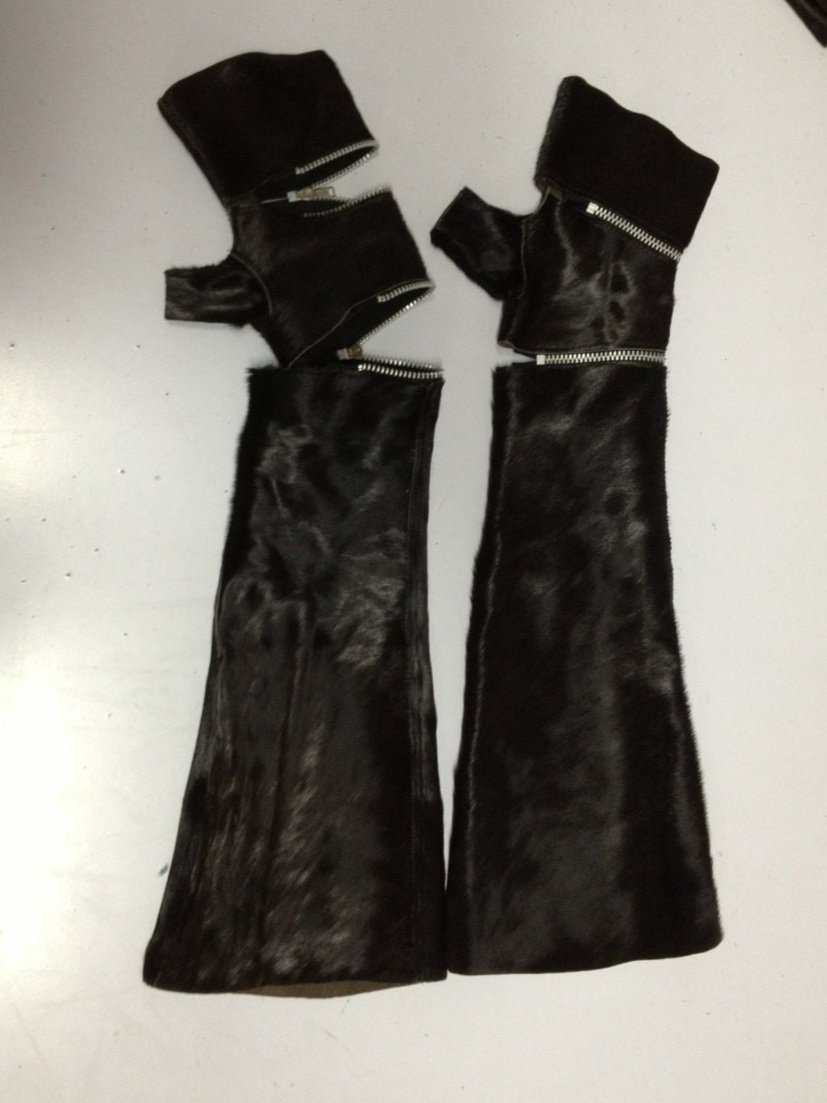
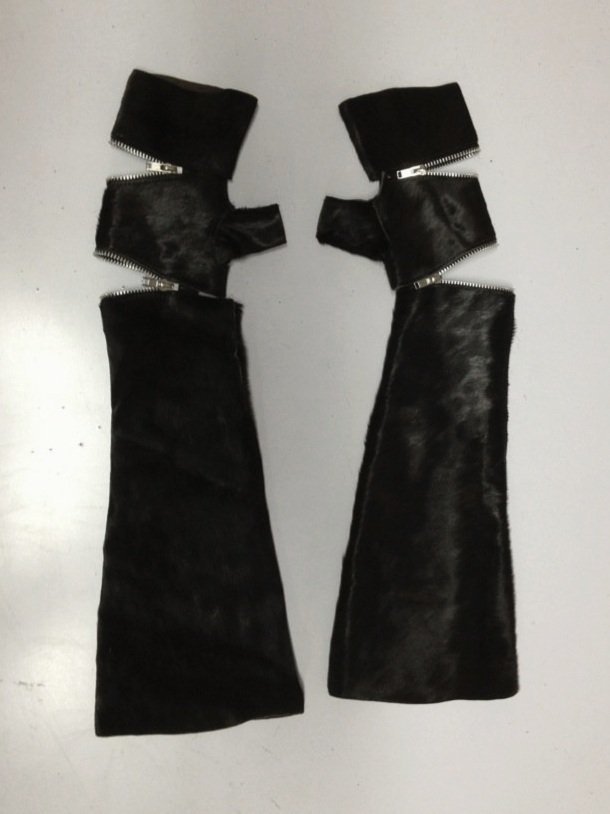
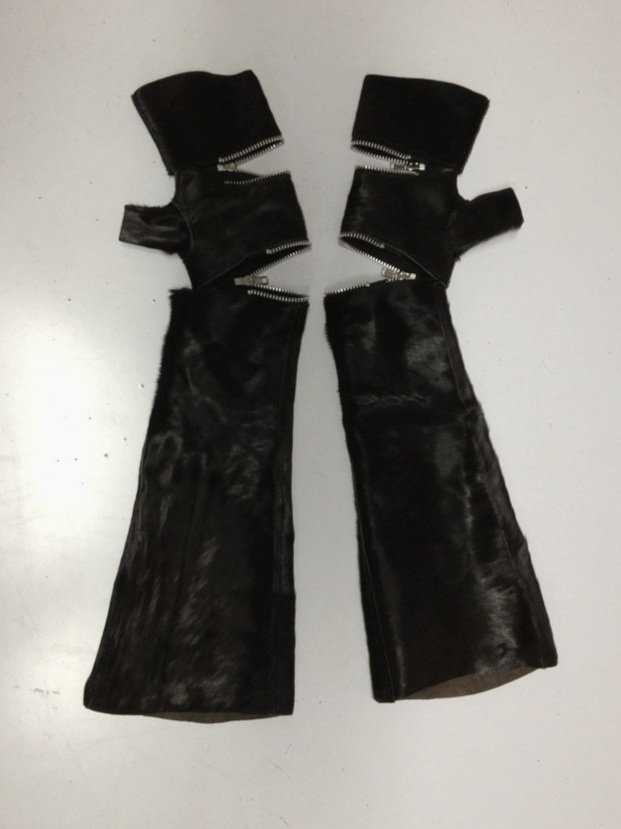
Natural contours and raw edges were kept visible in passport covers, card holders, wallets and covers for tablets and phones. Even within a collection, the shape of an individual remnant could give each object a different outline. The team also used these materials in experimental gloves and hand pieces.
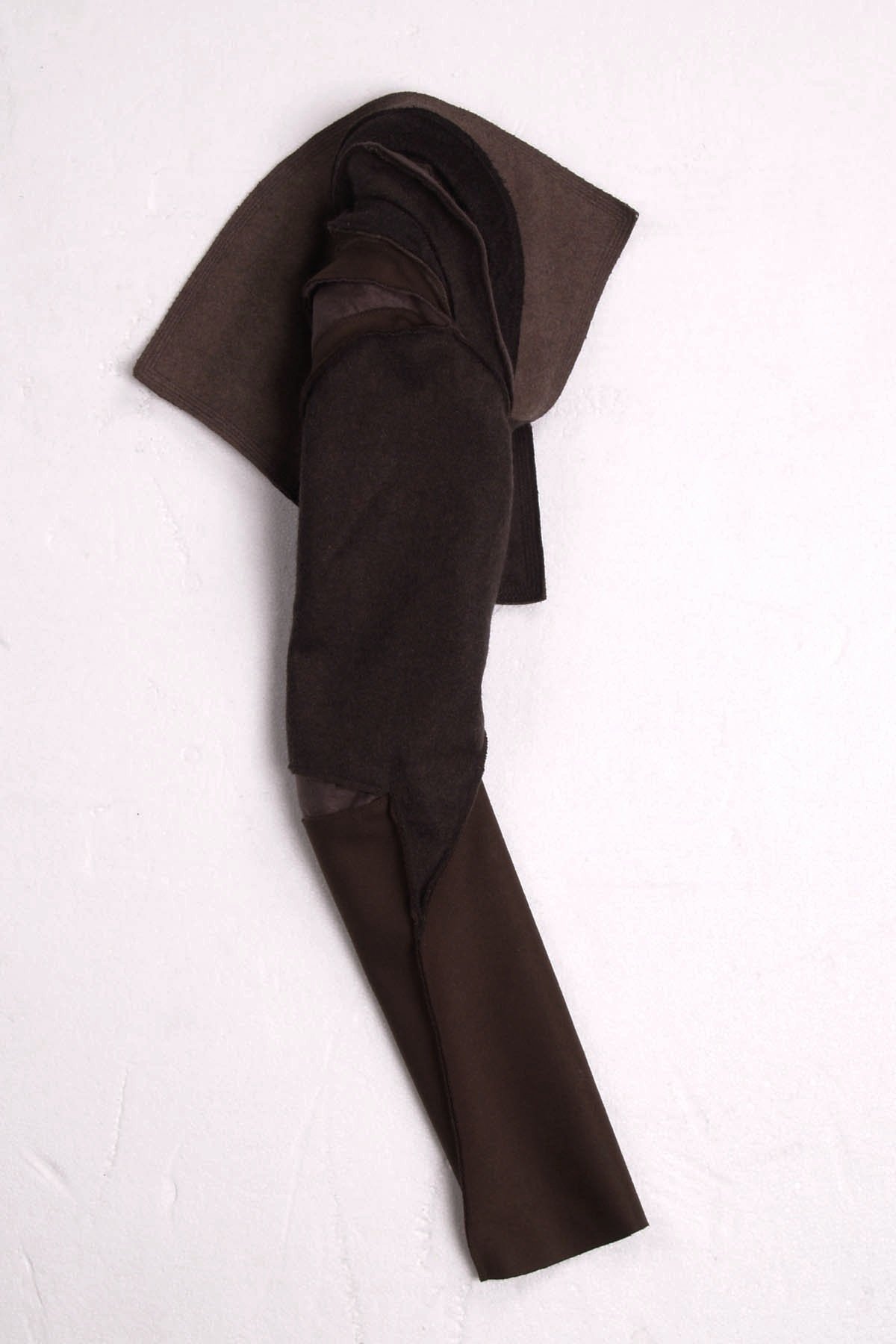
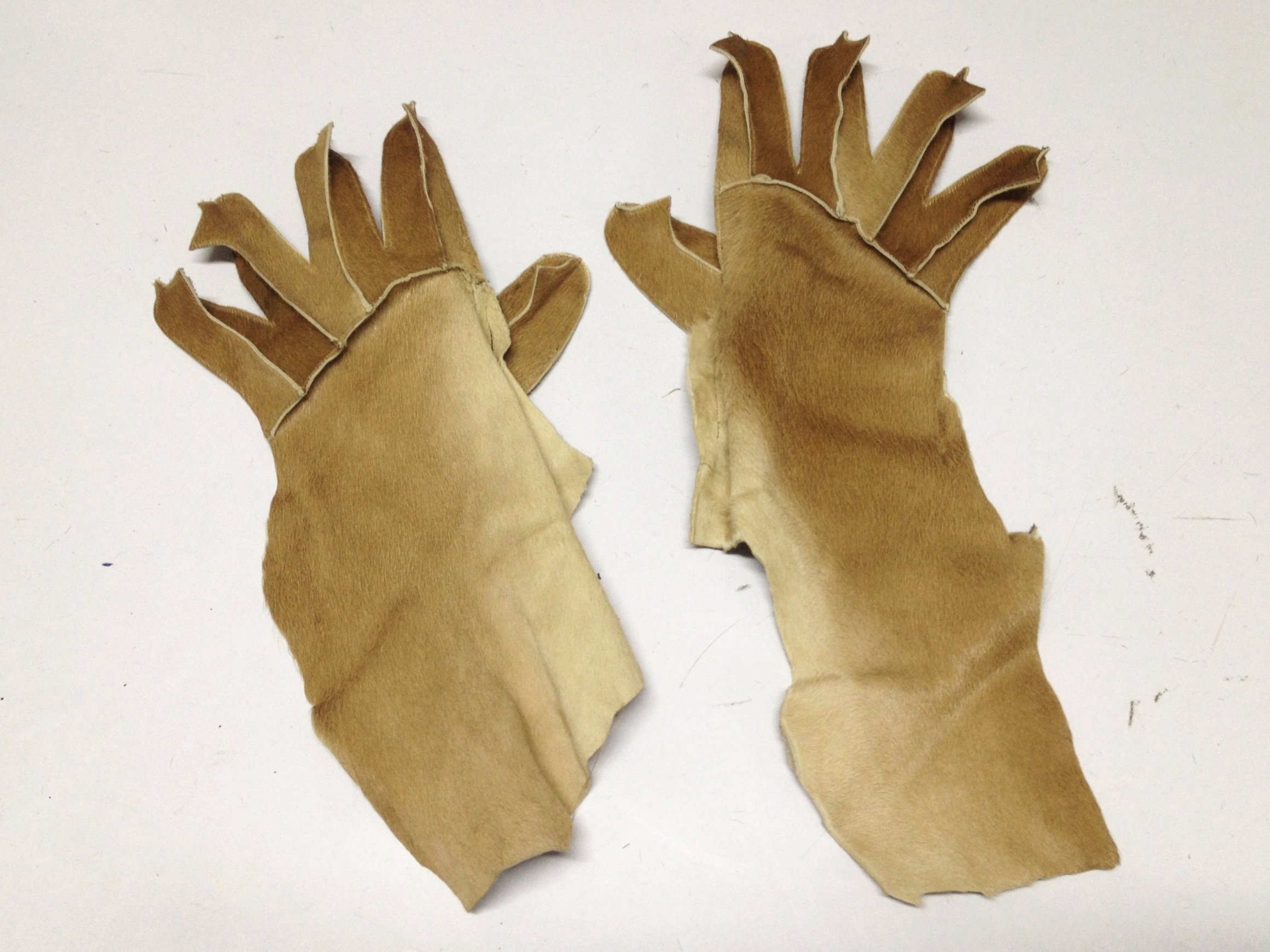
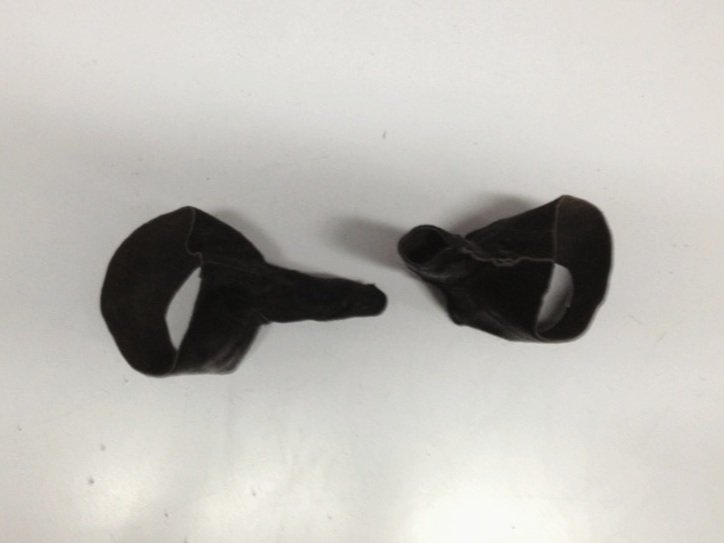
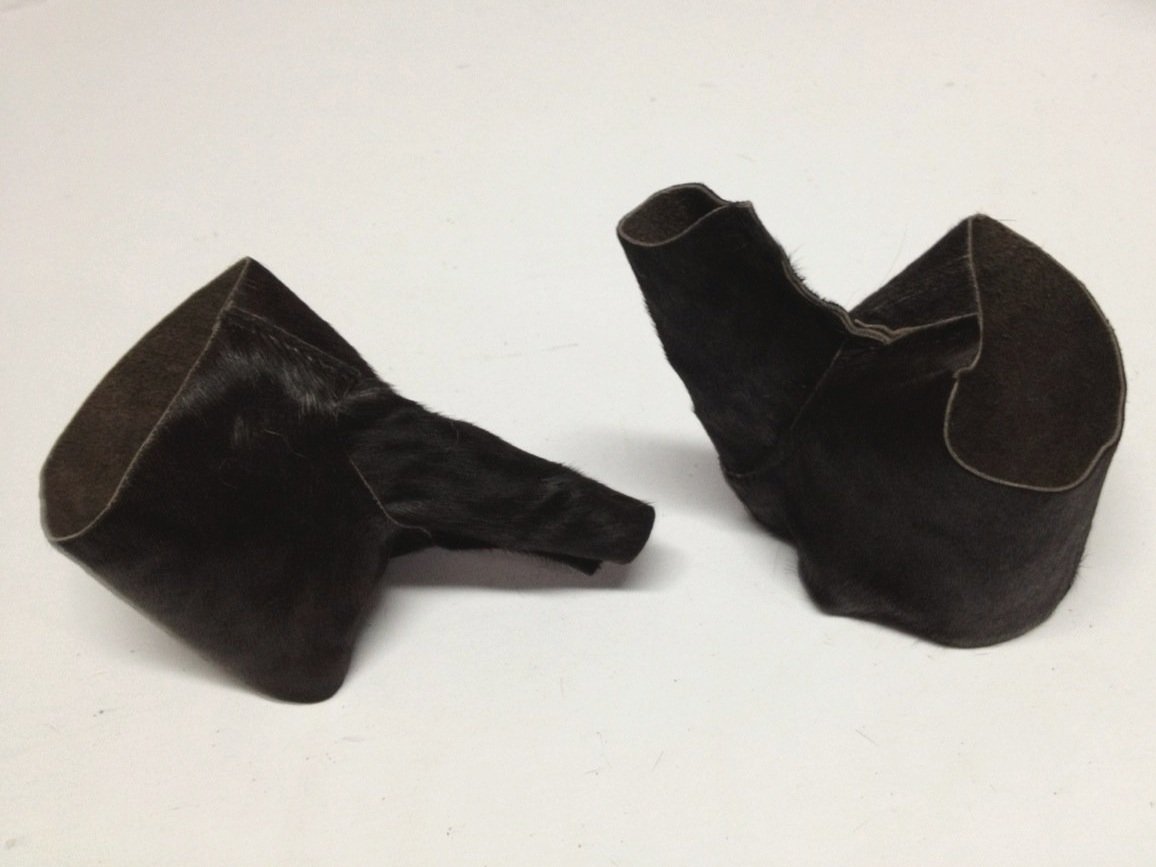
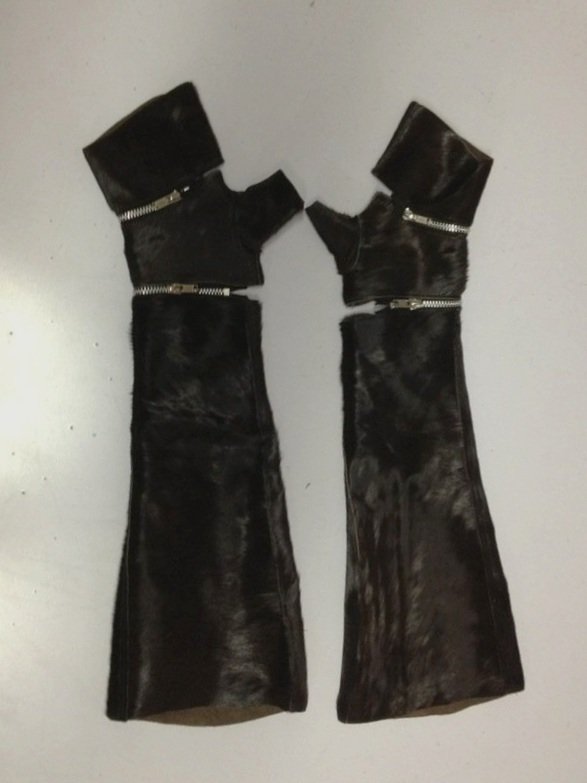
Prototyping revealed the importance of matching a material to its use. One unusually shaped pair of brown gloves was made from a skin too fragile to withstand the stretching of a moving hand. The experiment showed that an attractive surface alone could not determine a product’s construction: flexibility, strength and movement had to be considered together.
Packaging as part of the collection
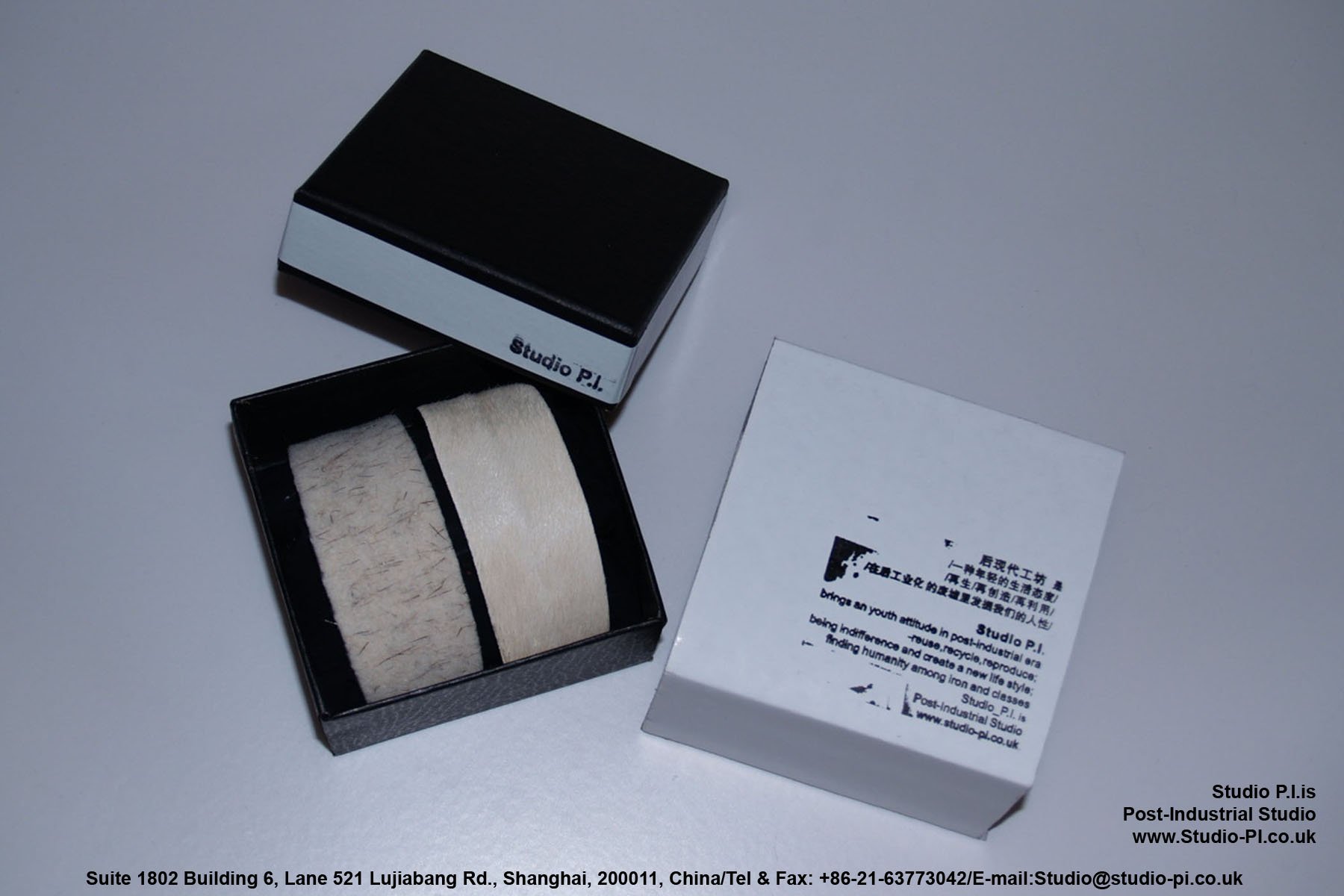
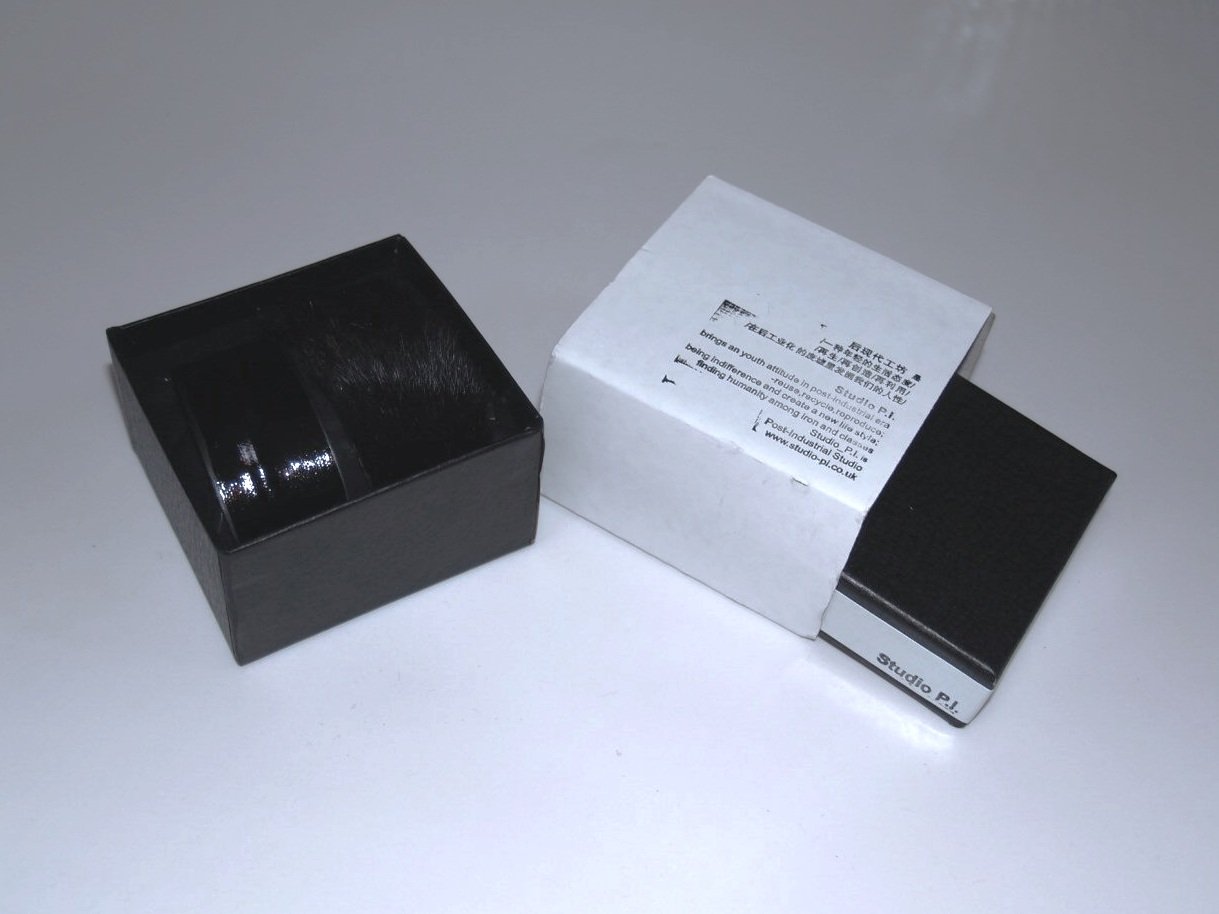
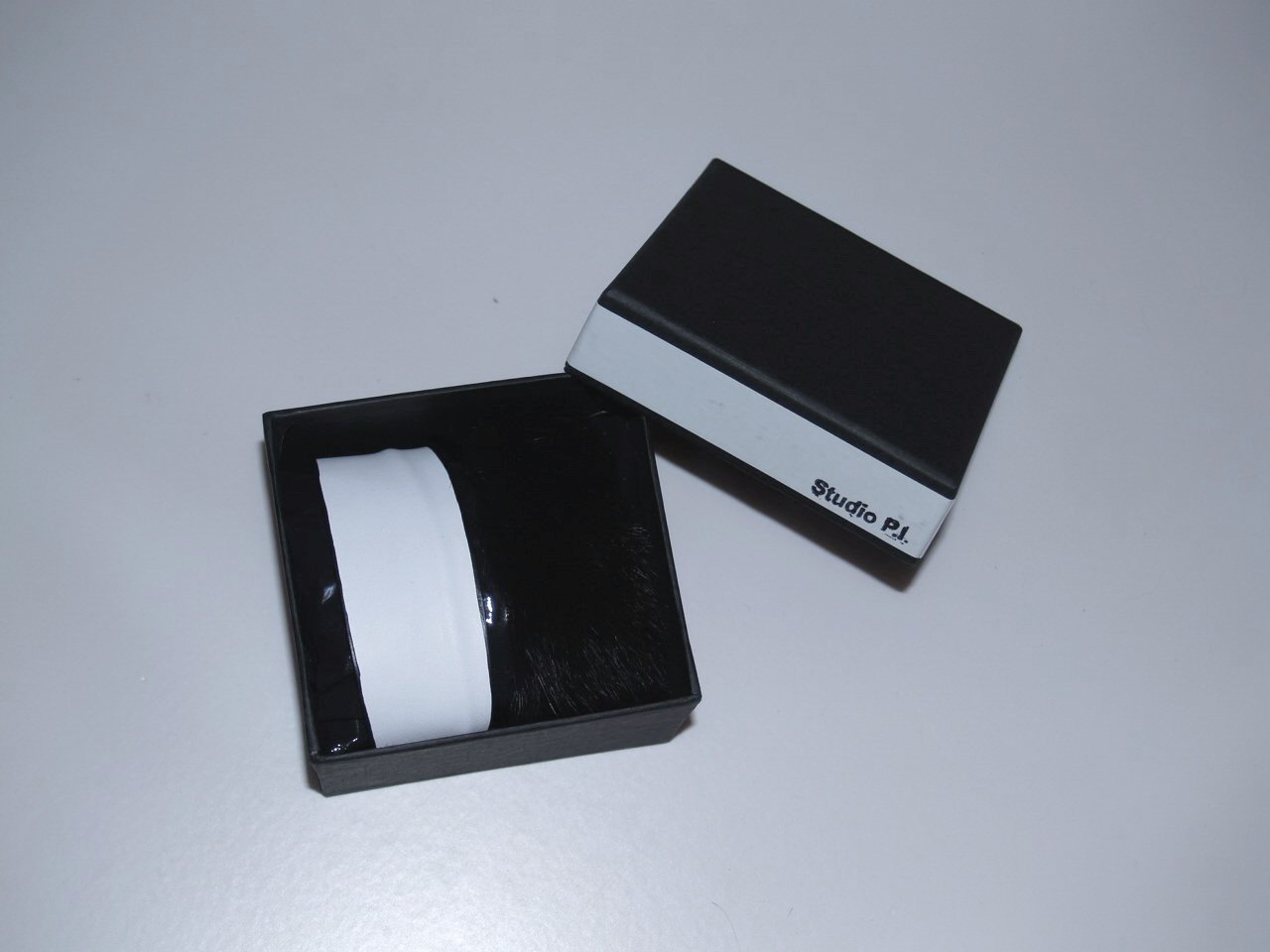
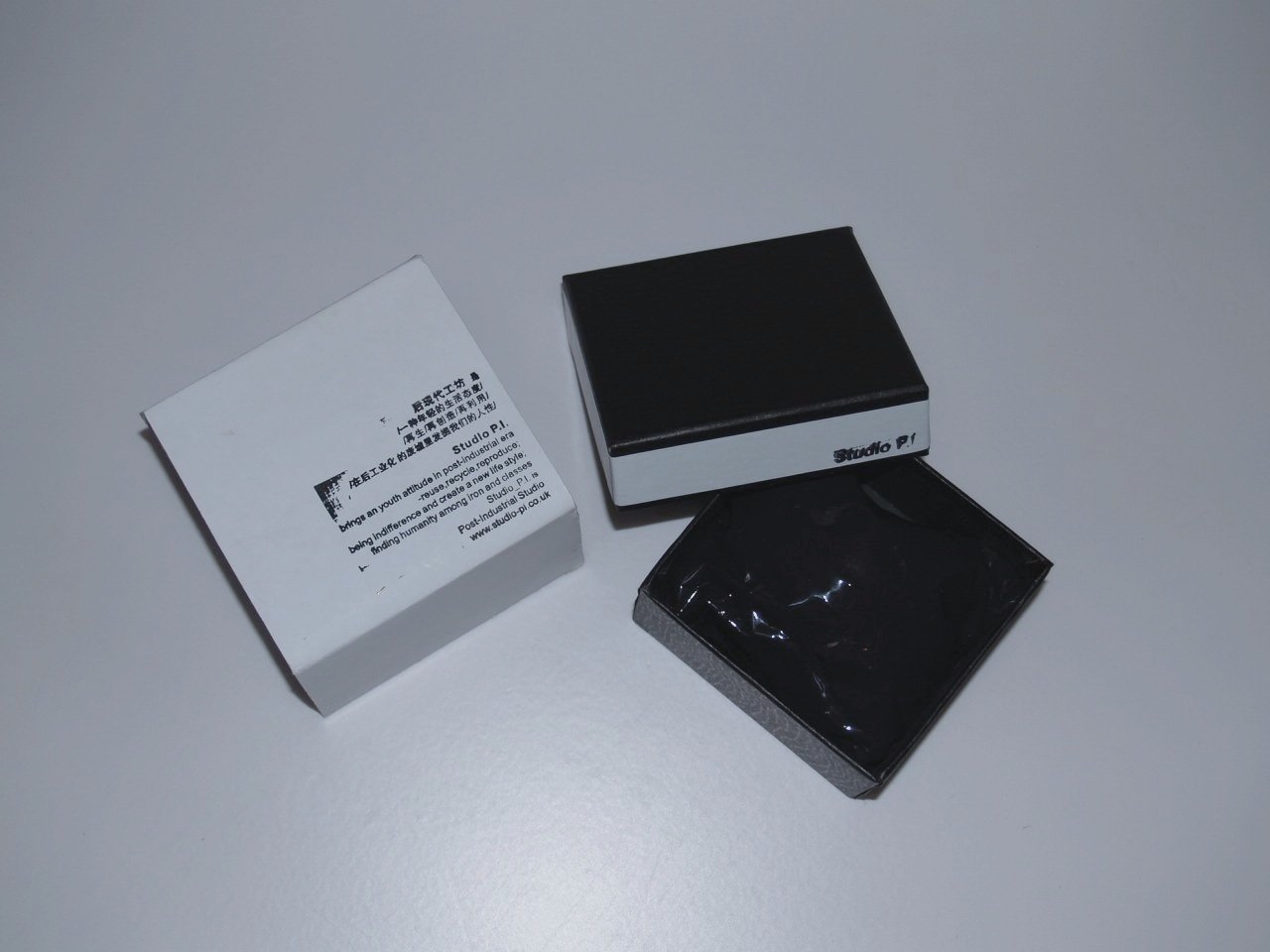
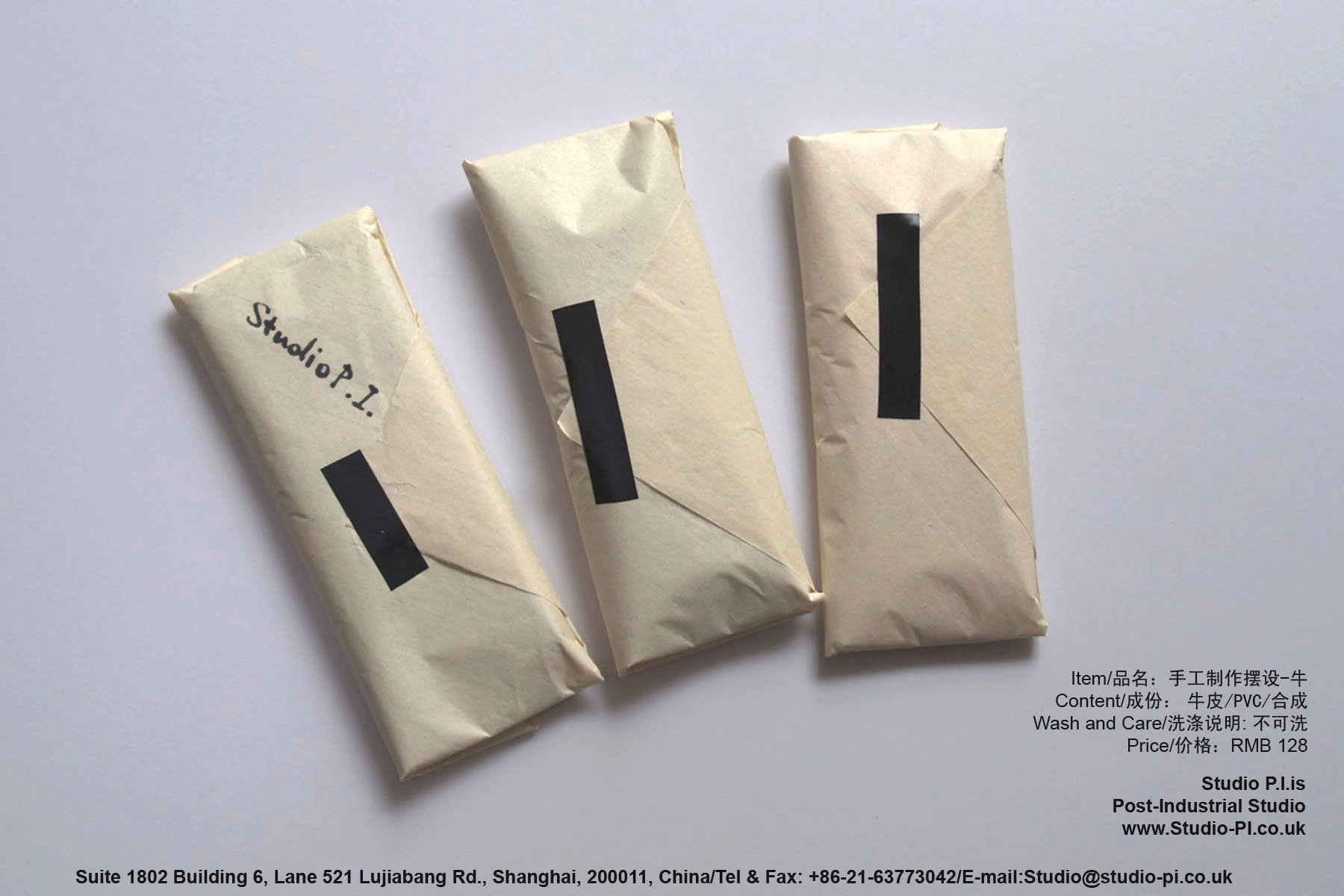
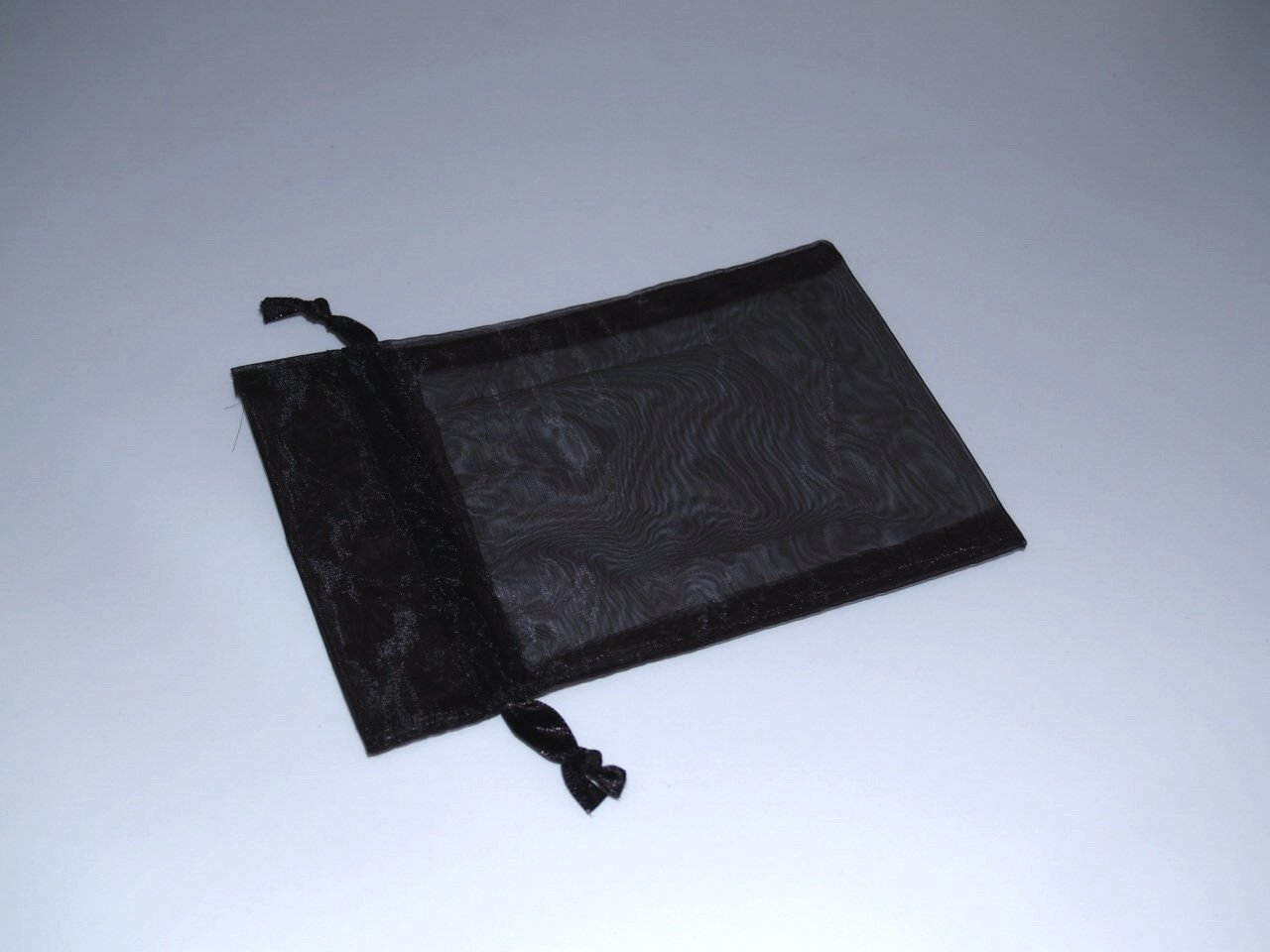
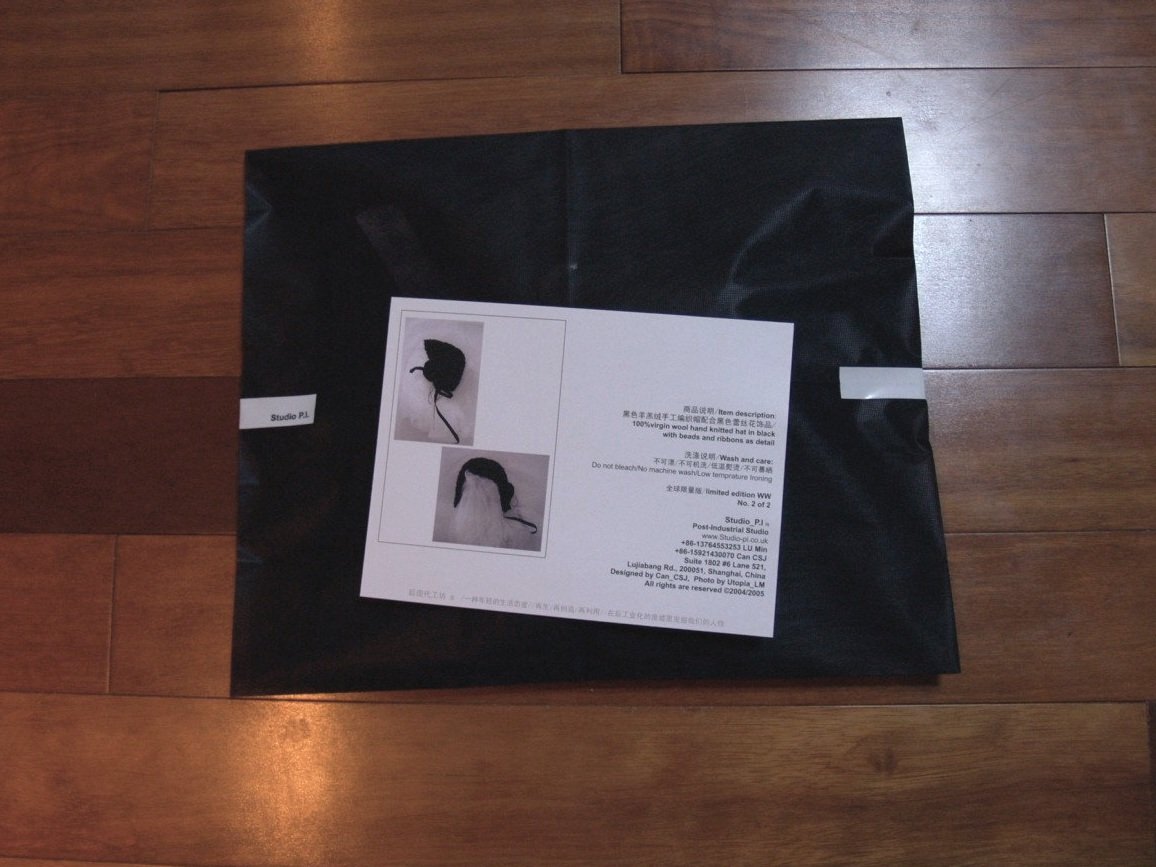
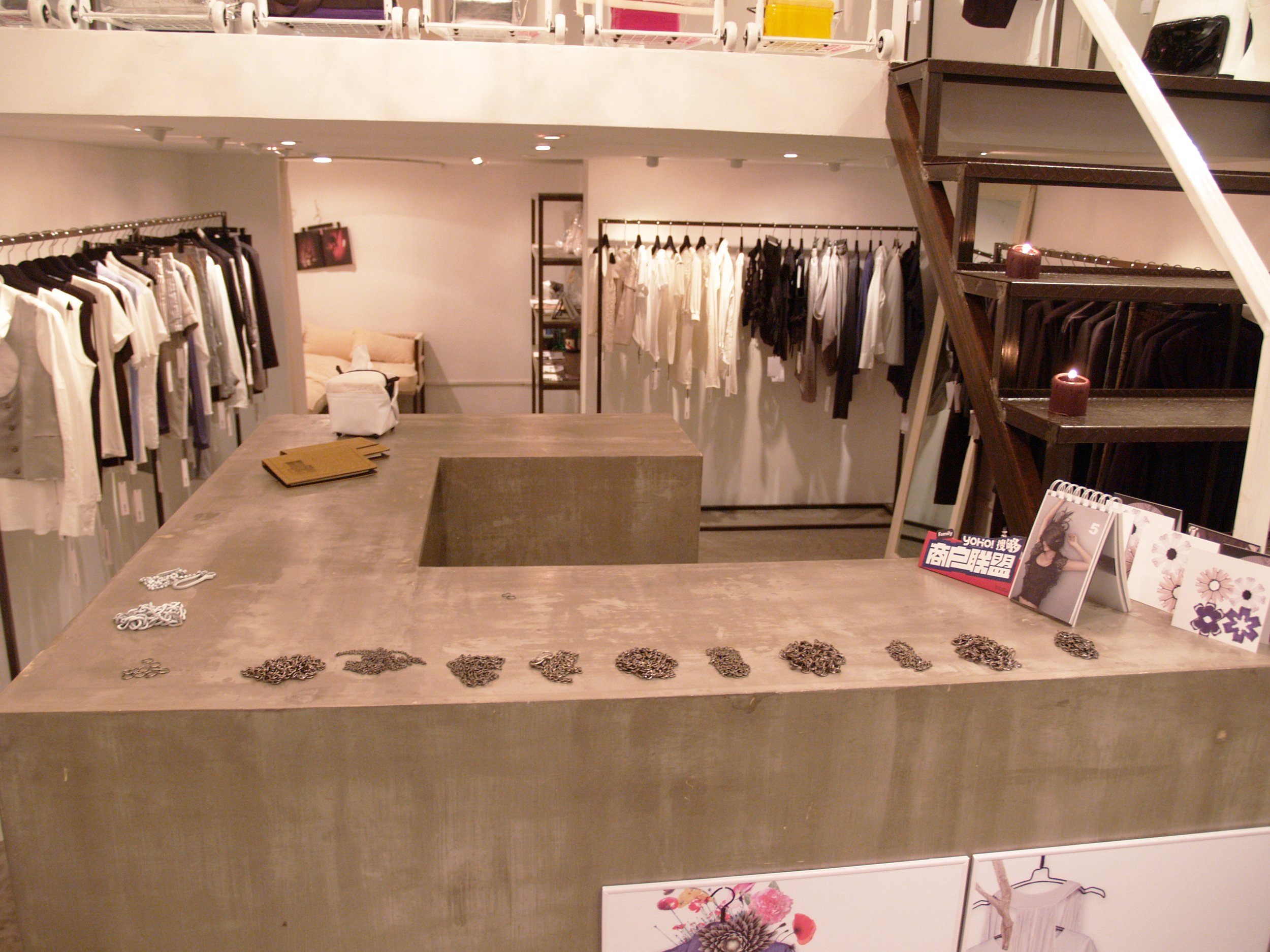
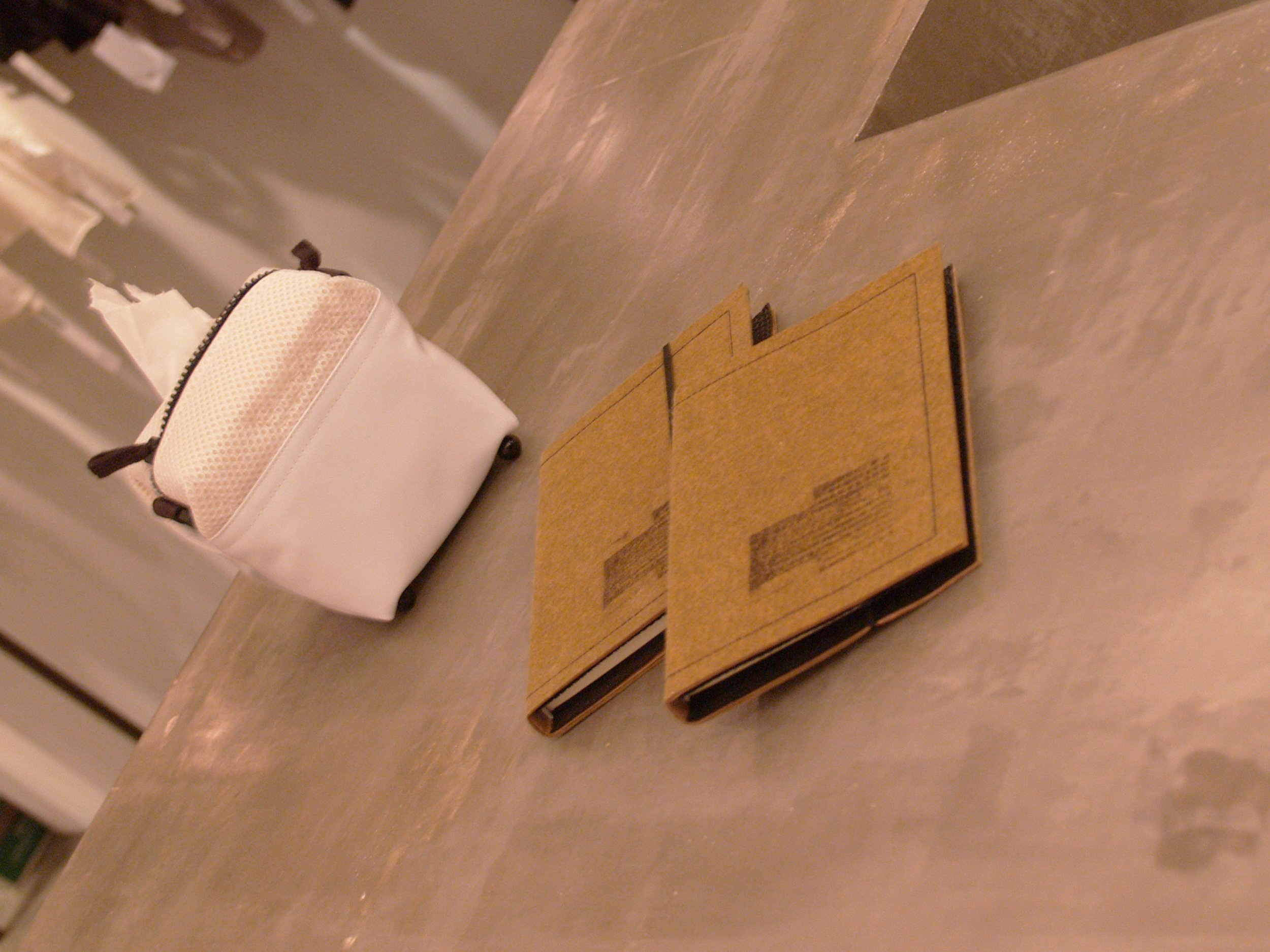
The same brand identity continued through boxes, paper displays, logos and slogans. A series of postcards was developed as gifts and campaign materials. These printed objects connected the accessories to the clothing, the shop presentation and the wider image of the brand, allowing a small product to carry the spirit of the whole collection.
鞋履與配飾:完成整個系列的造型
配飾的開發,最初來自一個實際需要:團隊很難在市場上找到能與自家服裝風格相配的物件。自行設計鞋履、袋款、帽子與小型配件,讓他們得以完成整體造型,也把系列的視覺語言延伸到更多產品。
從設計訓練走向整體造型
在法國求學期間,她曾參與皮鞋設計項目,亦製作過手袋原型。回到中國後,她協助一家舞蹈公司開發芭蕾舞鞋系列,參與原型的鞋樣製作。這些經驗,成為她日後與自家品牌團隊開發配飾的起點。
家庭中的表演藝術背景,以及她對戲劇服裝和造型的興趣,影響了她看待整套穿著的方式。配飾能改變輪廓、動作與氣氛。奢侈品牌的工作經驗亦讓她留意配飾的商業作用:服裝系列建立品牌形象,而一件配飾可以成為較容易入手的產品,支持銷售與現金流。
在工作室的製作能力之內開發
工作室擁有的設備,決定了可以製作的產品。團隊集中開發不依賴專用模具或工業機械的物件,包括縫製袋款、手套、帽子與軟質鞋履。帽款由手工藝人與裁縫協助製作;手套則使用羊毛法蘭絨與氈化羊毛。
一位曾經合作的業界供應商捐贈了氈材,讓團隊得以試驗帶有亞洲傳統形式靈感的平底鞋與室內鞋。版型、配色與手邊的剩餘材料,共同引導每一款變化。一位實習生亦參與手袋原型的設計,為工作室的開發帶來另一種思路。
從系列材料延伸出小型配件
項鏈、手鐲與其他小型配件,逐漸從服裝系列的剩餘材料中發展出來。作品檔案包括皮革、帶毛皮料、皮草與人造皮草的實驗,也使用聚酯帆布及其他紡織材料。各種表面與質感,成為每件配飾的設計元素。
團隊亦嘗試開發飛機旅行用的頸枕等物件。在配飾市場,他們收集有特色的輔料與樣品,其中包括未進入正式生產的訂單樣品,再把這些物件用於帽子與頭飾。鴨舌帽和帶有軍帽形式的設計,則把造型連接到工業化時代與工人的視覺形象。
建立小型針織工作間
工作室發展的第二年,團隊有機會以低價購入一家結業企業的橫機,因而建立針織部門。這些設備讓他們得以試驗不同紗線與組織,包括用於手臂和頸部的針織配件。部分設計亦考慮了中國南方秋冬季節的穿著需要。
理解每一種材料的性格
團隊陸續收集皮革市場的樣品,當中有不同顏色、處理方式與質感的牛皮、山羊皮及帶毛材料;金屬配件則來自輔料與配飾市場。主要服裝裁片完成後,留下的邊緣與小塊材料,又成為另一組產品的製作素材。
護照套、卡套、錢包,以及平板電腦和手機的保護套,保留了材料的自然輪廓與原始邊緣。即使屬於同一個系列,每一塊餘料的形狀,也能讓物件擁有不同的外形。團隊亦以這些材料製作實驗性的手套和手部配件。
原型製作讓他們更清楚理解材料與用途之間的關係。其中一雙造型特別的棕色手套,所用皮料過於脆弱,無法承受手部活動帶來的拉伸。這次實驗提醒他們,產品的結構需要同時考慮柔韌度、強度與動作,不能只依據表面的視覺效果作決定。
讓包裝延續系列識別
相同的品牌識別亦延伸到盒子、紙製展示、標誌與口號。團隊製作了一系列明信片,作為禮物與宣傳材料。這些印刷物把配飾、服裝、店舖陳列與整體品牌形象連接起來,讓一件小型產品也能承載整個系列的精神。