
Ideological Absolutism and the Paradox of Freedom: How Universalist Systems Destroy Genuine Liberty
This essay examines how both communist universalism and democratic evangelism function as forms of ideological absolutism that paradoxically destroy the freedom they claim to promote. Drawing on philosophical analysis from Berlin, Popper, Mill, and Arendt, alongside historical evidence and contemporary case studies, it demonstrates that genuine freedom requires ideological pluralism rather than universal conformity. The analysis reveals that organic social evolution consistently outperforms imposed ideological frameworks, while hybrid systems achieve superior outcomes compared to pure implementations. The essay concludes that the path to human flourishing lies not in ideological triumph but in maintaining permanent contestation of ideas.
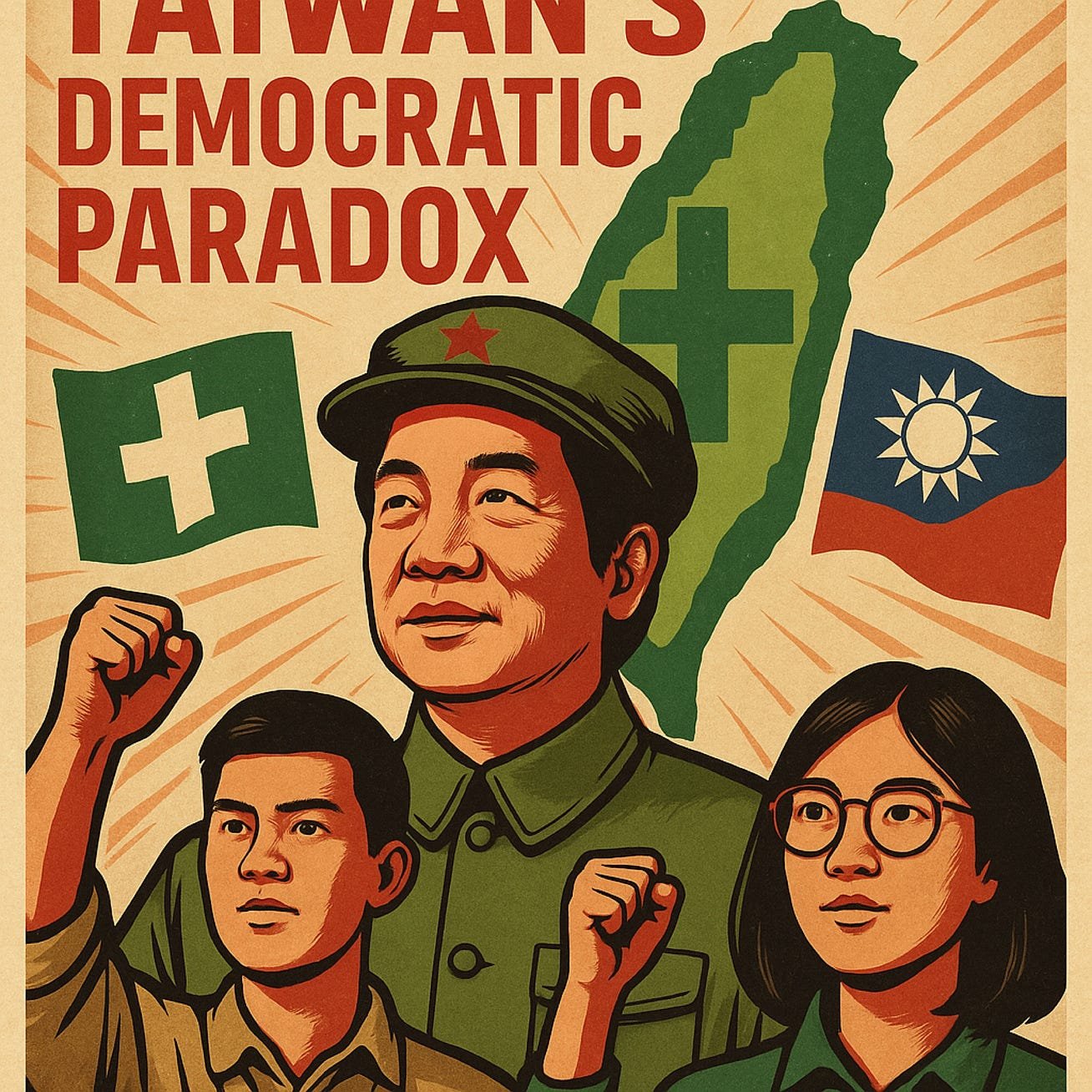
Taiwan’s Democratic Paradox: How Democratic Tools Became Weapons Against Democracy
Taiwan's experience serves as both warning and opportunity - warning about the sophisticated ways democracy can be undermined from within, and opportunity to develop more robust defensive mechanisms before democratic institutions are irreversibly compromised. The stakes could not be higher: democracy's survival may depend on recognizing and countering its own potential for self-destruction.